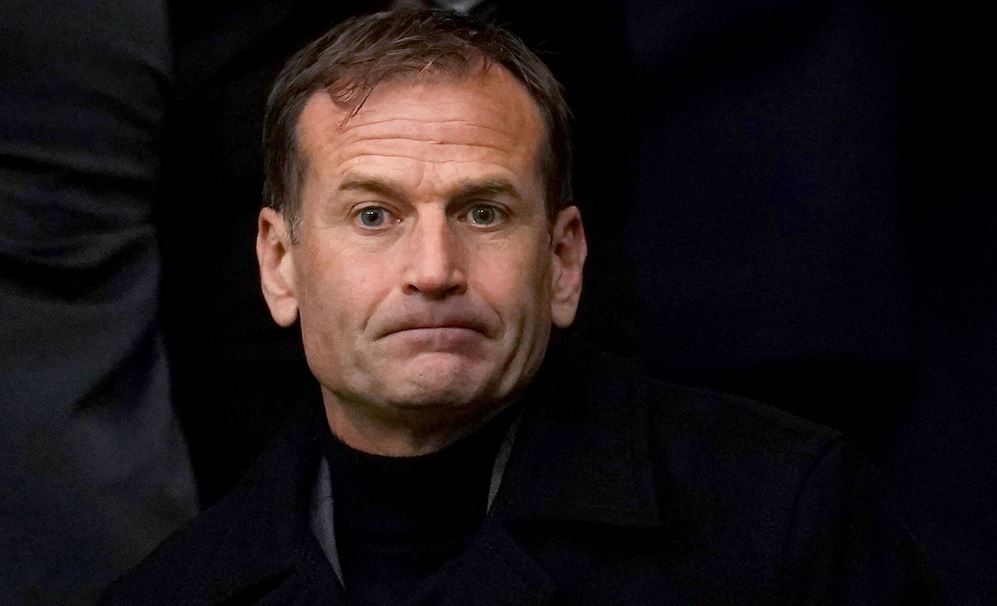
The sudden departure of Dan Ashworth from his position as Sporting Director of Manchester United after a mere five months has sent ripples through the football world. Appointed on July 1, 2024, Ashworth was tasked with revitalizing the club’s sporting structure and overseeing player recruitment. His brief tenure saw him preside over a significant summer transfer spend exceeding £200 million, but ultimately ended with his exit following a disappointing home defeat to Nottingham Forest, leaving the club in 13th place in the Premier League. The club’s official statement attributed the departure to a mutual agreement and thanked Ashworth for his contributions during a “transitional period.” The brevity of his stay and the lack of detailed explanation surrounding his exit have fueled speculation about potential internal disagreements and the pressure of immediate results in the high-stakes environment of Manchester United.
Ashworth’s arrival at Old Trafford was met with considerable fanfare. Lauded by Jim Ratcliffe, a minority owner of the club, as one of the world’s leading sporting directors, Ashworth brought a wealth of experience from his previous role at Newcastle. His expertise was expected to be instrumental in reshaping Manchester United’s transfer strategy and fostering a more cohesive and successful footballing philosophy. Along with Chief Executive Omar Berrada, Ashworth played a crucial role in securing Ruben Amorim as the new manager, replacing Erik ten Hag after a string of poor results left the team languishing in the lower reaches of the league table. This appointment signaled a clear intention to shift the club’s direction and build a foundation for long-term success.
The transition under Amorim, however, has been far from seamless. While the Portuguese manager has shown glimpses of promise, his early results have been inconsistent, with two wins, two losses, and a draw leaving Manchester United in a precarious position in the league standings. The pressure to deliver immediate improvements at a club accustomed to challenging for titles is immense, and the instability surrounding the sporting director role may have further complicated Amorim’s efforts to implement his vision. The timing of Ashworth’s departure, coming so soon after a disheartening loss, suggests that the club’s hierarchy may have felt a change was necessary to arrest the slide and inject fresh impetus into the team’s performance.
The swift turnover in the sporting director position raises questions about the long-term strategy at Manchester United. Ashworth’s appointment was seen as a key step towards establishing a more sustainable and data-driven approach to player recruitment and squad development. His departure, coupled with the managerial change earlier in the season, suggests a degree of uncertainty and perhaps a lack of patience within the club’s leadership. The significant investment in the summer transfer window further complicates the situation, as the new sporting director will inherit a squad assembled under a different regime and philosophy.
The search for Ashworth’s replacement will be a critical undertaking for Manchester United. The club must identify a candidate who not only possesses the requisite experience and expertise but also aligns with the long-term vision for the team. The new sporting director will face the challenge of integrating the recent signings into a cohesive unit and working closely with Amorim to develop a playing style that can deliver consistent results. The pressure to succeed will be immense, given the club’s history and the expectations of its global fanbase.
The circumstances surrounding Ashworth’s departure remain somewhat opaque. The official statement citing “mutual agreement” offers little insight into the specific reasons behind his exit. Whether it was a clash of philosophies, a difference in vision for the club’s future, or simply the pressure of delivering immediate results in a demanding environment, the departure of a highly regarded sporting director after just five months raises concerns about stability and long-term planning at Manchester United. The club now faces the daunting task of finding a suitable replacement who can navigate the current challenges and build a foundation for sustained success.