A Nation’s Hope Renewed: Mahama’s Victory and the Promise of Transformation
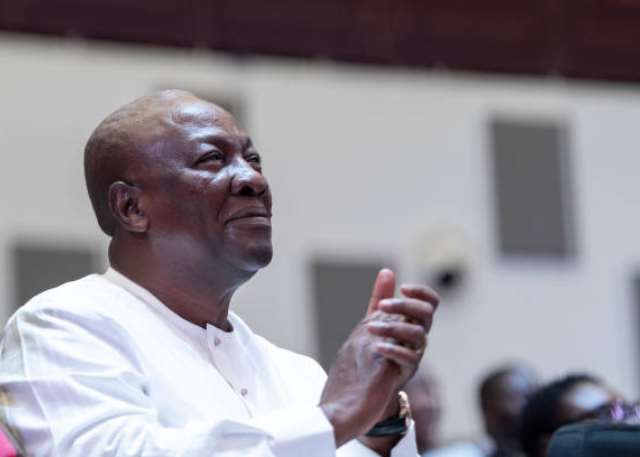
The air in Ghana is thick with anticipation and optimism as former President John Dramani Mahama prepares to reclaim the presidency. His projected victory has ignited a spark of hope not just within the ranks of the National Democratic Congress (NDC), but across the political spectrum, resonating with citizens yearning for change and a renewed sense of direction. This sentiment of hope transcends partisan divides, finding voice even amongst staunch supporters of the outgoing New Patriotic Party (NPP), a testament to the widespread desire for a more inclusive and prosperous future for Ghana. Heward Prempeh, a prominent NPP member from the Manhyia South constituency, embodies this surprising yet significant shift in political perspective. His public endorsement of Mahama’s leadership speaks volumes about the overarching desire for a leader capable of uniting the nation and steering it towards a path of stability and progress.
Prempeh’s endorsement is not merely a polite acknowledgement of the electoral outcome; it is a resounding affirmation of Mahama’s perceived qualities as a statesman. He describes Mahama’s leadership as being synonymous with "freedom, peace, and prosperity," values that resonate deeply within the Ghanaian psyche. This characterization, coming from a member of the opposing party, underscores the belief that Mahama possesses the necessary attributes to heal the nation’s divisions and foster an environment conducive to growth and development. Prempeh’s praise of Mahama as a "sober and responsible leader who prioritizes the welfare of Ghanaians" paints a picture of a leader attuned to the needs of the people, a stark contrast to the perceived disconnect between the outgoing administration and the citizenry. This sentiment echoes a growing national sentiment that transcends party lines, suggesting a widespread yearning for a leadership style that prioritizes the collective good over partisan interests.
Prempeh’s perspective offers a critical analysis of the current political landscape. He contrasts Mahama’s previous tenure, which he credits with implementing policies that positively impacted Ghana’s socio-economic landscape, with the perceived shortcomings of the Akufo-Addo administration. He argues that despite facing challenges, Mahama’s policies were generally beneficial to the nation. This assessment, coming from an NPP supporter, carries considerable weight and highlights a growing disillusionment with the current government’s performance. Prempeh suggests that the Akufo-Addo administration, despite initial promises of prosperity and transformation, failed to deliver on its commitments, leaving many Ghanaians feeling disenfranchised and economically marginalized. This perceived disconnect between the government and the governed has created a fertile ground for the resurgence of hope in Mahama’s leadership, seen by many as a potential antidote to the prevailing economic hardships and political polarization.
The anticipation surrounding Mahama’s return to power is fueled by the expectation of economic rejuvenation. Prempeh, echoing the sentiments of many Ghanaians, expresses hope that Mahama’s administration will alleviate the economic burdens faced by ordinary citizens. He sees Mahama’s leadership as a beacon of hope, a chance to restore faith in Ghana’s economic prospects and pave the way for a more equitable distribution of resources. This optimism stems from a belief that Mahama possesses the experience and vision to implement policies that will stimulate economic growth, create jobs, and improve the living standards of all Ghanaians. Prempeh’s declaration that his "prayers have been answered" reflects a deep-seated desire for a leadership transformation that can revitalize the nation’s economy and restore a sense of shared prosperity.
Beyond economic revival, Prempeh’s call for national unity underscores the importance of collective action in rebuilding the nation. He urges all Ghanaians, irrespective of their political affiliations, to rally behind Mahama and support his efforts to reform the country. This appeal for unity transcends partisan politics and emphasizes the need for a collective commitment to national development. Prempeh’s advocacy for "untainted policies" suggests a desire for transparent and accountable governance, free from the perceived corruption and mismanagement that has plagued previous administrations. He believes that by working together, Ghanaians can create a more just and equitable society, where the benefits of economic growth are shared by all.
As Ghana stands on the cusp of a new era under Mahama’s leadership, the prevailing sentiment is one of cautious optimism. The nation is poised for a period of transformation, with the hope that Mahama’s administration will usher in an era of renewed prosperity, social harmony, and good governance. The widespread support for Mahama, even from unexpected quarters, reflects a deep-seated desire for change and a belief in his ability to deliver on his promises. The coming years will be a crucial test of Mahama’s leadership and his ability to unite the nation and steer it towards a brighter future. The hope is that his second term will be marked by inclusive policies, economic growth, and a renewed sense of national unity, fulfilling the aspirations of all Ghanaians and solidifying his legacy as a transformative leader.