









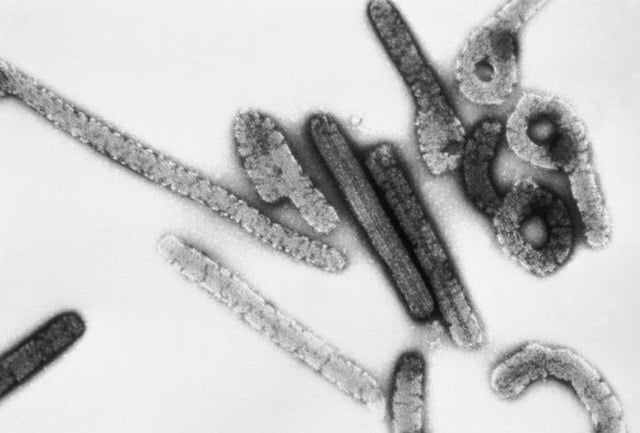
The Marburg virus, a close relative of the Ebola virus and a member of the Filoviridae family, poses a significant threat to human health with a high mortality rate. First identified in 1967 during simultaneous outbreaks in Marburg, Germany, and Belgrade, Serbia (then Yugoslavia), the virus was linked to green monkeys imported from Uganda. Outbreaks have since occurred in several African countries, including Angola, the Democratic Republic of Congo, Kenya, South Africa, and Uganda. The virus causes a severe hemorrhagic fever, often leading to death, with case fatality rates ranging from 50% to as high as 88% during some outbreaks.
A recent outbreak in Rwanda, first detected in late September 2024, has raised international concern. As of October 17, 2024, 62 cases and 15 deaths (a case fatality rate of 24.2%) have been reported, primarily concentrated in three districts within Kigali, the capital city. The outbreak predominantly affects healthcare workers, highlighting the risks associated with caring for infected individuals and the importance of stringent infection control measures. The spread of the virus, similar to Ebola, occurs through direct contact with bodily fluids or contaminated surfaces. The lack of effective vaccines and limited medical infrastructure in affected regions contribute to the severity of the outbreak.
The World Health Organization (WHO) has designated the Rwanda Marburg outbreak as a high-risk emergency at the regional level. The organization is collaborating with Rwandan health authorities to bolster surveillance and detection efforts, improve isolation procedures, facilitate clinical trials for potential treatments, and provide essential protective equipment. Neighboring countries are on high alert, and the East African Community (EAC) is advocating for increased regional cooperation in pandemic preparedness and laboratory support to effectively counter the Marburg virus disease (MVD) and other infectious disease threats. This coordinated regional approach is crucial for preventing the further spread of the virus across borders.
Marburg virus disease manifests with a range of symptoms, including fever, severe headache, fatigue, gastrointestinal issues, and bleeding. The incubation period, the time between exposure and the onset of symptoms, varies from 2 to 21 days. Human-to-human transmission commonly occurs through close contact with infected individuals, particularly among caregivers, or via contact with contaminated medical equipment. The fever can be accompanied by muscle pain and can progress to severe internal and external bleeding, a hallmark of hemorrhagic fevers. The severity of symptoms and the rapid progression of the disease contribute to the high mortality rate.
While the precise origin of the Marburg virus remains unknown according to the Centers for Disease Control and Prevention (CDC), efforts to contain the current outbreak are focused on isolating infected individuals to prevent further transmission. In Rwanda, cases have been reported across several districts, including Gastisibo and Nyagatare in the Eastern Province, Gasabo, Kicukiro, and Nyarugenge in Kigali City, Rubavu in the Western Province, and Huye and Kamonyi in the Southern Province. This geographical distribution necessitates a comprehensive and coordinated response across the affected areas.
Currently, there are no approved antiviral treatments or vaccines specifically for MVD. However, supportive care, including hydration, blood transfusions, and management of specific symptoms, can improve the chances of survival. Research and development efforts are underway to develop effective vaccines and antiviral therapies, with medical experts emphasizing the critical need for a vaccine to prevent future outbreaks of this deadly virus. The development of effective countermeasures is crucial for mitigating the impact of future outbreaks and protecting vulnerable populations. While a cure remains elusive, ongoing research offers hope for the development of effective treatments and preventive measures. The information provided in this summary draws on expertise and contributions from academic researchers in the field of political science and international relations, highlighting the multidisciplinary nature of addressing global health challenges.









