The Media Foundation for West Africa (MFWA) has raised significant concerns regarding the Electoral Commission’s (EC) recent decision to restrict media access to collation centres during the upcoming 2024 elections. The EC’s directive limits the number of accredited media organizations at constituency and regional collation centres, assigning a total of eight media houses at each constituency and twelve at each regional centre. This allocation includes a specific number of personnel per media type, such as three television stations with two representatives each and five radio stations with one representative each at the constituency level. The MFWA argues that this limitation could impede transparency and accountability during the election process, emphasizing that a democratic electoral system should provide broader access to the media.
Dr. Bossman Asare, the Deputy Chairperson of the EC, defended the decision by asserting that it aims to create a more organized and manageable environment during the collation exercise. He justified the restricted numbers by suggesting that limiting access is essential for an efficient and smooth collation process. According to his reasoning, eight media organizations at the constituency level and twelve at the regional level are deemed appropriate to maintain order and facilitate the workings of the commission during the crucial voting and counting phases. This rationale, however, has not resonated with the MFWA, which contends that real transparency comes from increased media engagement rather than restrictive measures.
The MFWA has articulated that such regulations could substantially impact the media’s ability to effectively report on the electoral process and hold the EC accountable for its actions. By limiting access, the foundation believes that the EC is undermining the essential watchdog role of the media during elections, which is crucial for ensuring a credible and transparent electoral process. The MFWA has therefore urged the EC to reconsider its position and expand media access to collation centres, arguing that greater transparency and public trust in the electoral system can be achieved through enhanced media coverage.
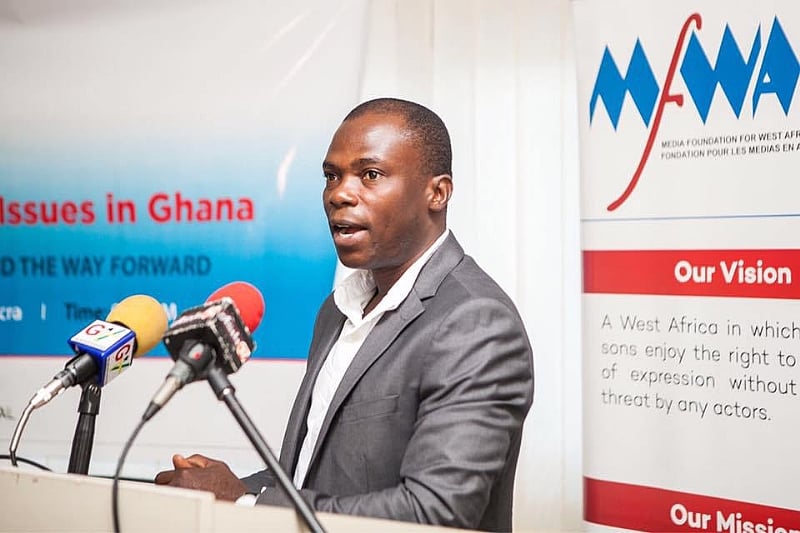
Sulemana Braimah, Executive Director of the MFWA, expressed his disbelief at the EC’s directive while speaking on Channel One TV, indicating a deep concern over the narrow focus of the communications strategy. He questioned the exclusion of other important media formats, pointing out that the EC’s emphasis on radio and television neglects the significant role of newspapers and online publications. Braimah’s criticisms highlight the need for a more inclusive approach to media coverage that encompasses a variety of platforms, thus fostering a comprehensive understanding of the electoral processes for the public.
Furthermore, the MFWA’s stance underscores the broader implications of restricted media access during elections. Limiting media presence not only affects the reporting of the current electoral cycle but also risks perpetuating a culture of opacity that may discourage voter confidence in future elections. The foundation’s call for the EC to allow greater media representation stems from an understanding that transparency is foundational to democratic governance. By ensuring diverse and more extensive media access, the EC can better support the public’s right to information and foster an electoral environment that is both open and accountable.
In conclusion, the MFWA has issued a strong appeal for the reconsideration of the EC’s media access limits, arguing that these restrictions could severely undermine the integrity and transparency of the 2024 elections. The discourse surrounding media access is pivotal not only for the current electoral landscape but also for the health of democratic processes in West Africa. As stakeholders advocate for broader media inclusion, it remains critical for the EC to evaluate its policies and strive towards a more open electoral system that values the indispensable role of all media forms in delivering accurate and comprehensive electoral coverage.