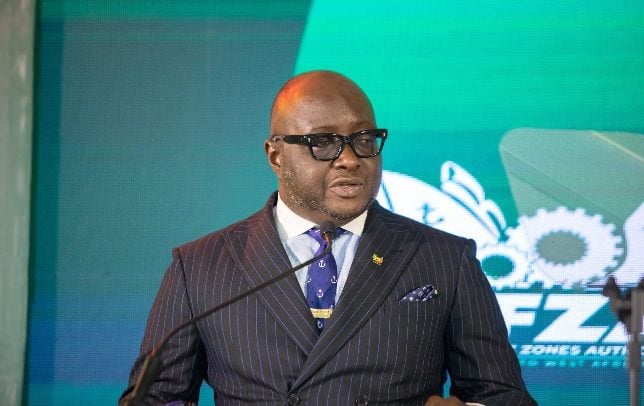
The parliamentary election in Ghana’s Dome-Kwabenya constituency has become a focal point of contention, highlighting the critical importance of transparency and inclusivity in electoral processes. Mike Oquaye Junior, the New Patriotic Party’s (NPP) candidate, has publicly stated his willingness to accept the election outcome, provided the collation process adheres to principles of transparency. This declaration comes amidst allegations that the Electoral Commission (EC) initially collated results without the full participation of all stakeholders, raising concerns about the fairness and integrity of the process. Oquaye’s emphasis on transparency underscores a fundamental tenet of democratic elections: the need for open and verifiable procedures to ensure public trust and acceptance of the results.
The controversy surrounding the Dome-Kwabenya election began shortly after the December 7 polls. The EC initially declared the National Democratic Congress (NDC) candidate, Elikplim Akurugu, the winner. However, this declaration was later rescinded, sparking disputes and legal challenges. The ensuing controversy prompted an Accra High Court to order a re-collation of the results for Dome-Kwabenya and eight other constituencies where similar disputes had arisen. The court’s intervention highlights the role of the judiciary in ensuring electoral integrity and resolving disputes through legal mechanisms.
The re-collation process for seven of the nine constituencies proceeded, and the NPP was declared victorious in those areas. However, the situation in Dome-Kwabenya and Ablekuma North remains unresolved. This is due to a pending Supreme Court ruling on a challenge brought by the NDC regarding the re-collation exercise. The NDC’s challenge further complicates the situation and underscores the legal complexities surrounding the electoral process. The Supreme Court’s eventual decision will have significant implications for the final outcome in these two constituencies and, more broadly, for the interpretation and application of electoral laws.
Oquaye’s insistence on transparency reflects a broader concern about the potential for electoral irregularities to undermine public confidence in the democratic process. His statement suggests that the lack of stakeholder involvement in the initial collation process raises questions about its validity and fairness. This underscores the importance of inclusive participation in every stage of the electoral process, from voter registration and voting to the collation and declaration of results. Inclusive participation ensures that all stakeholders have a voice and can contribute to the integrity of the process, thereby enhancing public trust and acceptance of the outcome.
The ongoing dispute in Dome-Kwabenya and the legal challenges surrounding the re-collation process highlight the vulnerability of electoral systems to disputes and manipulations. These events underscore the need for robust legal frameworks and institutions to address electoral controversies and ensure that the final outcome reflects the will of the people. The involvement of the High Court and the Supreme Court demonstrates the crucial role of the judiciary in safeguarding electoral integrity and resolving disputes through established legal channels.
The Dome-Kwabenya case serves as a reminder of the fragility of democratic processes and the constant vigilance required to ensure free, fair, and transparent elections. The emphasis on transparency by Oquaye and the legal challenges surrounding the re-collation process highlight the need for continuous improvements in electoral procedures and the strengthening of institutions responsible for overseeing elections. Ultimately, the goal is to build a system that fosters trust, promotes inclusivity, and ensures that the outcome of elections accurately reflects the will of the electorate. This case study underscores the need for ongoing dialogue and reform to enhance electoral integrity and strengthen democratic governance in Ghana and beyond.