









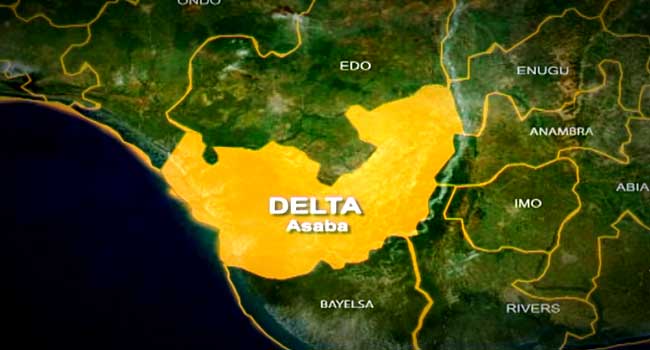
The quiet death of two community leaders, Pa James Oghoroko and Dennis Okugbaye, while in the custody of the Nigerian Army has cast a long shadow over the Okuama community in Delta State. The incident, which transpired following a military operation in August 2024, has ignited outrage and grief among the community members, who accuse the army of human rights violations and demand answers regarding the circumstances surrounding the deaths. The silence from the army, despite repeated attempts to obtain an official statement, has only amplified the anguish and suspicion within the community, further deepening the rift between the military and the civilians they are supposed to protect.
The backdrop against which this tragic event unfolded is a simmering land dispute between Okuama and its neighbouring community, Okoloba. Months prior to the detention and subsequent deaths of the community leaders, a devastating incident occurred in March 2024 where 17 soldiers, deployed on a peace mission to quell the inter-communal conflict, were killed. This incident likely influenced the military’s subsequent actions in Okuama, potentially leading to a more aggressive approach in their dealings with the community. The detention of Oghoroko, Okugbaye, and four other community members appears to be directly linked to the March incident, suggesting a possible reprisal or an attempt to gather intelligence related to the soldiers’ deaths.
The community’s reaction to the deaths of their leaders has been one of profound shock and anger. The seven-day ultimatum issued by the youth and women of Okuama underscores the depth of their grief and their demand for justice. The ultimatum specifically calls for the release of the remaining detainees and the return of Pa Oghoroko’s body, highlighting the community’s distrust of the military and their fear that the truth surrounding these deaths might be suppressed. The silence from the army only fuels these anxieties, creating a volatile atmosphere rife with speculation and the potential for further escalation.
The Nigerian Army’s reticence to address the situation raises serious concerns about transparency and accountability. The deflection of inquiries from the Director of Defence Media Operations to the Army Headquarters, followed by the unresponsiveness of the Director of Army Public Relations, creates an impression of evasion and a lack of willingness to engage with the community’s concerns. This silence undermines public trust in the military and fuels the perception of impunity, particularly when dealing with civilian populations. A prompt and thorough investigation, followed by transparent communication with the community, is essential to address the growing mistrust and prevent further escalation of tensions.
The deaths of Oghoroko and Okugbaye under military custody raise fundamental questions about the respect for human rights and the rule of law in Nigeria. The lack of information surrounding their detention and the circumstances leading to their deaths underscores the vulnerability of civilians, especially in conflict-prone areas. The army’s silence only exacerbates the situation, creating a climate of fear and distrust. It is imperative that an independent and impartial investigation be conducted to determine the cause of death and to hold those responsible accountable. Furthermore, establishing clear protocols for military operations in civilian areas, with robust oversight mechanisms, is crucial to prevent future tragedies and safeguard the rights of all citizens.
The Okuama incident serves as a stark reminder of the complexities of managing internal conflicts and the importance of prioritizing human rights in all military operations. The lack of communication, coupled with the deaths of community leaders in custody, has severely strained the relationship between the army and the Okuama community. Rebuilding trust requires a commitment to transparency, accountability, and a genuine effort to address the community’s grievances. A thorough and impartial investigation, followed by open dialogue and meaningful engagement with the community, is crucial to healing the wounds and preventing further escalation of the conflict. Only through such measures can the Nigerian Army regain the trust of the people and fulfill its constitutional mandate of protecting the nation and its citizens.









