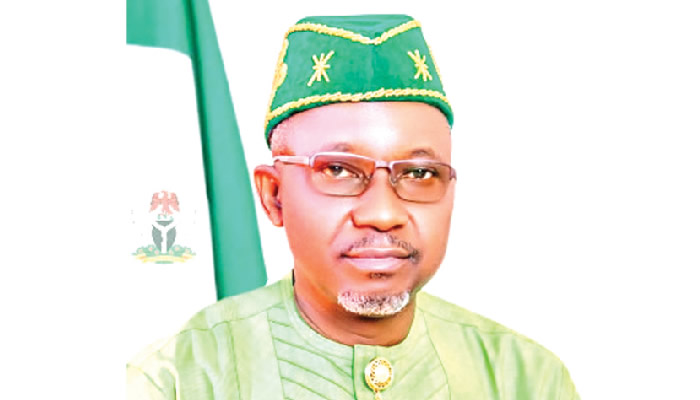
The Nigerian Federal Government, through the Minister of Petroleum Resources (Gas), Ekperikpe Ekpo, has committed an investment of $450 million into the development of Compressed Natural Gas (CNG) as part of a broader energy transition strategy. This investment showcases the government’s recognition of gas as a critical component in Nigeria’s energy future. During the Practical Nigerian Content Forum held in Yenagoa, Bayelsa State, Ekpo emphasized that the government is opening avenues for local businesses to participate actively in various stages of the gas value chain, including distribution, processing, and power generation. This alignment towards gas as a mainstay is also supported by the President Bola Tinubu administration’s prohibition of fuel subsidies, which aims to encourage the utilization of natural gas instead of petrol, thus promoting CNG as a viable alternative fueled by the promise of better economic stability and resource management.
The Minister highlighted the Presidential Compressed Natural Gas Initiative (PCNGI) as a driving force for the transition from Petroleum Motor Spirit (PMS) to CNG-powered vehicles. This initiative aims to facilitate investment in the CNG sector and address key gaps regarding workshops, infrastructure, and the supply of CNG. Ekpo noted significant progress in the implementation of the PCNGI, including the establishment of adequate regulatory processes to ensure safe and efficient adoption of CNG technologies. The stark investments made so far have contributed substantially to developing the necessary infrastructure, including 65 mother stations and 88 daughter stations, while 145 conversion centers have already been deployed with many more in construction. These initiatives underscore the government’s commitment to a robust gas distribution framework that is critical in ensuring energy availability and support for a sustainable economic landscape.
A staggering number of over 150,000 conversion kits have been acquired across the nation, signifying the push for widespread implementation of CNG. Ekpo reported that more than 34,000 vehicle conversions have taken place, accompanied by the development of technical expertise demonstrated through training programs for over 1,000 conversion technicians. Such capacity-building initiatives foster local skill development, which is fundamental to ensuring a sustainable future for the gas sector in Nigeria. The forum’s theme, ‘Defining the Next Frontier for Nigerian Content Implementation,’ reflects the government’s vision to leverage local capabilities intensively, ensuring energy security, driving economic growth, and championing environmentally sustainable practices in Nigeria’s energy sector.
The last year saw significant advancements in Nigeria’s domestic gas utilization thanks to successful completion of key gas projects, adding up to a combined capacity of 600 million standard cubic feet per day (MMscfd). Notable projects include the SEPLAT Assa North and SPDC Ohaji South initiatives, which have proven pivotal in enhancing the national gas output. Furthermore, final investment decisions for additional projects, such as the SPDC Iseni Project and the Total Ubeta Project, are set to increase production capacity by another 420 MMscfd, showcasing the ongoing momentum in the sector. The infrastructure developments, including the OB3 Gas Pipeline and the AKK Pipeline, which are nearing completion, create massive opportunities for local businesses involved in construction, maintenance, operations, and security services, while extending the benefits to gas-based industries such as manufacturing and fertilizers.
In alignment with Nigeria’s goals to enhance gas production and utilization, the gas ministry has set ambitious targets for future production, forecasting an increase to nearly 4 billion cubic feet per day by 2030. With substantial groundwork already laid—the achievement of 25% of this target indicates a promising trajectory towards an energy-secure future for the country. The minister elaborated on ongoing collaborations with the Nigerian Content Development and Monitoring Board (NCDMB) to prioritize local manufacturers in creating essential components for gas infrastructure, thereby ensuring the country’s economic fabric strengthening.
Lastly, the establishment of the Midstream, Downstream, and Gas Infrastructure Fund has allocated N122 billion to support six local companies within the gas value chain. This direct investment approach aims to de-risk ventures while promoting the rapid advancement of gas infrastructure projects that serve critical consumers and improve the dissemination of natural gas throughout the country. In summary, the Nigerian government demonstrates a clear commitment to fostering local involvement and investments in the gas sector, emphasizing that natural gas will be the cornerstone of the nation’s energy strategy moving forward, with numerous initiatives already catalyzing significant advancements and opportunities for local business and economic growth.