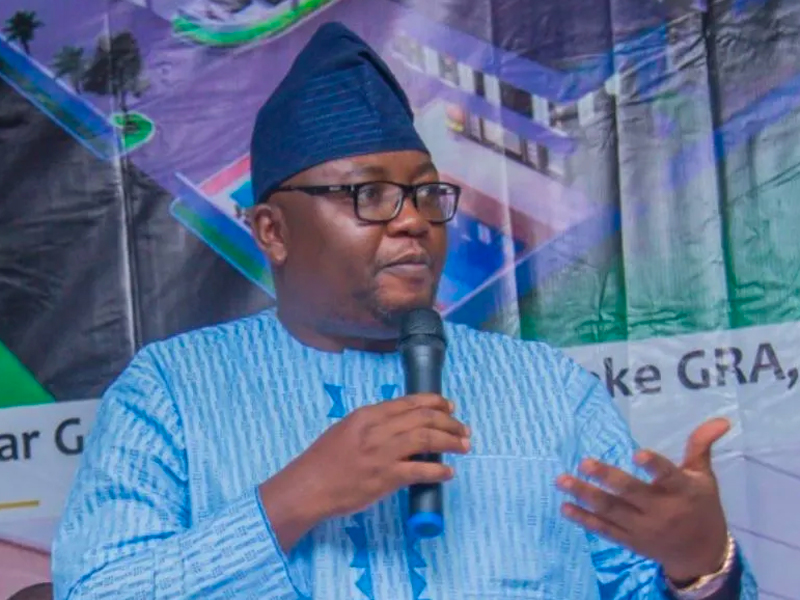
The Nigerian Minister of Power, Adebayo Adelabu, announced that a minimum of 1.3 million electric meters will be delivered to the country between December 2023 and the second quarter of 2025, during the ongoing Nigeria Energy Summit in Lagos. This initiative aims to address the significant gap in metering within the Nigerian power sector, where there are over 13 million customers but only about 5 million are metered. As a result, over seven million customers are currently subjected to estimated billing, which the minister describes as fraudulent and unacceptable. The government recognizes that closing this metering gap cannot happen overnight, as it requires a concerted and sustained effort to import and produce additional meters locally.
To tackle this issue, the Nigerian government has implemented the presidential metering initiative in collaboration with the Nigeria Governors Forum and state governments, alongside support from the World Bank Distribution Sector Reform Programme. This initiative aims to distribute 3.2 million meters, with 1.3 million already procured, contracts signed, and payments completed. The minister optimistically forecasted that the first batch of these meters would arrive in December 2024, with the remainder expected by the second quarter of the following year. The introduction of these meters is anticipated to enhance billing accuracy, thereby minimizing disputes between power distribution companies and their customers.
Furthermore, Adelabu expressed his confidence that through ongoing reforms, the power sector’s revenue could surge from N1 trillion in 2023 to N2 trillion in 2024. Increased funding would result from improved billing practices and enhanced transparency, particularly with the Band A tariff review. He outlined that if funds currently expended on diesel and petrol for private power generation were redirected into the electricity sector, the annual revenue could reach N5 trillion. This influx of resources would be crucial for infrastructure development, including the replacement of aging transformers and repair of broken lines, thereby promoting sector sustainability.
The minister emphasized that the metering initiative would significantly reduce reliance on estimated billing, foster transparency in the sector, and improve liquidity by ensuring customers are billed accurately. He stated that the Nigerian populace is willing to pay for electricity provided there is a transparent and fair billing system in place, highlighting that alternative power solutions are often more expensive and environmentally detrimental. The government’s focus on addressing these concerns reflects a understanding of the critical need for reform in the electricity sector to increase consumer trust and engagement.
Looking ahead, Adelabu noted that the integrated national electricity policy will be completed and submitted to the Federal Executive Council within four weeks. He highlighted that this policy will encompass vital elements such as local content development, competence enhancement, and human capacity building in the industry, which are currently insufficient. Adelabu stressed the importance of stakeholder involvement in reviewing the policy before its final submission, which is expected to guide future transformations in the sector.
The minister concluded by underscoring that the combination of the 2023 Electricity Act, a defined regulatory framework, and a strategic vision for sector development puts Nigeria on a solid path towards resolving long-standing challenges in its electricity supply system. He reinforced that the next steps involve continued investments in infrastructure, empowering local stakeholders, and strengthening regulatory enforcement to ensure that the progress made is sustainable and that it enhances the overall efficiency of the power sector. These efforts will ultimately set the stage for a more reliable and efficient energy landscape in Nigeria.