





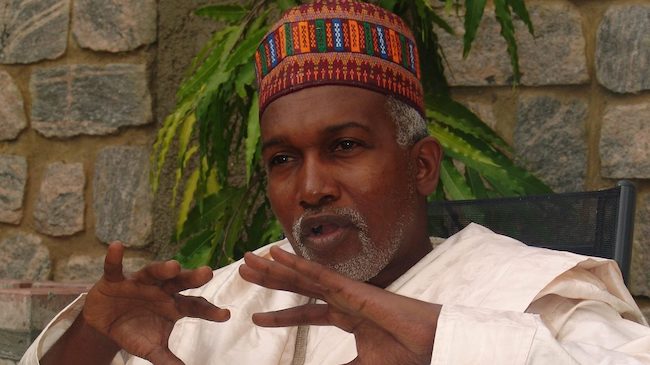
During a recent briefing, Yusuf Tuggar, Nigeria’s Minister of Foreign Affairs, emphasized the necessity for patience regarding the outcomes of the country’s international agreements and diplomatic endeavors. This statement followed President Bola Tinubu’s state visit to France, which Tuggar characterized as a “resounding success.” He underscored that the nature of diplomacy is gradual and should not be perceived as a quick transaction. Instead, he articulated a vision in which effective diplomacy requires a solid framework, followed by agreements and subsequent collaboration between businesses. This cautionary message was aimed at managing expectations among Nigerians as they await the results of these diplomatic engagements.
Highlighting the government’s pivotal role in fostering a conducive environment for businesses, Tuggar explained that the administration was actively working on reforms intended to attract foreign investment. He pointed out that these reforms reflect a commitment to free enterprise and competitiveness in the global market. He also outlined several significant achievements that emerged from President Tinubu’s discussions in France, including a monumental $2.4 billion agriculture investment secured during the G20 Leaders’ Summit in Brazil, as well as multiple Memoranda of Understanding (MoUs) signed in France. These achievements signal a proactive approach towards enhancing Nigeria’s agricultural sector, which was a key agenda item in discussions with French President Emmanuel Macron.
The conversations during the visit also released important insights regarding Nigeria’s abundant reserves of critical minerals, particularly lithium. Tuggar termed this as a substantial revelation that captured the attention of the French delegation, prompting President Macron to initiate discussions on crafting a new Memorandum of Understanding regarding critical minerals. The importance of Nigeria’s resource wealth and its potential for international partnerships became evident, as both nations explored avenues for collaboration across various sectors, such as clean energy and infrastructure development.
In terms of energy, Tuggar articulated President Tinubu’s aspirations for expanding nuclear energy capabilities and investing in solar energy, reflecting a forward-looking approach to tackling Nigeria’s energy needs. Additionally, he noted a historical shift in France’s stance toward West Africa, with President Macron having acknowledged past mistakes and soliciting Nigeria’s insights on counterterrorism strategies. This shift demonstrates a growing recognition of Nigeria’s significant role in ensuring regional security, which is crucial for stable diplomatic relations and international cooperation on pressing challenges.
On the domestic front, Tuggar reiterated his ministry’s commitment to ongoing reforms aimed at bolstering the investment climate in Nigeria. He pointed out the recent Electricity Act, which empowers states to establish their own power generation, distribution, and transmission systems, reflecting a decentralization strategy intended to improve electricity access. Moreover, he clarified misconceptions regarding the proposed Tax Reform Bill, explaining that it seeks to consolidate taxes, thereby simplifying the tax landscape for businesses and ultimately reducing their operational burdens. This initiative aligns with President Tinubu’s objectives of creating a more favorable economic environment.
In conclusion, Tuggar’s remarks underscored the necessity for tempered expectations when it comes to the tangible benefits of foreign diplomacy. He stressed that while the government aims to provide an enabling environment, many of the fruitful outcomes of such engagements would require time to materialize. As President Tinubu and President Macron moved forward with their partnership on critical infrastructure and enhancing food security, Tuggar projected optimism regarding the long-term benefits that these diplomatic foundations will bring to Nigeria. He concluded by emphasizing that the strategic advances made during President Tinubu’s state visit would serve as a springboard for future growth and development, demonstrating the profound relevance of diplomacy in addressing both local and global challenges.








