





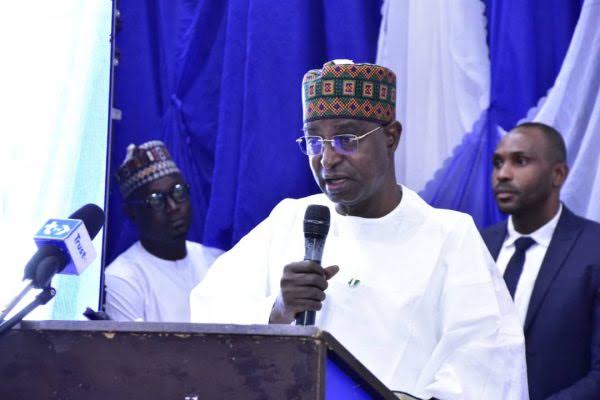
Nigeria’s leather industry stands on the cusp of a significant transformation, poised to become a major economic driver and employment generator. The Minister of Livestock Development, Idi Maiha, has articulated a comprehensive vision for revitalizing this sector, centered on optimizing resource utilization, promoting local production, and fostering a culture of domestic patronage. Currently, the industry is significantly underperforming its potential, largely due to inefficient practices and a societal preference for imported goods. Maiha’s plan seeks to address these challenges through a multi-pronged approach that encompasses improved animal processing, infrastructure development, and stakeholder engagement. The anticipated impact of these reforms is substantial, with projections indicating the creation of 700,000 jobs and the generation of N23 billion in revenue.
Central to the minister’s strategy is the establishment of centralized abattoirs and skin collection centers. This move is aimed at addressing the current, fragmented system of animal processing, which leads to significant losses in valuable hides and skins. By consolidating these processes, the industry can ensure a consistent supply of high-quality raw materials for leather production. This shift towards organized processing also promotes hygienic meat production and mitigates the health risks associated with traditional, often unsanitary, slaughtering methods. Furthermore, centralized facilities facilitate the adoption of safer skin processing techniques, eliminating the harmful practice of burning hides with kerosene, a common method that not only damages the skins but also poses environmental and health hazards.
A startling revelation highlighted by the minister is the prevalent consumption of hides and skins as food, a practice he vividly described as “eating shoes, bags, and belts.” This culturally ingrained habit results in the loss of valuable resources that could otherwise be used for leather production. Educating the public about the economic and environmental costs of this practice is crucial to changing behavior and redirecting these resources towards the leather industry. Coupled with this awareness campaign, promoting improved animal husbandry practices and encouraging livestock farmers to view their animals as a source of both meat and valuable byproducts like hides and skins can contribute to a more sustainable and economically viable livestock sector.
The potential of Nigeria’s leather industry is underscored by the success stories emerging from local shoe-making hubs like Maiduguri and Aba. These cities have demonstrated the capacity to produce high-quality footwear, including specialized items like jungle boots for the armed forces. This localized production not only caters to domestic demand but also presents an opportunity to reduce reliance on imported goods and create a thriving export market. The minister’s call for Nigerians to embrace locally made products resonates with the broader goal of fostering economic self-reliance and promoting national pride in Nigerian craftsmanship. This shift in consumer behavior is critical to driving improvements in quality and competitiveness within the local leather industry.
To achieve the ambitious targets set for the leather industry, the government is committed to providing comprehensive support. This includes engaging with chambers of commerce to facilitate public-private partnerships, investing in infrastructure development for improved livestock farming, and fostering an enabling environment for businesses operating within the leather value chain. Furthermore, a nationwide stakeholder consultation is planned to ensure that government policies and initiatives are aligned with the needs and challenges of the industry. This collaborative approach, involving all stakeholders from livestock farmers to leather manufacturers and retailers, is crucial for developing a holistic and sustainable roadmap for the sector’s growth.
The revitalization of Nigeria’s leather industry is not merely an economic imperative but also a social one. By creating hundreds of thousands of jobs, particularly in rural areas, the industry can contribute to poverty reduction and improved livelihoods. Moreover, by promoting sustainable practices and resource utilization, the sector can play a role in environmental conservation. The minister’s vision, if effectively implemented, promises to transform the leather industry from a neglected sector into a vibrant engine of economic growth, employment generation, and national pride. This transformation hinges on a concerted effort from all stakeholders, including the government, private sector, and the Nigerian public, to embrace locally made products and support the growth of this promising industry.








