









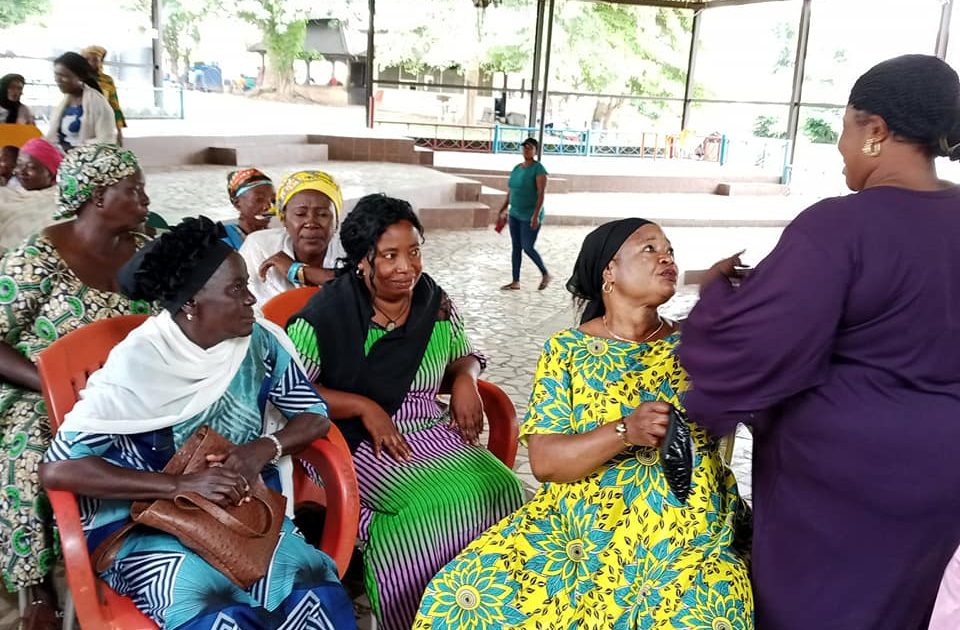
At a recent empowerment program for military widows organized by the Support Troops Foundation, Olubunmi Ese-Okiti, the interim National President of the Military Widows Association, delivered a message of hope and patience to members awaiting their late husbands’ insurance benefits. While some widows have already started to receive their payments, many others are still in line for the assistance entailed in these benefits. Ese-Okiti reassured attendees that the military has committed to speeding up the payment process for those who have yet to receive their dues. Recognizing that these payments are essential for the widows’ financial stability, she emphasized that the transition can take time and urged the members to remain patient while the relevant organizations work diligently to resolve the issue.
During her address, Ese-Okiti expressed heartfelt appreciation for the support received from prominent figures, including the First Lady, Mrs. Oluremi Tinubu. She highlighted Mrs. Tinubu’s dedication to enhancing the welfare of military widows, mentioning her proactive measures in providing various forms of assistance and the organization of empowerment programs aimed at uplifting the lives of these individuals. The interim president’s gratitude extended to the wives of service chiefs, who have also played vital roles in advocating for and supporting the widows and their families during these trying times. This collective acknowledgment underscores the strength of community and governmental support in addressing the specific challenges faced by military widows.
Furthermore, Ujinika Mba-Kalu, the coordinator of the empowerment program, underscored the significance of recognizing the sacrifices made by fallen soldiers and their families. She described the event as an opportunity to honor these sacrifices and noted the specific hardships that military widows endure. Many of these women find themselves thrust into the role of sole breadwinners after losing their husbands, creating an immense burden, particularly as they navigate the complexities of raising children alone. The program serves not only as recognition of their sacrifices but also as a platform for discussion about the unique challenges they face in sustaining their households.
One particularly concerning aspect highlighted during the event was the youth of many widows, some as young as 19, who are suddenly faced with the overwhelming responsibility of caring for children without the support of their partners. Mba-Kalu shared insights into her own background, being raised in a military family, which gave her a profound understanding of the emotional and financial turmoil such circumstances can cause. The foundation aims to provide these young widows with the necessary skills and resources to navigate their new realities, illustrating the pressing need for targeted support initiatives that account for the demographic diversity among military widows.
In addition to the practical benefits offered through empowerment programs, there is a broader conversation about the importance of creating societal awareness of the challenges faced by military widows. This event served as a pivotal moment for raising awareness about the resilience and strength of these women, who often face societal stigmas and obstacles in accessing the support they desperately need. By elevating their stories and emphasizing their strength, advocates such as Ese-Okiti and Mba-Kalu are striving to foster a more compassionate community that acknowledges the sacrifices made by military families.
Conclusively, the empowerment program organized by the Support Troops Foundation marks a significant step towards acknowledging the hardships faced by military widows and facilitating their journey towards financial independence and emotional resilience. The collaboration between the military, government support, and various organizations plays a crucial role in ameliorating the challenges these women face. As calls for patience and continued advocacy resonate within this community, it is vital for society as a whole to bolster its commitment to honoring the sacrifices made by servicemen and women and to ensure that their surviving families are provided for and supported in their times of greatest need.









