









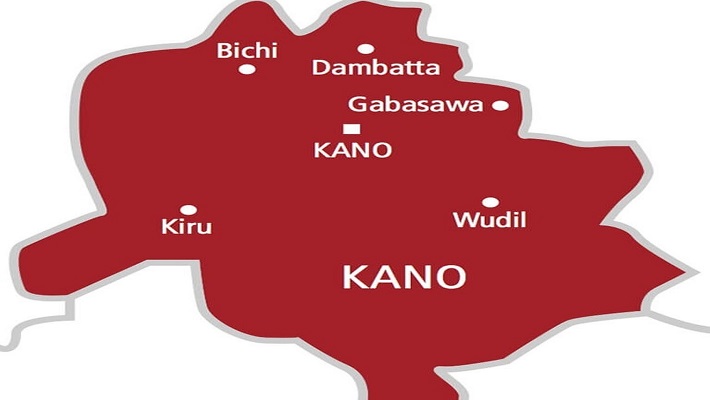
The Kano State Hisbah Board has recently intensified its stance against gambling, issuing a warning of arrests for individuals engaging in such activities and announcing plans to close betting shops throughout the state. This development aligns with the Hisbah Board’s interpretation of Sharia law, which deems betting illegal. The decision follows the Supreme Court’s recent ruling that overturned the 2005 National Lottery Act, which had established the National Lottery Commission and legalized various forms of gambling, including sports betting in Nigeria. This legal shift not only raises questions regarding the regulation of gambling in Nigeria but also places authority over gaming legislation firmly in the hands of state governments, thereby igniting debates about the intersection of federal law and state enforcement, especially in areas governed by Islamic principles.
The implications of this Supreme Court ruling have been particularly pronounced in Kano State, where the Hisbah Board operates under the influence of Islamic Sharia law in addition to federal law. Dr. Abba Sufi, the Director-General of the Hisbah Board, emphasized the board’s commitment to eradicating betting activities in the state, asserting that they will act with “renewed determination” to enforce the ban on gambling. He conveyed that the conflict regarding the jurisdiction over lottery and gambling legislation has now reached a resolution following the Supreme Court’s ruling. This announcement reflects the broader religious and cultural context in which the Hisbah Board operates, where activities such as gambling are not only frowned upon but also seen as contradicting Islamic values.
Dr. Sufi’s statements highlight the longstanding contention surrounding the gambling law, predominantly predicated on its perceived legitimization of activities that are prohibited in Islam. The Hisbah Board is poised to take a firm stance on the matter, aiming to reinforce the enforcement of Sharia law in a contemporary context where federal regulations provide a conflicting framework. The board’s readiness to clamp down on betting establishments is indicative of a more extensive effort to curb practices that they view as detrimental to societal values, reflecting a commitment to upholding religious doctrine amid evolving legal environments.
This situation raises critical questions regarding the balance between state and federal authority in a nation characterized by diverse legal frameworks and cultural beliefs. With the Supreme Court ruling providing clarity on jurisdiction, this could set a precedent for other states to follow suit, particularly those with similar religious underpinnings. However, it also signals potential clashes between local governance and federal policies, possibly resulting in a patchwork of regulations across the country that could complicate compliance and enforcement in the gambling sector.
As the Hisbah Board moves forward with its plans, there is an anticipation of resistance from individuals and businesses that stand to be affected by such stringent regulation. This enforcement could lead to significant economic implications, particularly in a state where the gambling industry has begun to establish its footprint following the legalizing efforts represented by the National Lottery Act. The crackdown could also lead to broader discussions about personal liberties and the role of religious institutions in regulating private behavior, signaling a deeper cultural schism regarding activities deemed acceptable or unacceptable by divergent segments of Nigeria’s population.
Overall, the developments in Kano State illustrate a critical inflection point in Nigeria’s gambling discourse, reflecting the complex interplay of law, religion, and societal values. The Hisbah Board’s assertive response to the Supreme Court’s ruling underscores its commitment to Sharia law, while simultaneously navigating the challenges posed by contemporary federal regulations. As these debates continue, the implications for governance, religious authority, and individual rights will increasingly come under scrutiny, illustrating the multifaceted nature of law in a diverse and dynamic society like Nigeria.









