





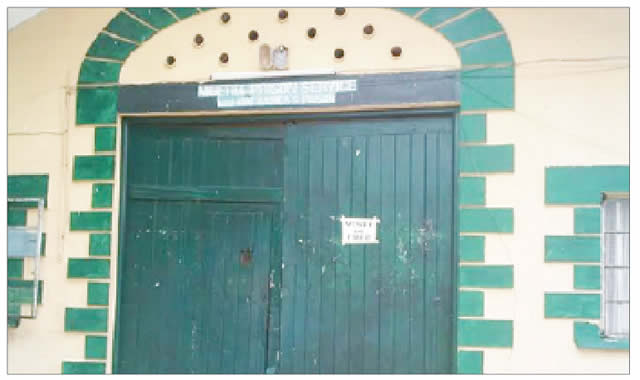
In 2024, the Nigerian Correctional Service faced a significant crisis due to severe flooding that resulted in the escape of a substantial number of inmates from two of its facilities. On April 24, heavy rains caused the walls of the Suleja Medium Security Prison in Niger State to collapse catastrophically, allowing 119 inmates to escape. While authorities managed to recapture 23 of the escaped individuals, the remainder remained at large, raising concerns about public safety and the effectiveness of the correctional system. This incident highlighted the vulnerabilities in Nigeria’s correctional infrastructure in the face of extreme weather events.
The turmoil continued later in the year when, on September 9, flooding again prompted an emergency situation at the Medium Security Custodial Centre in Maiduguri, Borno State. The flood led to the collapse of the facility’s perimeter wall, allowing an additional 281 inmates to flee. In a troubling development, only seven of these escapees were recaptured, further emphasizing the challenges faced by the correctional authorities. Together, these incidents resulted in a total of 350 inmates escaping the two facilities, alarming both the public and officials concerned about safety and security.
Despite the gravity of the situation, the Nigerian Correctional Service has remained disturbingly silent regarding the whereabouts of the escaped inmates. As time has passed since these events, there has been a noticeable lack of communication from the Service about plans to recapture the remaining fugitives. Reports from The PUNCH indicate that the Correctional Service has not issued any updates or statements regarding efforts to track down the escapees or reinforce security at the facilities, raising questions about their operational transparency and accountability.
Efforts to seek clarification from the Nigerian Correctional Service have proven futile. Spokesperson Umar Abubakar did not respond to multiple attempts to contact him via phone calls and text messages, illustrating a lack of responsiveness from the agency during a time when the public demands information and assurance about safety measures. The absence of communication only serves to exacerbate the feelings of unease among the citizens as the state struggles to manage the repercussions of the extraordinary number of escapees from its correctional facilities.
The extensive escape of inmates amidst natural disasters underscores broader issues within Nigeria’s correctional system, including the adequacy of infrastructure and emergency preparedness. As climate change continues to exacerbate weather patterns, the need for greater investment in prison facilities and contingency planning is increasingly evident. Failure to address these vulnerabilities not only risks public safety but also highlights systemic shortcomings that require urgent attention from government officials and stakeholders involved in criminal justice reform in Nigeria.
In conclusion, the Nigerian Correctional Service’s response to the recent mass escapes due to flooding raises significant concerns over its operational capacity and communication strategies. With 350 inmates unaccounted for and scant updates on recapture efforts, insecurity is likely to remain a pressing issue in Nigeria. Analysts emphasize the necessity for reform and improvement in both infrastructure and emergency preparedness to mitigate the impacts of future natural disasters.








