





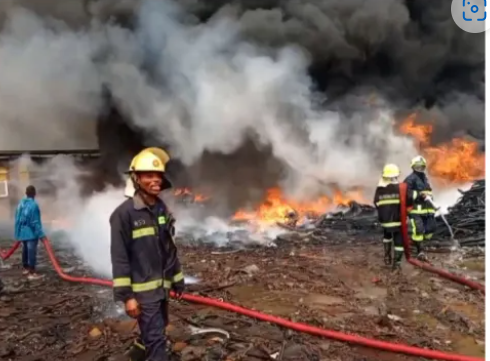
The devastating fire that ravaged a scrap yard in Ashaiman, Ghana, behind the China Mall, on Monday, January 30, serves as a stark reminder of the potential for catastrophic loss due to fire incidents. The blaze consumed approximately 17 shipping containers, reducing them to charred metal carcasses, and obliterating other valuable assets within the yard. The cumulative financial impact of the destruction is estimated to be in the millions of Ghana cedis, representing a significant setback for the businesses operating within the affected area. While the inferno caused widespread property damage, thankfully, no injuries or fatalities were reported. The swift response of the firefighting teams and the absence of human casualties underscore the importance of effective emergency preparedness and response protocols.
The collaborative efforts of firefighters from both Tema and Ashaiman played a crucial role in containing the fire and preventing its spread to adjacent properties. Multiple fire tenders were deployed to the scene, battling the intense flames and working tirelessly to bring the situation under control. The coordinated response and deployment of resources demonstrate the importance of inter-agency cooperation and the effectiveness of having well-equipped and trained fire services. The prompt action of the firefighters undoubtedly minimized the overall damage and prevented the fire from escalating into an even larger disaster. The incident also highlights the critical role of accessibility for emergency responders, a factor that contributed to the successful containment of the blaze.
While the immediate aftermath focused on extinguishing the flames and securing the site, the focus now shifts towards investigating the cause of the fire. The Ghana National Fire Service (GNFS) has launched a comprehensive investigation to determine the origin and contributing factors that led to the conflagration. This investigation will likely involve a thorough examination of the scene, collection of physical evidence, and interviews with witnesses and relevant personnel. Determining the root cause is essential not only for understanding the specific circumstances of this incident but also for identifying potential preventative measures that can be implemented to mitigate the risk of similar occurrences in the future. Lessons learned from this investigation can inform fire safety practices and regulations, ultimately enhancing the safety of similar businesses and communities.
The Ashaiman scrap yard fire underscores the inherent risks associated with such operations. Scrap yards, by their nature, often contain a variety of flammable materials, including plastics, rubber, and various metals. These materials, when ignited, can contribute to the rapid spread and intensification of fires. Furthermore, the often-dense arrangement of materials within scrap yards can create challenges for firefighting efforts, hindering access and increasing the risk of further damage. This inherent vulnerability necessitates stringent fire safety measures, including regular inspections, proper storage and handling of materials, and the provision of adequate fire suppression systems.
The incident also serves as a broader reminder of the importance of fire safety awareness and preparedness for all businesses, regardless of their specific industry. The GNFS has issued a public advisory, urging businesses, particularly those operating in potentially hazardous environments, to remain vigilant and prioritize fire safety. This includes regular checks of electrical systems, proper maintenance of fire extinguishers, and the development of comprehensive fire evacuation plans. Promoting a culture of fire safety within businesses and communities is crucial for preventing such incidents and minimizing the devastating consequences when they do occur.
Furthermore, the GNFS emphasized the importance of paying close attention to weather conditions, especially during periods of dry and windy weather, which can significantly increase the risk of fire spread. Such conditions can exacerbate the volatility of flammable materials and contribute to the rapid escalation of fires. Businesses operating in areas prone to such weather patterns should take extra precautions and implement specific measures to mitigate the increased fire risk. This incident underscores the interconnectedness of various factors, including environmental conditions, and the need for a holistic approach to fire safety management. By implementing robust preventative measures, adhering to safety regulations, and fostering a culture of fire safety awareness, businesses and communities can significantly reduce the risk of such devastating fire incidents.








