









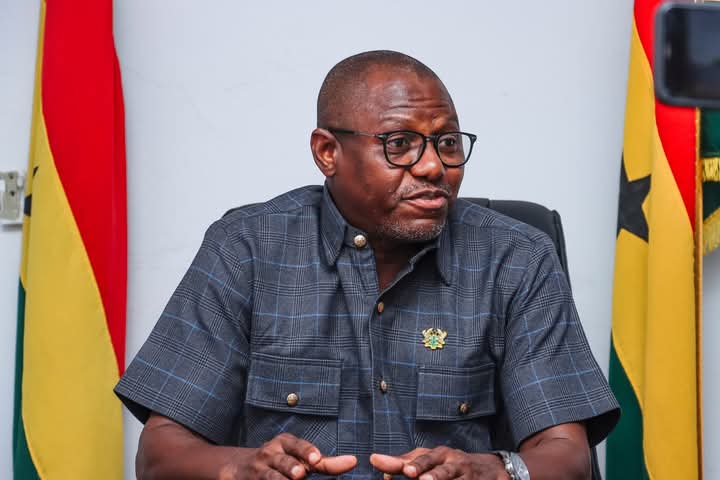
The Municipal Chief Executive (MCE) of Wa Municipality, Alhaji Nurah Issah Danwanaa, has voiced grave concerns regarding the escalating drug abuse crisis among the youth in his jurisdiction. Speaking at the Salla Games event, the MCE characterized the situation as a dire threat to the future of young people and the overall development of the community. He underscored the devastating long-term consequences of substance abuse, emphasizing its potential to destroy lives and impede progress. Alhaji Danwanaa’s remarks reflect a growing national apprehension about the widespread opioid and substance abuse epidemic affecting Ghanaian youth, a concern shared by public health advocates and policymakers alike.
Alhaji Danwanaa’s address highlighted the urgency of the situation in Wa Municipality, where the sale and use of illicit drugs have become increasingly prevalent. He outlined a comprehensive strategy to combat the menace, which involves public education campaigns, enhanced law enforcement efforts, and the establishment of Special Community Task Forces. These watchdog groups, composed of community members, will collaborate closely with law enforcement agencies to curb drug-related activities and promote a safer environment for the youth. The MCE’s call for a collaborative approach underscores the critical need for community involvement in tackling this complex issue.
The proposed Special Community Task Forces represent a crucial element of the MCE’s multi-pronged approach. These community-based units will play a proactive role in identifying and reporting drug-related activities, serving as a vital link between law enforcement and the community. By empowering local residents to participate in the fight against drug abuse, Alhaji Danwanaa aims to foster a sense of shared responsibility and ownership of the solution. This initiative recognizes that effective solutions require not only robust enforcement but also a fundamental shift in community attitudes and behaviors.
The MCE’s strategy emphasizes the importance of community engagement as a cornerstone of the fight against drug abuse. By involving community leaders, youth groups, and the newly formed watchdog units, he aims to establish a comprehensive response that addresses the root causes of substance abuse while promoting prevention and accountability. This collaborative approach underscores the belief that lasting change can only be achieved through a collective effort, with all stakeholders working together towards a common goal. The MCE’s focus on community ownership highlights the crucial role of local involvement in creating a sustainable solution to this pervasive challenge.
Beyond the immediate measures of law enforcement and community mobilization, the MCE’s strategy also encompasses a long-term vision of creating a safer and healthier environment for the youth of Wa. This includes preventative measures aimed at educating young people about the dangers of drug abuse and providing them with the necessary support systems to resist peer pressure and make informed choices. By fostering a culture of awareness and understanding, the MCE hopes to equip young people with the tools they need to navigate the challenges they face and build a brighter future for themselves and their community.
Alhaji Danwanaa’s proactive stance reflects a broader recognition of the urgent need to address the growing drug abuse crisis in Ghana. His integrated approach, which combines law enforcement, community engagement, and preventative measures, offers a promising model for other municipalities facing similar challenges. By emphasizing community ownership and collaborative action, the MCE aims to create a lasting impact on the lives of young people and pave the way for a healthier, more prosperous future for the Wa Municipality. The success of this initiative could serve as a valuable example for other communities struggling with the devastating effects of substance abuse.









