









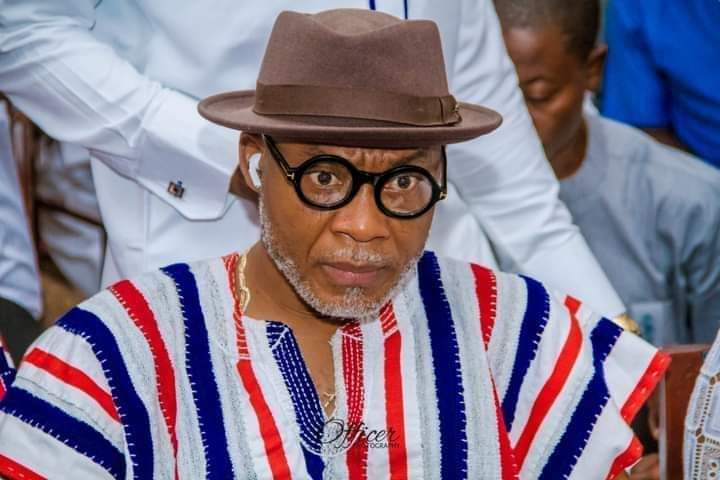
The New Patriotic Party (NPP) suffered a resounding defeat in the December 7, 2024, general elections, prompting introspection and analysis from within the party ranks. Musah Superior, a prominent NPP member, argues that the loss signifies a referendum on President Nana Addo Dankwa Akufo-Addo’s leadership and governance. Superior contends that the electorate punished the NPP’s flagbearer, Vice President Mahamudu Bawumia, for what he perceives as the “sins” of President Akufo-Addo. This suggests that the perceived shortcomings of the Akufo-Addo administration cast a long shadow over the NPP’s campaign, ultimately leading to their downfall at the polls. Superior’s analysis pinpoints several key areas of public dissatisfaction that contributed to the NPP’s defeat.
Superior’s critique of Akufo-Addo’s leadership centers on several controversial decisions and perceived missteps. He highlights Akufo-Addo’s alleged nepotism, claiming it detrimentally impacted both the party and the government. The implementation of the unpopular E-levy, despite Bawumia’s public opposition, is cited as another significant factor contributing to the NPP’s loss. Superior questions the retention of Ken Ofori-Atta as Finance Minister despite widespread calls for his removal, including concerns raised by over 90 MPs regarding his performance. Akufo-Addo’s resistance to reshuffling his cabinet, a demand voiced by many Ghanaians and NPP members, is also highlighted as a critical error in judgment.
Further fueling public discontent, according to Superior, were the government’s focus on the National Cathedral project amidst economic hardship, the cancellation of the successful NABCO program, and the poorly timed increase in electricity and water tariffs just months before the election. These actions, Superior argues, were avoidable mistakes that significantly contributed to the NPP’s defeat. He portrays a picture of a government out of touch with the needs and concerns of the electorate, a perception that ultimately cost them the election.
Superior laments the party’s weakened state, attributing it to a loss of resources, influence, and the ability to energize its support base. He criticizes President Akufo-Addo’s focus on commissioning and groundbreaking ceremonies for projects in the final days of his presidency, viewing these actions as desperate and ineffective. The timing of these ceremonies, according to Superior, seemed to signal a disconnect from the public sentiment, further alienating voters who may have perceived these actions as prioritizing optics over addressing pressing concerns.
Looking ahead, Superior emphasizes the need for an honest conversation within the NPP to repair the damage and rebuild the party. He calls for sincere reflection on the election results and the development of a comprehensive recovery plan. This rebuilding process, he argues, should involve a critical examination of the party’s strategies, its connection with the electorate, and its internal dynamics. The ultimate goal, in Superior’s view, is to create a concrete platform for the party’s reconstruction and its eventual return to power.
Despite the electoral setback, Superior commends Vice President Bawumia for his courage, resilience, and demonstrated commitment throughout the campaign. He acknowledges Bawumia’s intellectual acumen and emphasizes his continued importance within the party and the country. This suggests that while acknowledging the shortcomings of the Akufo-Addo administration, Superior still views Bawumia as a valuable asset to the NPP and a potential leader for the future. This nuanced perspective highlights the complexity of the internal dynamics within the party as it grapples with the aftermath of the election defeat and charts a course forward.









