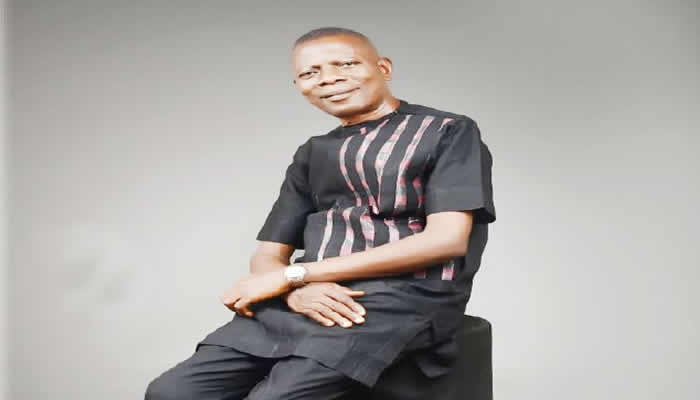
In an engaging interview with ABIODUN ADEWALE, Michael Adedayo, affectionately known as Micho Ade and referred to as Nigeria’s ‘Juju Rock Master,’ shares intriguing insights about his journey through sports and music, particularly highlighting his experiences with football. Growing up in Ikere-Ekiti, Micho Ade actively participated in athletics and football during his school years, representing St. Silas Primary School in various competitions. His fond memories of inter-school tournaments, particularly the matches against schools like St. Luke’s, illustrate his early passion for football. However, despite his prowess in the sport, he couldn’t pursue it professionally due to his overwhelming passion for music.
Micho Ade candidly observes that the perception of football as a viable career option was virtually non-existent in his upbringing. In a time when traditional values prevailed, pursuing football was often met with disapproval, as parents frequently discouraged their children from playing in the streets. This lack of acceptance extended to music as well. With societal attitudes firmly rooted in conventional careers, it wasn’t until later in life, particularly through his involvement in church choir and the school band, that Micho felt compelled to fully embrace music as his calling.
Despite his musical commitments, Micho maintains a love for football. He keeps up with the sport, especially during tournaments, noting his passion for discussions surrounding games. He expresses deep-rooted loyalty to Nigerian football, particularly to local teams such as Ekiti United and Shooting Stars, while also being a devoted fan of Manchester United, a connection sparked by his memorable visit to Old Trafford in 2006. His experience at the renowned stadium left a vibrant impression on him, highlighting the well-organized atmosphere, the passion of fans, and the memorable traffic management designed to accommodate game day crowds.
Micho shares that while he has attended matches in Nigeria, such as a live encounter at Liberty Stadium in Ibadan, he wishes to see more recognition for local teams like Ekiti United, which often remain overshadowed by more prominent clubs in the region. Despite being passionate about his local team, he notes the challenges faced by Ekiti United in climbing the ranks and gaining similar fame as other clubs. His dream for the team is rooted in the belief that with the right support and development, Ekiti United can achieve greater heights in Nigerian football circles.
When exploring the broader scope of the Nigerian football landscape compared to the music industry, Micho observes a significant disparity. He cites the successful rise of individual musicians who have propelled Nigerian music into global recognition, contrasting it with the challenges faced by local football leagues. Micho suggests that regional and government support play pivotal roles in the growth of football in other countries, emphasizing the need for similar sponsorship and investment within Nigeria to elevate the sport’s profile, which still lags significantly compared to the music industry.
In conclusion, Micho Ade reassures fans and enthusiasts that he remains very much active in the music scene. With a discography boasting 32 or 33 albums, he has plans to release new tracks before Christmas, adapting to the changing music industry landscape by making his works available on streaming platforms. The interview captures the essence of Micho Ade’s dual passion for football and music, while shedding light on the unique challenges and possibilities within Nigeria’s cultural and sports domains.