





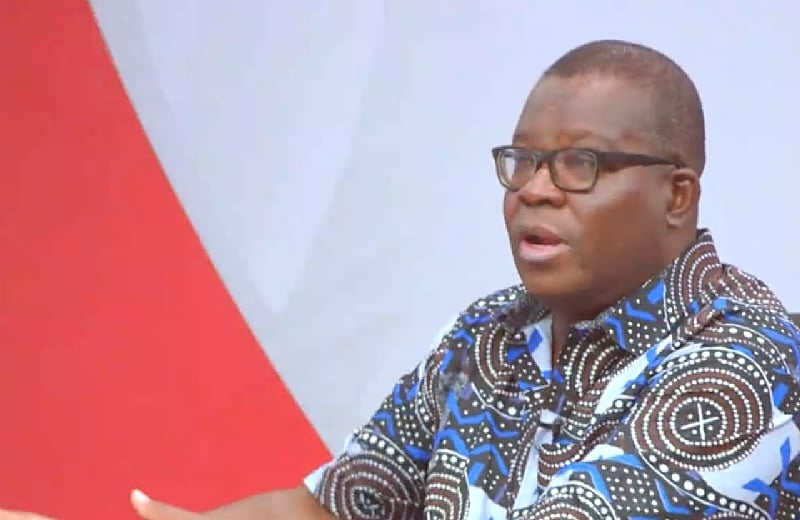
The Free Senior High School (Free SHS) policy in Ghana, implemented to broaden access to secondary education, is facing increasing scrutiny and calls for reform amidst prevailing economic challenges. Angel Carbonu, President of the National Association of Graduate Teachers (NAGRAT), has voiced concerns about the policy’s sustainability in its current form, advocating for a review that would involve parents sharing the financial burden of their children’s boarding expenses. While acknowledging the undeniable positive impact of Free SHS in expanding educational opportunities, Carbonu argues that the current economic climate necessitates a more pragmatic approach to funding the program. He highlights the government’s struggles to meet its financial obligations, including delays in paying for exam script marking, as evidence of the strain the policy places on national resources.
A core issue raised by Carbonu is the persistent problem of food shortages in senior high schools. He points to the reliance on the National Food Buffer Stock Company, which has faced challenges in timely food delivery, forcing headmasters to request parents to supplement their children’s meals. This situation, he argues, undermines the very essence of “free” education, as students increasingly depend on pocket money and provisions from home. Carbonu proposes that parents should directly contribute to the costs of feeding and accommodation, clarifying that this is not a call for the reintroduction of school fees but rather a targeted approach to address specific boarding expenses. He emphasizes that this shift would allow the government to allocate resources more efficiently, ensuring the program’s long-term viability.
Carbonu’s proposal includes a mechanism for ensuring fairness and protecting vulnerable families. He suggests replacing the current blanket subsidy system with a targeted bursary program that specifically assists financially distressed families. This targeted approach, he argues, would provide focused support to those who genuinely require assistance, optimizing resource allocation and avoiding overstretching the system. He underscores the importance of prioritizing those most in need, ensuring that the benefits of secondary education remain accessible to all, regardless of their financial circumstances.
Transparency and open dialogue are crucial elements of Carbonu’s call for reform. He urges the government to engage stakeholders, including educators, parents, and civil society organizations, in a comprehensive national economic dialogue to address the challenges confronting Free SHS. He emphasizes the need for an honest assessment of Ghana’s financial situation and a willingness to acknowledge the current strain on resources. Carbonu believes that a frank and open conversation about the country’s financial constraints is essential for developing sustainable solutions. He cautions against maintaining the illusion of affordability when the reality suggests otherwise, advocating for a pragmatic approach that ensures the long-term success of the program.
Carbonu’s concerns reflect a broader sentiment within the education sector. The Conference of Heads of Assisted Secondary Schools (CHASS) has echoed similar anxieties regarding feeding challenges in schools, also advocating for parental involvement in addressing the issue. This convergence of viewpoints from key stakeholders underscores the pressing need for a comprehensive review of the Free SHS policy. The shared concerns about funding and resource allocation highlight the urgency of finding sustainable solutions that ensure the program’s continued success without compromising the quality of education or placing undue burden on the national budget.
The debate surrounding the Free SHS policy underscores the complex interplay between ambitious social programs and economic realities. While the policy has undoubtedly expanded access to secondary education, its current implementation faces significant challenges. The call for a review, driven by concerns about financial sustainability and operational effectiveness, highlights the ongoing evolution of policy in response to practical constraints. Finding a balance between the laudable goal of free and accessible education and the pragmatic necessity of sustainable funding remains a critical challenge for Ghana’s education system. The ongoing dialogue, spurred by Carbonu’s remarks and supported by other stakeholders, is a vital step in shaping the future of Free SHS and ensuring its long-term viability.








