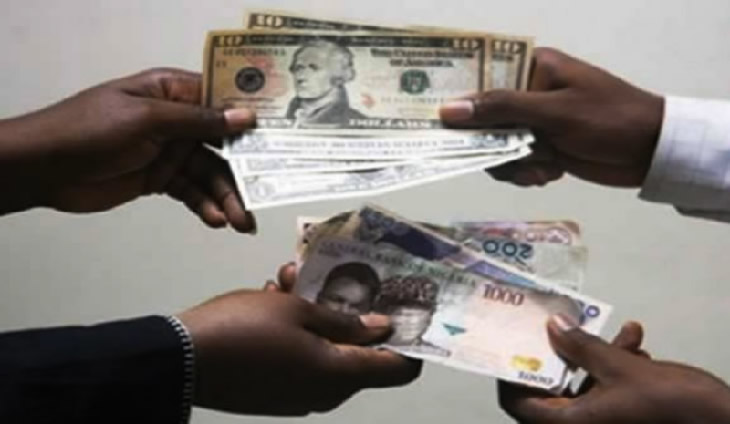
The Nigerian naira has experienced a significant depreciation in the unofficial forex market, with reports of it trading at 1,705 naira to the dollar on a recent Wednesday. Currency exchange operators, such as Aliyu Sani in Lagos, highlighted the sharp fluctuations, noting that he sold dollars for this high rate while buying them at a slight discount of 1,695 naira. Meanwhile, in Abuja, the rates were marginally better, where dollars were sold at 1,700 naira. Another trader, Suraju Ajao, corroborated these figures, reporting buying rates at 1,690 naira and selling rates at 1,700 naira. These disparities not only reflect the ongoing instability but also indicate a broader trend of currency depreciation impacting economic activities across Nigeria.
The official market data provides further insight into the naira’s performance. On the Nigerian Autonomous Forex Exchange Market integrated into the FMDQ Securities platform, the naira ended trading at 1659.69 naira to the dollar, which marked a slight decline of 0.04 percent from the previous day’s figure of 1658.97 naira. The naira’s performance in the official market recorded both highs and lows within the same trading session, achieving a peak of 1,682 naira and a low of 1,562.97 naira to the dollar. This volatility in exchange rates suggests ongoing uncertainties in Nigeria’s economic landscape, highlighting the struggling currency’s stability.
Daily transaction volumes also reflect a decline, with turnover sinking from $217.86 million the day before to $177.10 million, indicative of decreasing demand and liquidity in the currency market. Analysts observe that this drop in daily turnover may exacerbate currency challenges as fewer transactions mean reduced access to foreign capital and support for a struggling naira. The declining turnover could also signal a lack of confidence among investors and traders in the local currency, further pressuring its value.
The absolute depreciation of the naira reached a new low the previous Monday, closing at 1,700 naira to the dollar, marking a 0.29 percent decline compared to last week’s exchange rate of 1,695 naira. Such persistent decline characterizes an alarming trend for the currency, manifesting the systemic issues within Nigeria’s financial infrastructure. The recent data demonstrates the currency’s downturn is not merely transient, but instead illustrates a deeper crisis rooted in persistent economic challenges aggravated by various external and domestic factors.
The World Bank has recently categorized the naira as one of Sub-Saharan Africa’s poorest performing currencies in 2024. As of August, statistics indicate that the naira depreciated by an approximate 43 percent year-to-date, positioning it alongside other weakened currencies like the Ethiopian birr and the South Sudanese pound. This stark depiction highlights the challenges facing the naira, not only in relative terms but also in its functional roles within the global and regional economy. Such evaluations from international financial bodies raise concerns over how these trends might impact trade, investment, and overall economic stability in Nigeria.
Critically, the decline of the naira is largely attributed to soaring demand for U.S. dollars in Nigeria’s parallel market, limited inflow of dollars, and a sluggish pace of foreign exchange disbursements by the central bank. This confluence of factors illustrates a worrying scenario for the Nigerian economy, where the stringent dollar supply coupled with heightened demand creates significant pressure on the naira’s value. The inability of the central bank to adequately address these currency challenges underscores the urgent need for effective economic reforms to bolster investor confidence and stabilize the currency, key elements necessary for a healthier economic trajectory in Nigeria.