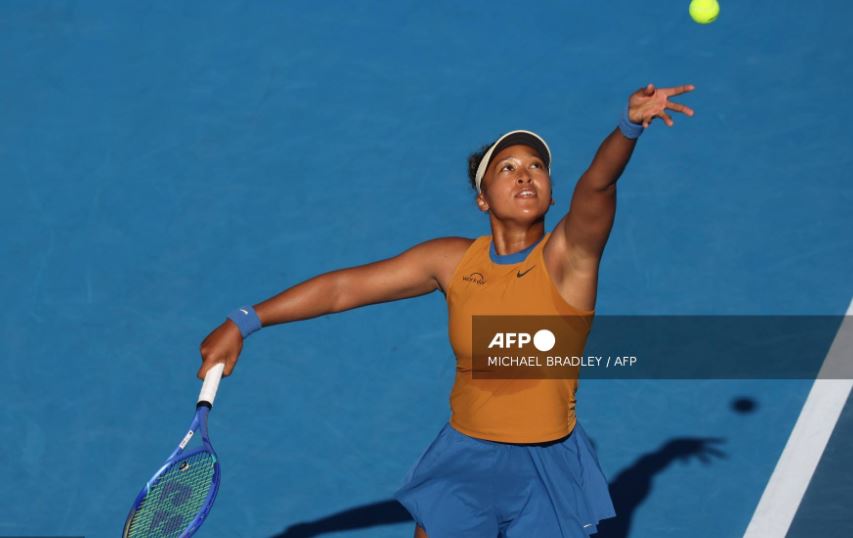
Naomi Osaka’s highly anticipated return to competitive tennis and her pursuit of a first title in three years met an unfortunate end at the Auckland Classic. Just a week before the Australian Open, the four-time Grand Slam champion was forced to withdraw from the final against Clara Tauson due to an abdominal injury, casting a shadow of uncertainty over her participation in the upcoming major tournament. Osaka’s withdrawal came as a surprise, particularly given her strong performance in the first set, which she won 6-4. She displayed no visible signs of discomfort during the 35-minute set, showcasing the powerful groundstrokes that have defined her career and breaking Tauson in the third and fifth games. The abrupt shift in her physical condition underscores the unpredictable nature of sports injuries and their potential to disrupt even the most meticulously planned comebacks.
The incident unfolded dramatically during the changeover after the first set. Osaka, standing and performing stretches, called for a medical timeout, signaling the onset of the issue. After consultation with the trainer, it became clear that she would be unable to continue. Shaking Tauson’s hand, Osaka conceded the match, allowing the Danish player to claim her third career title and first since 2021. While the courtside interview provided little detail about the injury, a subsequent statement from the Women’s Tennis Association (WTA) confirmed that Osaka’s withdrawal was due to an abdominal strain. The disappointment was palpable, not just for Osaka but also for the fans who had eagerly awaited her return to the top echelons of the sport.
Osaka’s brief statement acknowledging the warm welcome she received in Auckland and expressing regret over the abrupt ending to her tournament run reflected her graciousness despite the setback. The sentiment resonated with fans who had witnessed her journey back to competitive tennis following a 15-month break that included the birth of her first child. While the Auckland Classic was intended to be a springboard for her Australian Open campaign, it now serves as a reminder of the delicate balance between pushing for peak performance and managing physical limitations, especially after a significant period away from the sport.
The Auckland final marked Osaka’s first WTA final appearance since the Miami Open in 2022, a significant milestone in her comeback journey. Having returned to professional tennis 12 months prior, she had steadily climbed back up the rankings, reaching 57th in the world. The final in Auckland represented a tangible step towards reclaiming her place among the elite players and a chance to regain the momentum that had propelled her to four Grand Slam titles. The injury, however, throws a wrench into these plans, leaving her Australian Open participation in doubt and potentially requiring a period of rest and rehabilitation to fully recover.
This sudden injury raises concerns about Osaka’s ability to compete effectively in the Australian Open, a tournament she has won twice. The abdominal strain, depending on its severity, could significantly hinder her movement and power, impacting her ability to serve and execute her signature groundstrokes. The timing of the injury is particularly unfortunate, leaving her with little time to recover and prepare for the demanding conditions of a Grand Slam tournament. While Osaka’s resilience and determination are unquestionable, the injury casts a shadow of uncertainty over her prospects in Melbourne.
The incident in Auckland highlights the inherent risks associated with professional sports, particularly after periods of inactivity. While Osaka’s return to tennis had been carefully managed, the physical demands of a high-level tournament can expose underlying vulnerabilities. The abdominal strain serves as a reminder of the importance of ongoing physical conditioning and the need to listen to one’s body, particularly when returning from a break. Osaka’s withdrawal underscores the fine line between pushing for competitive success and prioritizing long-term health and well-being. Her focus will now shift to managing the injury and making an informed decision about her participation in the Australian Open, balancing her ambition to compete with the need for a full recovery.