





Paragraph 1: Context and Announcement of Dissolution
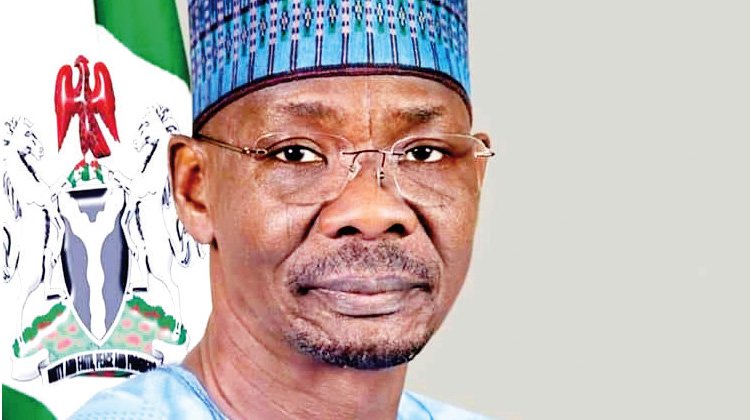
The political landscape of Nasarawa State witnessed a significant shift on Friday as Governor Abdullahi Sule announced the dissolution of his entire cabinet. This sweeping move included the removal of the Secretary to the State Government (SSG), Muhammad Ubandona-Aliyu, and all commissioners. The official announcement, disseminated through a statement signed by Mohammed Illiyasu-Idde, Permanent Secretary of Cabinet Affairs and Special Duties in the SSG’s office, specified that the dissolution was effective immediately. This unexpected decision has sparked speculation and analysis regarding the governor’s motivations and the potential implications for the state’s governance.
Paragraph 2: Handover Procedures and Governor’s Gratitude
The statement outlining the cabinet dissolution also detailed the procedures for the handover of responsibilities. Outgoing commissioners were instructed to transfer the affairs of their respective ministries, including all government property under their control, to the permanent secretaries of those ministries. Similarly, the outgoing SSG, Muhammad Ubandona-Aliyu, was directed to hand over his duties to the Permanent Secretary of Cabinet Affairs and Special Services. Governor Sule, in the same statement, expressed his appreciation for the service rendered by the outgoing appointees and extended his best wishes for their future endeavors. This expression of gratitude, while customary, does little to quell the rising curiosity surrounding the reasons behind the sudden and comprehensive cabinet reshuffle.
Paragraph 3: Speculation and Potential Motivations
The unexpected dissolution of the entire cabinet has naturally led to widespread speculation about the underlying reasons for Governor Sule’s decision. Several possible motivations are being considered, including the desire to reshape the government for improved efficiency and effectiveness. Another possibility is that the governor is seeking to consolidate his political power and influence by bringing in individuals more aligned with his vision for the state. Internal political dynamics and the need to address potential conflicts or underperformance within the cabinet could also be contributing factors. Moreover, the governor might be preparing for his second term by assembling a team he believes is best suited to implement his agenda for the next four years.
Paragraph 4: Impact on Governance and Policy Continuity
The dissolution of the cabinet raises questions about the potential impact on governance and policy continuity in Nasarawa State. While permanent secretaries will assume interim leadership of the ministries, ensuring the smooth functioning of government operations, the absence of commissioners could temporarily slow down decision-making processes, particularly concerning policy formulation and implementation. Projects and initiatives requiring ministerial approval might experience delays, and the overall pace of governance could be affected. However, the appointment of a new cabinet is expected to address these concerns and bring fresh perspectives and energy to the government.
Paragraph 5: Public Reaction and Expectations
The public reaction to the cabinet dissolution has been mixed. Some citizens express support for the governor’s decision, viewing it as a necessary step to revitalize the government and improve service delivery. Others express concern about the potential disruption to ongoing projects and programs. There is a general expectation that the governor will carefully select competent and experienced individuals for the new cabinet positions, prioritizing individuals with a proven track record of public service and a commitment to the development of Nasarawa State. The public anticipates that the new cabinet will address pressing issues such as infrastructure development, job creation, education, and healthcare.
Paragraph 6: Looking Ahead: The Formation of a New Cabinet
The focus now shifts to the formation of a new cabinet. Governor Sule is expected to carefully consider potential candidates, balancing political considerations with the need for expertise and experience in various sectors. The composition of the new cabinet will be closely scrutinized, as it will signal the governor’s priorities and direction for his second term. The public anticipates that the new cabinet will be composed of individuals with diverse backgrounds and skill sets, capable of effectively addressing the multifaceted challenges facing Nasarawa State. The selection process and the eventual composition of the new cabinet will undoubtedly be a subject of intense public interest and scrutiny in the coming weeks and months.








