





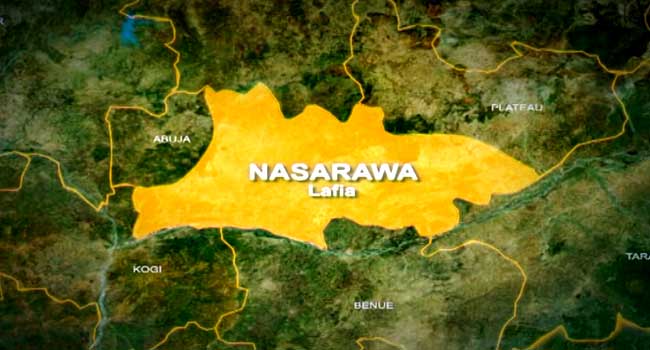
The Crushing Cost of Fire Disasters in Nasarawa State: A Year in Review
Nasarawa State, a region in central Nigeria, has experienced a devastating year of fire disasters, resulting in an estimated N6.5 billion in property losses across its 13 local government areas. This staggering figure was revealed by Eno Nwachukwu-Kelechi, the State Controller of the Federal Fire Service (FFS), during the launch of the agency’s Fire Week Awareness Campaign Programme in Lafia, the state capital. Despite these losses, the FFS played a crucial role in mitigating the overall impact, successfully saving property worth an estimated N15 billion throughout the year. The campaign aimed to educate residents about fire prevention and empower vulnerable individuals, including those with physical or mental disabilities, to respond effectively to fire emergencies.
The Harmattan Hazard: A Season of Elevated Fire Risk
The timing of the awareness campaign is particularly crucial, coinciding with the onset of the harmattan season. This dry, dusty period, characterized by winds blowing from the Sahara Desert, significantly increases the risk of fire outbreaks. Nwachukwu-Kelechi emphasized the harmattan’s historical link to heightened fire incidents globally, highlighting the need for increased vigilance and preparedness. The Fire Week initiative serves not only to raise awareness but also to showcase the FFS’s commitment and readiness to combat fire outbreaks and minimize their impact on the state. The program underlines the urgency of fire safety measures during this high-risk period.
Combating Fire Disasters: The FFS’s Multi-Pronged Approach
The FFS in Nasarawa State has been actively engaged in combating fire outbreaks, responding to a total of 127 fire calls during the past year. Nwachukwu-Kelechi expressed gratitude to the Controller General of the Federal Fire Service, Jaji Abdulganiyu, for his continuous support and encouragement towards the state command’s efforts. The FFS’s primary goals in Nasarawa State include enhancing fire safety awareness, identifying potential fire threats, and analyzing the associated risks. Their overarching aim is to foster a culture of safety and create an environment free from fire and related disasters through professional risk assessment and mitigation.
Strengthening Fire Safety Consciousness: A Collective Responsibility
To achieve these goals, the FFS emphasizes the importance of a proactive and collaborative approach. They advocate for increased fire safety awareness and publicity, encouraging citizens to be mindful of potential hazards and adopt preventive measures. Identifying fire threats and analyzing potential risks involves meticulous assessment of various factors that contribute to fire incidents. This includes examining environmental conditions, infrastructure vulnerabilities, and human behaviors. By understanding the specific risks present in different communities, the FFS can tailor its prevention and response strategies effectively.
Promoting a Culture of Safety: Empowering Communities Through Education
A key component of the FFS’s strategy is promoting a culture of safety. This involves educating individuals, communities, and organizations about fire safety practices. The awareness campaign plays a crucial role in disseminating this knowledge, reaching out to diverse groups, including vulnerable populations, to ensure that everyone is equipped with the necessary skills and information to protect themselves and their property from fire. This emphasis on education empowers communities to actively participate in fire prevention and preparedness efforts.
Collaborative Partnerships: Fostering a Unified Response
Collaboration is another vital aspect of the FFS’s work. The launch of the Fire Week Awareness Campaign saw the participation of various stakeholders, including representatives from the Nasarawa State Fire Service, Nigerian Army, Nigeria Security and Civil Defense Corps, Nigerian Correctional Service, National Drug Law Enforcement Agency, and the Nasarawa State Traditional Rulers Council. The presence of these organizations underscores the importance of interagency cooperation in effectively addressing fire disasters. Engaging local communities and traditional leaders is essential for building a unified approach to fire safety. The Nasarawa State Commissioner of Police, Umar Nadada, represented by ACP Abdulazeez Aliyu, commended the FFS personnel for their dedication and urged them to enhance their response times, particularly during the harmattan season. This highlights the ongoing efforts to strengthen collaboration and optimize emergency response protocols.








