









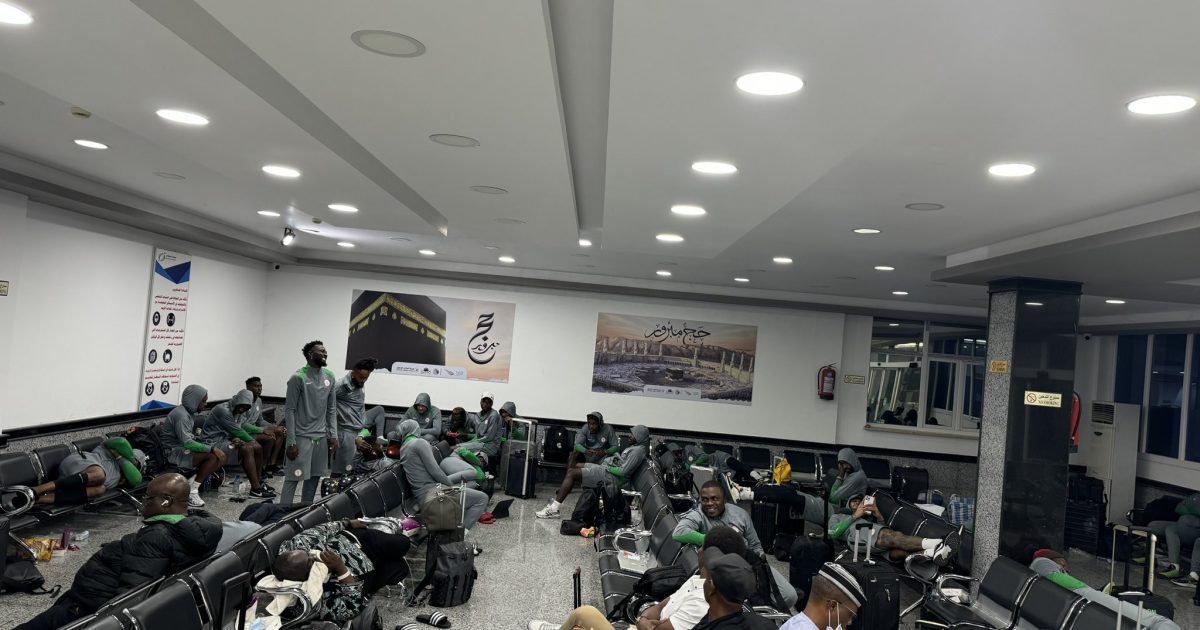
The recent incident involving Nigeria’s national football team, the Super Eagles, has elicited significant outrage from the National Assembly following their harrowing experience at Al-Abraq International Airport in Libya. After being stranded for over 18 hours as they attempted to participate in the African Cup of Nations qualifiers, members of the Senate and House of Representatives articulated their condemnation of the Libyan authorities’ treatment of the players. Sumaila Kawu, Chairman of the Senate Committee on Sports, highlighted the “inhumane” situation faced by the team during a plenary session, reinforcing the need for accountability and an official apology from Libyan authorities. This experience has provoked discussions around diplomatic relations and the necessity for respect towards national teams during such international events.
During the sessions, Deputy Senate President Jibrin Barau further stressed the severity of the incident, referring to the treatment of the Super Eagles as “terrible and condemnable.” Both he and Kawu expressed a desire to avoid escalating tensions between Nigeria and Libya while still advocating for the appropriate diplomatic response to rectify the situation. Their statements reflect a broader concern for the welfare of national representatives abroad and demonstrate the importance of safeguarding sportsmanship in international engagements. The underlining sentiment was one of solidarity with the team while also calling for action against those responsible for the unfortunate incident, emphasizing that athletes should be treated with dignity.
Senate President Godswill Akpabio, through his Special Adviser, added his condemnation of the Libyan officials’ actions, deeming the incident a clear violation of international standards of fair play and sportsmanship. His call for a deep investigation into the conduct of the Libyan authorities underscores the potential ramifications of their actions on Nigeria’s international image and relationships. Akpabio has also demanded that the Confederation of African Football (CAF) take action, seeking sanctions against those involved in this embarrassing episode, thus highlighting the need for accountability not only on a national level but also within the broader football community.
The House of Representatives, in a session prompted by a motion from Chairman Kabiru Amadu, echoed similar sentiments. They collectively resolved to summon the Libyan Ambassador for questioning regarding the incident and instructed their committees on Foreign Affairs and Sports to scrutinize the matter further. This show of unity in addressing such an abrupt situation reflects the seriousness with which the legislature perceives the implications not only for Nigerian sports but also for international diplomatic decorum. Amadu’s remarks illustrated the collective frustration at the handling of the Super Eagles’ situation and established a pathway for official complaint submissions to CAF.
Concerns were raised about the circumstances surrounding the diversion of the Super Eagles’ flight to Al-Abraq, noted for its lack of adequate facilities, especially considering the team’s unexpected arrival at 14:00 on October 13, 2024. Reports indicated that despite being a small airport usually reserved for hajj operations, Libyan authorities restricted the players’ movement, leaving them without basic necessities such as food and internet access. Amadu highlighted how the players were effectively held hostage within the airport confines, raising significant questions about the conduct and operational preparedness of the Libyan officials regarding the hospitality provided to visiting teams.
The overarching response from both chambers of the National Assembly signifies a powerful political statement against any form of mistreatment towards athletes and sets a precedent for future interactions with foreign entities regarding the welfare of national teams. Members like Chris Nkwonta articulated the underlying frustration within the Nigerian populace concerning the incident, culminating in a consensus to advocate for changes to ensure this predicament does not recur. The profound concern expressed reflects a desire to fortify the principles of respect and honor that should govern international sports, incorporating a call for solid institutional measures to protect athletes competing at international levels.









