









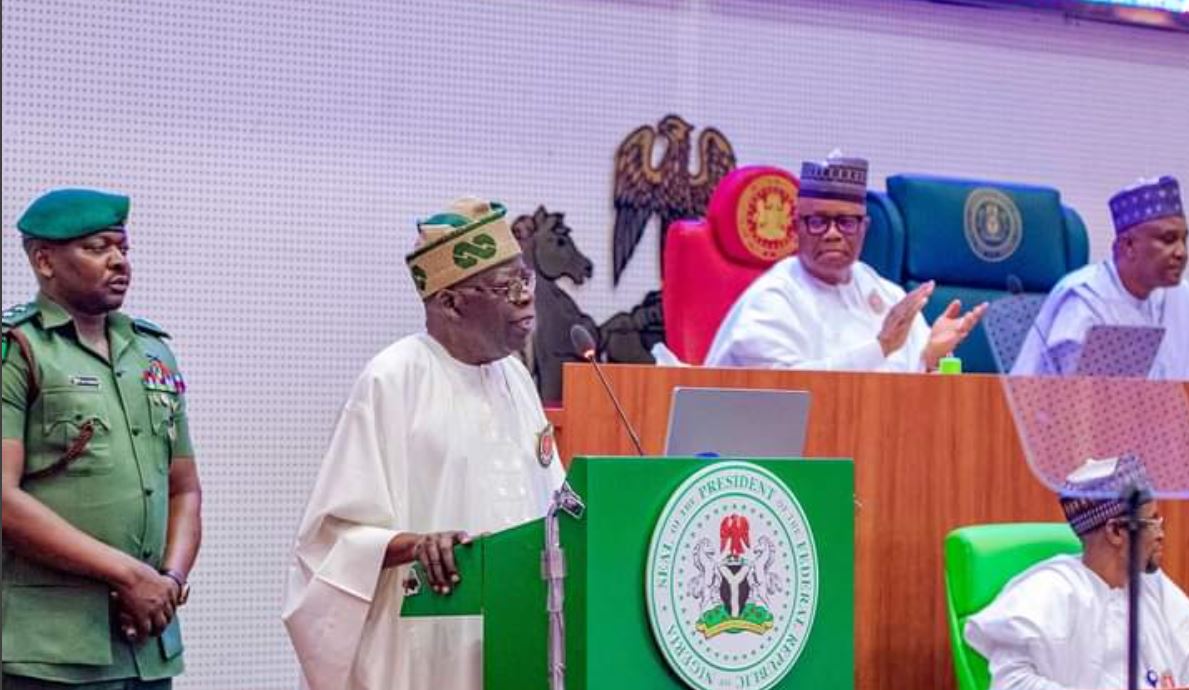
The recent actions of the National Assembly have sparked criticism, particularly concerning its rapid approval of loan requests from President Bola Tinubu. Experts warn that the assembly’s swift endorsement of a $2.2 billion loan—granted just 48 hours after it was presented—could plunge Nigeria further into an unstable financial situation without proper scrutiny. The presentation of this loan request coincided with the broader fiscal strategy set for the upcoming year and is part of Nigeria’s external borrowing plan for 2024. Currently, Nigeria’s public debt stands at an alarming N138 trillion, following several previous loans and additional debts added earlier this year.
In the wake of President Tinubu’s appropriation amendment bill and several other loan requests, the National Assembly has displayed a pattern of expedited approvals. Tinubu’s overtures included Treasury withdrawals for both capital and recurrent expenditures, along with allowances for various loans aimed at workforce palliatives due to the removal of a petrol subsidy. Critics note that the National Assembly’s tunnel vision in granting these requests shows a disengagement from its constitutional duty to effectively oversee and scrutinize the executive branch’s financial activities.
Auwal Rafsanjani, Executive Director of the Civil Society Legislative Advocacy Centre, has notably criticized the National Assembly for operating like a rubber stamp rather than as a check on the executive. He emphasizes that legislators should prioritize Nigeria’s interests over aligning with presidential demands. Similarly, legal experts like Victor Opatola have pointed to the constitutional requirement for the National Assembly to rigorously assess financial requests, ensuring that obligations taken on are thoroughly evaluated. The scrutiny of how taxpayers’ funds are allocated and the effectiveness of past loans is essential in legitimizing new borrowing initiatives.
The accelerated approval of loans by the National Assembly has raised concerns regarding a potential lack of accountability to the electorate. Ebun-Olu Adegboruwa, Senior Advocate of Nigeria, advocates for public vigilance in demanding accountability from representatives regarding rising debt levels. He warns that reckless borrowing, without tangible benefits for the populace, could lead to generational debt burdens. This sentiment is echoed by other activists, including Prof. Chris Nwaokobia, who critiques the legislature’s apparent alignment with the executive, undermining the principles of checks and balances vital for a healthy democracy.
Critics have increasingly characterized the National Assembly as an extension of the executive rather than a separate, independent branch of government. There are calls for citizen participation in decision-making processes for loan approvals, emphasizing that lawmakers must consider the implications of debt on the populace. High Chief George-Hill Anthony advocates for a participatory governance model where the citizens’ voices influence legislative decisions, underlining that neglecting this civic engagement is a form of political bullying.
To restore the integrity and responsibility of the National Assembly, experts insist on a significant reevaluation of its oversight role. There is a consensus that legislative accountability must be enhanced to protect against hasty approvals that could financially encumber future generations. Urging lawmakers to reflect on the impact of their decisions and to ensure accountability regarding how funds are utilized will go a long way in securing better governance for Nigeria. Without such measures, the rapid trend of debt accumulation threatens to destabilize the nation’s finances and compromise its democratic integrity.









