The National Democratic Congress (NDC) in the Savelugu constituency has vehemently contested the declared victory of the New Patriotic Party (NPP) parliamentary candidate, Hajia Fatihiya Abdul-Aziz, in the recent elections. The NDC alleges that the electoral process was marred by significant irregularities, including over-voting, vote-buying, and intimidation tactics involving gun threats, all of which they claim unfairly swayed the results in favor of the NPP. These accusations have created a volatile political atmosphere in the constituency, with the NDC demanding an investigation into the alleged misconduct and hinting at potential legal challenges to the election outcome.
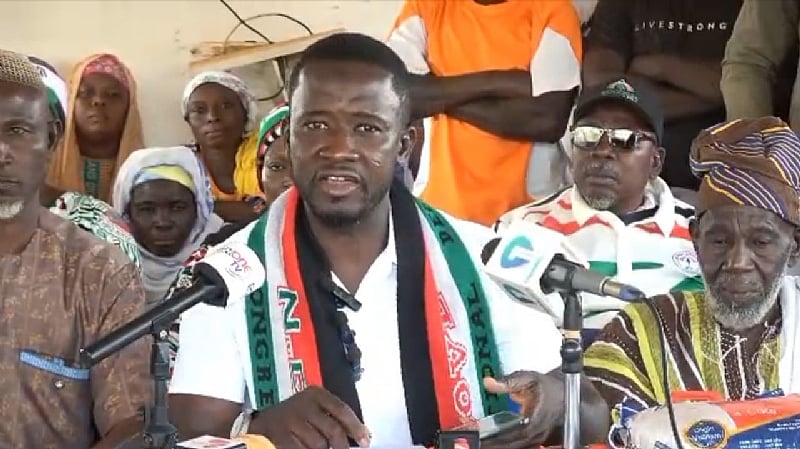
The core of the NDC’s complaint revolves around what they describe as a compromised voting process. The party’s constituency Communications Officer, Nyaba Abass, detailed these concerns in a press briefing, highlighting instances of alleged procedural breaches. According to Mr. Abass, a significant number of voters were allowed to cast their ballots without undergoing the mandatory biometric verification process, a critical step designed to prevent multiple voting and ensure the integrity of the electoral process. Furthermore, the NDC alleges that some individuals were given more than one ballot paper, enabling them to vote multiple times, thereby artificially inflating the vote count for the NPP candidate. These alleged violations, according to the NDC, fundamentally undermined the fairness and transparency of the election and cast serious doubts on the legitimacy of the declared results.
Beyond the alleged irregularities in the voting procedure itself, the NDC also accuses the NPP of engaging in vote-buying to influence the electorate. Mr. Abass claimed that bags of rice, a staple food item, were transported into the constituency and distributed to voters as an inducement to cast their ballots in favor of the NPP candidate. This alleged act of vote-buying, the NDC argues, further tainted the electoral process and compromised the free will of the voters. These accusations paint a picture of a calculated effort by the NPP to manipulate the election outcome through illicit means.
The NDC’s allegations extend to the treatment of their polling agents, who they claim were subjected to intimidation and threats of violence throughout the election process. Mr. Abass recounted instances where polling agents were allegedly threatened with guns, forcing them to acquiesce to actions that favored the NPP candidate. This alleged intimidation, according to the NDC, created an environment of fear and coercion, preventing their agents from effectively monitoring the voting process and safeguarding the interests of their party. The NDC argues that this climate of fear effectively silenced their representatives and facilitated the alleged electoral malpractice.
In response to these perceived irregularities, the NDC has unequivocally rejected the declared victory of the NPP’s parliamentary candidate, Hajia Fatihiya Abdul-Aziz, deeming it null and void. They maintain that the announced results do not accurately reflect the will of the people of Savelugu and represent a significant disenfranchisement of their supporters. The party has called upon the Electoral Commission, the body responsible for conducting elections in Ghana, to launch a thorough and impartial investigation into the alleged irregularities and take appropriate action to ensure justice and uphold the integrity of the electoral process. They believe that a failure to address these concerns will undermine public trust in the electoral system and create a dangerous precedent for future elections.
The escalating controversy in the Savelugu constituency has heightened political tensions, with both the NDC and NPP firmly entrenched in their respective positions. The NDC’s allegations have cast a shadow over the election outcome, raising serious questions about the fairness and transparency of the process. As the dispute unfolds, the NDC has indicated its intention to pursue legal action to challenge the declared results, signaling a protracted legal battle that could further deepen the political divide in the constituency. The outcome of this dispute will have significant implications for the political landscape of Savelugu and could serve as a test case for the robustness of Ghana’s electoral system.