





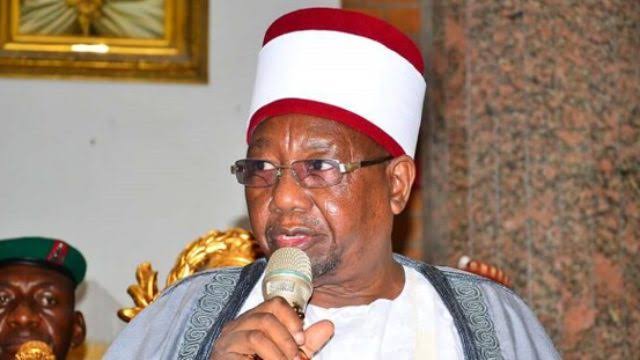
The Shehu of Borno, Alhaji Abubakar Garbai El-Kanemi, a prominent figure in Nigeria’s traditional leadership, underscored the paramount importance of unity, peace, and understanding as indispensable elements for the nation’s progress and development. Speaking at the 2024 Deba Cultural Festival, organized by the Deba Emirate Foundation, the Shehu emphasized that cooperation among all Nigerians is the cornerstone upon which peace and development can be effectively built. He stressed that the diverse ethnicities and religious beliefs within Nigeria should not be seen as dividers but as strengths that can be leveraged to foster a harmonious and prosperous nation. His message resonated strongly with the theme of the festival, which aimed to celebrate cultural heritage and promote peaceful coexistence.
El-Kanemi’s call for unity was further amplified by his emphasis on the role of traditional rulers in peacebuilding. As the Chairman of the Borno State Council of Emirs and Chiefs, he highlighted the significant influence traditional leaders wield within their communities. He urged the government and all stakeholders to actively engage and collaborate with traditional institutions to leverage their authority and deep-rooted community connections in fostering peace and resolving conflicts. This collaboration, he argued, would be instrumental in effectively addressing the root causes of unrest and building bridges of understanding between different groups.
The Shehu’s message of unity and collaboration extended beyond the immediate context of the Deba Cultural Festival. Referencing the strong historical ties between the people of Gombe and Borno, he highlighted the shared experiences and mutual support that have characterized their relationship. Recalling the devastating flood disaster that impacted Gombe State in September 2024, he acknowledged the compassionate response from Borno, including the visit of the Deputy Governor and the Emir of Deba to Maiduguri, demonstrating the solidarity and empathy that bind the two states. This example served to underscore the importance of inter-community support and collaboration in times of crisis, further reinforcing the message of unity and shared destiny.
The Emir of Deba, Alhaji Ahmad Usman, echoed the Shehu’s sentiments, emphasizing the vital role of traditional institutions in achieving sustainable development. He traced the rich history of Deba, connecting its origins to Yemen and highlighting its status as the cultural heartland of the Tera people. This emphasis on cultural heritage served as a reminder of the importance of preserving and celebrating traditions as a means of strengthening communal identity and fostering a sense of belonging. By acknowledging and respecting diverse cultural backgrounds, the Emir suggested, a stronger foundation for unity and progress can be established.
Other notable figures at the Deba Cultural Festival added their voices to the calls for unity and cultural preservation. Speaker of the House of Representatives, Tajudeen Abbas, represented by Adamu Randa, lauded the organizers of the festival and pledged to replicate similar initiatives in his constituency. His donation of N5 million demonstrated tangible support for the promotion of culture and underscored the significance of such events in strengthening social cohesion. Gombe State Governor, Muhammadu Yahaya, represented by Deputy Governor Dr. Manassah Jatau, advocated for concerted efforts to prioritize culture and tradition. Jatau argued that cultural values play a crucial role in shaping moral character and preventing social vices. Drawing on his international experience, he highlighted how other countries proudly embrace their traditions, suggesting that a similar approach in Nigeria could contribute to reducing criminal activities and fostering a more responsible and ethical society.
In essence, the Deba Cultural Festival served as a platform for prominent leaders to advocate for unity, peace, and the preservation of cultural heritage. The Shehu of Borno’s emphasis on cooperation and collaboration, coupled with the Emir of Deba’s focus on the role of traditional institutions, underscored the importance of engaging all segments of society in the pursuit of peace and development. The support from national and state government representatives further solidified the commitment to these ideals, setting a positive tone for continued efforts to build a more unified and prosperous Nigeria. The festival showcased the powerful potential of cultural events to bring people together, foster understanding, and promote shared values, ultimately contributing to a stronger and more harmonious nation.








