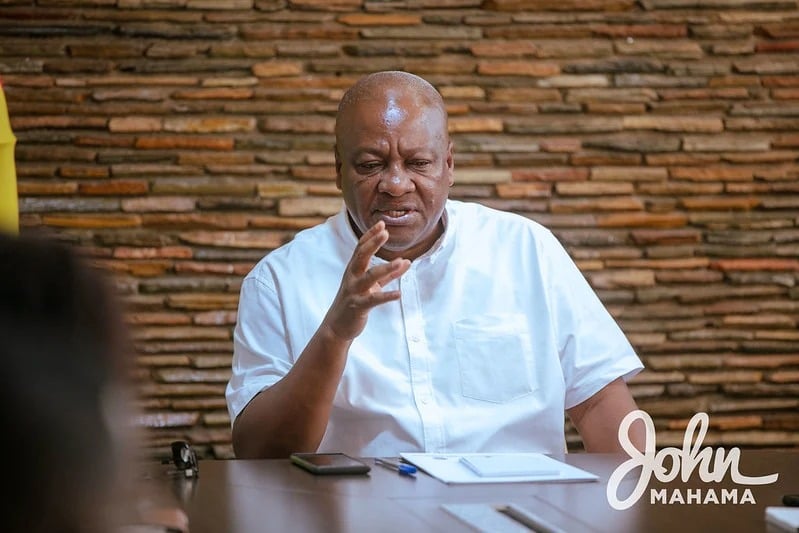
The National Democratic Congress (NDC) is set to establish a National Employment Trust under its next government, according to former President John Dramani Mahama. This initiative is designed to manage investment funds that will operate based on professional market principles, aiming to support sectors where traditional banks typically hesitate to invest despite high growth and job creation potential. Mahama emphasized that the Trust will address the existing risk landscape in these sectors, thus facilitating access to financial resources needed for growth.
In outlining the Trust’s objectives, Mahama stated that it will have specific mandates and annual funding targets for priority sectors. His plan is to catalyze investments in approximately 1,500 enterprises over a four-year period, forming a key component of the NDC’s “Jobs for All” strategy. The idea is that by providing this catalytic financial support, small and medium-sized enterprises (SMEs) involved in the 24-Hour Economy will become more viable, thereby making them more attractive for commercial lenders who may be looking to invest. By fostering a more accessible business environment for SMEs, the NDC seeks to stimulate job growth and economic stability.
Mahama also discussed the importance of technology in job creation, highlighting an investment program focused on promoting entrepreneurship and innovation in sectors such as creative arts, tourism, and micro-level financial intermediation. This “technology for job creation” initiative aims to not only drive economic development but also to nurture creative talents and expand market opportunities. By investing in these dynamic sectors, the NDC intends to create a more vibrant economy that can address the diverse needs of Ghanaian society.
Another cornerstone of Mahama’s plan is the “Levelling’ Up” initiative, which aims to achieve equity for marginalized groups, including youth, women, and persons with disabilities in the job market. This program seeks to implement equitable employment policies to empower these underserved populations, ensuring that they have better access to job opportunities. The NDC’s strategy to promote inclusivity represents a significant shift towards recognizing the diverse challenges faced by these groups and addressing systemic barriers that have historically limited their participation in the economy.
Furthermore, Mahama indicated that the NDC plans to empower vulnerable workers in the informal economy through collaboration with the Trade Union Congress (TUC), civil society organizations (CSOs), and private sector associations. This collaboration would aim to establish and strengthen democratic, independent, and membership-based organizations that represent various categories of workers, including self-employed individuals and wage workers in the informal sector. This initiative recognizes the importance of formalizing informal work to enhance job security and provide better working conditions for these laborers.
In conclusion, Mahama urged the Ghanaian electorate to support the NDC in the upcoming presidential and parliamentary elections. He stressed that a victory for the NDC is crucial for implementing these economic management strategies aimed at resetting the nation and fostering a path of recovery. By focusing on job creation, equitable economic policies, and supporting vulnerable workers, the NDC aims to position Ghana on a trajectory towards sustainable growth and prosperity for all its citizens. The proposed initiatives reflect a comprehensive framework intended to address immediate economic challenges while paving the way for future developments.