









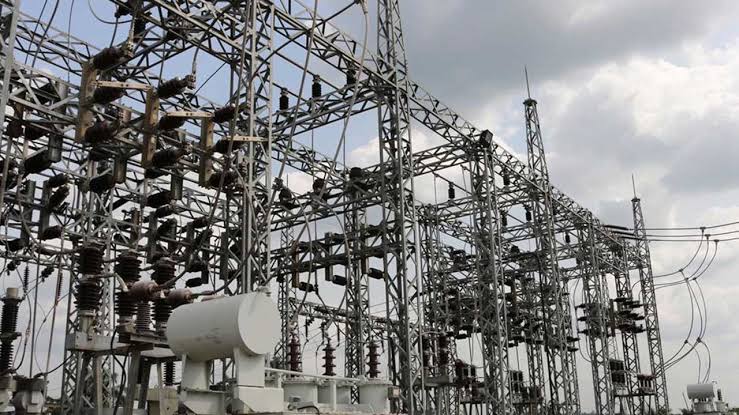
The Nigerian power grid experienced a significant disruption on Friday, July 3, 2025, leading to widespread power outages across the country, particularly in Lagos. This incident occurred against the backdrop of recent government pronouncements celebrating a milestone achievement of 6,000MW peak power generation. The system collapse resulted in a dramatic drop in power generation from approximately 4,000MW to below 1,000MW within a short span, plunging many areas into darkness. While the peak generation for the day had reached 5,284MW at 5 am, by 4 pm, it had plummeted to a mere 803MW, indicating the severity of the grid failure. Several power generation plants struggled to reconnect to the national grid, further delaying the restoration of power supply.
The Eko Electricity Distribution Company (Eko DisCo), one of the major electricity distribution companies in Nigeria, subsequently confirmed the restoration of the national grid and assured its customers that power supply was being gradually restored to their feeders. This announcement followed public notices from other distribution companies, such as Ikeja Electric, informing their customers about the system outage and the ongoing efforts to restore power. The collaborative approach between the distribution companies and other stakeholders played a crucial role in addressing the situation and minimizing the impact on consumers.
The power outage highlighted the persistent challenges facing Nigeria’s electricity sector despite the reported increase in peak generation capacity. The fragility of the national grid and its susceptibility to system collapses remain a significant concern, impacting businesses, households, and the overall economy. The incident underscored the need for robust infrastructure development, improved grid stability, and effective contingency plans to mitigate the effects of such disruptions. Further investigation into the root cause of the system collapse will be crucial in preventing similar incidents in the future and ensuring a more reliable power supply for the nation.
The timing of the grid collapse, coinciding with the government’s celebration of increased power generation, raised questions about the sustainability of the reported progress and the underlying vulnerabilities within the power sector. The incident served as a stark reminder of the complex interplay between generation capacity, transmission infrastructure, and distribution networks in delivering a stable and reliable power supply. While achieving higher peak generation is a positive step, it is equally critical to address the systemic issues that contribute to grid instability and frequent power outages.
The power outage also brought into focus the importance of effective communication between electricity distribution companies and their customers. The timely public notices issued by Eko DisCo and Ikeja Electric, informing customers about the outage and the restoration efforts, played a vital role in managing expectations and minimizing public anxiety. Transparent and proactive communication during such incidents is essential for building trust and ensuring public understanding of the challenges faced by the power sector.
Looking ahead, the Nigerian government and relevant stakeholders must prioritize investments in strengthening the national grid, enhancing grid management capabilities, and promoting diversification of power generation sources. A comprehensive approach that addresses the entire power value chain, from generation to distribution, is crucial for achieving sustainable and reliable electricity supply for the nation. Furthermore, fostering a culture of accountability and transparency within the power sector is essential for building public confidence and driving continuous improvement in service delivery. The incident serves as a valuable learning opportunity to identify weaknesses and implement necessary reforms to prevent future disruptions and ensure a more resilient power system for Nigeria.









