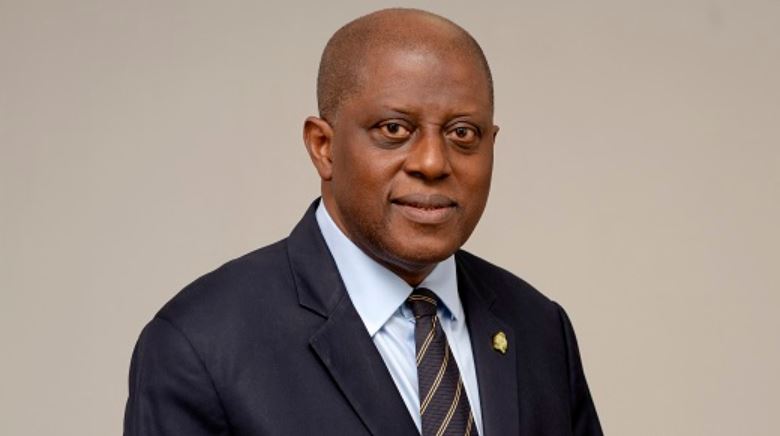
The National Theatre in Iganmu, Lagos, a once-famed cultural landmark that fell into disrepair and abandonment, has been reborn. Its comprehensive renovation, spearheaded by the Bankers’ Committee and supported by the Federal Government, signifies a new dawn for Nigeria’s creative sector and promises to unlock vast economic potential. Central Bank Governor Olayemi Cardoso, during a tour of the revitalized edifice, hailed the project as a testament to Nigerian resilience and a catalyst for prosperity. He emphasized the theatre’s potential to generate substantial revenue, estimated at $25 billion, which would not only benefit creatives but also ripple through the entire Nigerian economy.
Cardoso’s visit, accompanied by his deputy governors and several bank managing directors, underscored the collaborative effort between the public and private sectors in realizing this ambitious undertaking. The renovation, initiated in July 2021, represents a significant investment in Nigeria’s cultural heritage and its future economic growth. The governor expressed his deep personal connection to the National Theatre, recalling its vibrant past during FESTAC ’77 and lamenting its subsequent decline. He lauded the Bankers’ Committee for their vision and unwavering commitment to restoring the iconic structure to its former glory, overcoming numerous challenges along the way.
The revitalized National Theatre stands as a symbol of national pride and a tangible representation of Nigeria’s rich cultural tapestry. Cardoso urged all Nigerians to embrace ownership of this restored landmark, emphasizing that its preservation is a collective responsibility. He stressed the importance of maintaining the theatre, not just by the Bankers’ Committee, but by every citizen, recognizing its significance as a repository of Nigerian history and culture. The theatre’s intricate design, incorporating elements of Nigerian heritage, elevates it beyond a mere building, transforming it into a powerful emblem of national identity.
The governor articulated his belief that the successful public-private partnership that facilitated the theatre’s transformation will serve as a model for future collaborations. He expressed confidence that the project’s success will inspire similar initiatives, showcasing the potential for synergistic efforts between different sectors. The anticipated prosperity of Nigerian creatives, fueled by the revitalized theatre, will not only enrich the creative industry but also generate positive spillover effects across the broader economy. This success story, Cardoso believes, will send a strong signal about the power of collaboration and its ability to drive economic growth.
The tour of the renovated facility included a distinguished group of financial leaders, highlighting the banking sector’s commitment to the project. Among those present were the Managing Director/Chief Executive Officer of Nigeria Deposit Insurance Corporation, Bello Hassan, and the Managing Directors of several prominent Nigerian banks, including FirstBank, United Bank for Africa, Zenith Bank, Fidelity Bank, Wema Bank, Parallex Bank, and Ecobank Nigeria. Their presence reinforced the strong partnership between the financial sector and the government in driving impactful projects that benefit the nation.
The restoration of the National Theatre signifies more than just a physical renovation; it represents a renewed investment in Nigeria’s cultural identity and its economic future. The project’s success is a testament to the power of collaboration and the enduring Nigerian spirit. The revitalized theatre stands poised to become a hub for creativity, a catalyst for economic growth, and a source of national pride for generations to come. The anticipated flourishing of the creative sector, spurred by this renewed platform, is expected to create a ripple effect of prosperity, touching not only creatives but all Nigerians, ushering in a new era of economic development and cultural vibrancy.