





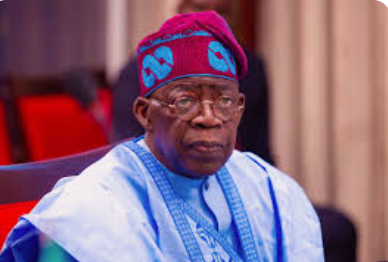
President Bola Tinubu’s announcement of a 30-day national youth conference during his Independence Day broadcast in 2024 was initially met with a mixture of hope and skepticism. The conference, slated to address critical issues plaguing Nigerian youth, including unemployment, education, and political participation, was seen as a potential response to the youth-led protests that had rocked the nation, such as the #EndBadGovernance and #FearlessOctober movements. The President emphasized the conference’s aim to foster meaningful dialogue and empower young people in nation-building, envisioning it as a platform for youth voices to shape policies directly impacting their lives.
However, the initial optimism surrounding the conference gradually morphed into frustration as months passed without any concrete updates from the presidency. Various youth groups, including the Arewa Youth Consultative Forum (AYCF), Yoruba Youths Council, Ohanaeze Ndigbo Worldwide, and the Ijaw National Congress, expressed their disappointment, accusing the Tinubu administration of neglecting its commitment to address the challenges facing Nigerian youth. They viewed the delay as a sign of the government’s lack of genuine interest in youth development and a missed opportunity for meaningful engagement.
The AYCF President, Zaid Ayuba, articulated the disappointment felt by many young Nigerians. He pointed out the discrepancy between the President’s pronouncements and the lack of subsequent executive action. Ayuba stressed the importance of the conference as a platform for youth to present innovative ideas and contribute to national progress, emphasizing that the delay marginalized a significant demographic. Similarly, Eric Oluwole, President of the Yoruba Youths Council, lamented the continued neglect of youth by the Tinubu administration and highlighted the need for increased youth inclusion in governance, given their significant proportion of the population.
Other prominent voices echoed these concerns. Dr. Alex Ogbonnia, spokesperson for Ohanaeze Ndigbo Worldwide, argued that the delay undermined the administration’s credibility and integrity, while Ezonebi Oyekemeagbegha, National Publicity Secretary of the Ijaw National Congress, warned of potential disengagement and apathy among youth if the conference remained unfulfilled. He stressed the urgency of addressing escalating unemployment, brain drain, and social unrest among young people. In contrast, Peluola Adewale, Secretary of the Democratic Socialist Movement, dismissed the conference as a “diversionary tactic” to placate youth during the protests, suggesting that the government’s lack of follow-through indicated a lack of sincerity from the outset.
Responding to mounting pressure and inquiries, the Federal Government finally announced in late 2024 that the conference was scheduled for February 2025. Ayodele Olawande, the Minister of Youth Development, outlined a revised format for the conference, emphasizing a grassroots approach. He explained that delegates would spend three weeks engaging with youth at the local level before convening in Abuja for a final week of review and action planning. Olawande emphasized that this revised structure aimed to ensure a more action-oriented and result-oriented approach, learning from the perceived shortcomings of previous conferences. He also revealed that President Tinubu would inaugurate selected delegates in mid-January 2025.
The Minister highlighted the importance of engaging with youth at the grassroots level, gathering insights and perspectives directly from the communities most affected by the challenges. This approach, he argued, would ensure that the conference’s recommendations were grounded in reality and addressed the specific needs of young Nigerians. He reiterated the commitment to creating an implementation task force to ensure that the conference’s recommendations translated into concrete actions, including executive orders and legislative proposals. Despite the delayed timeline, the government’s announcement provided a degree of reassurance to youth groups and stakeholders, although concerns about implementation and follow-through remained. The National Association of Nigerian Students (NANS), while welcoming the announcement, urged the government to expedite the process and emphasized their demand for increased youth participation in government, advocating for at least 50% representation in leadership and decision-making positions. The upcoming conference, therefore, carries significant weight, representing not only a platform for dialogue but also a test of the government’s commitment to meaningfully address the concerns and aspirations of Nigerian youth.








