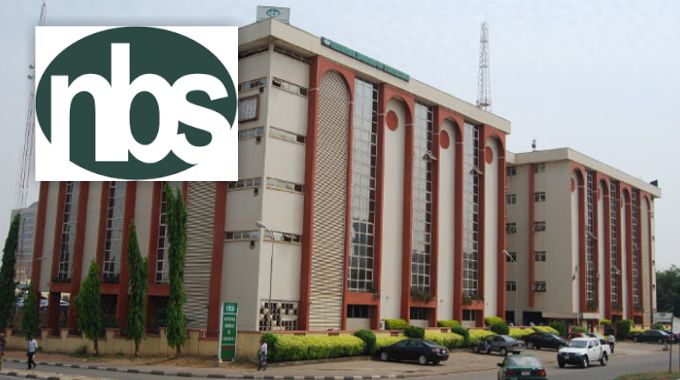
The National Bureau of Statistics (NBS) of Nigeria has proposed a N9.85 billion budget for 2025, with a significant allocation of N35 million earmarked for bolstering cybersecurity and data centre management capabilities. This investment comes in the wake of a cyberattack in December 2024 that compromised the NBS website and disrupted its operations for approximately a week, underscoring the agency’s vulnerability to digital threats and the urgent need to strengthen its defenses. The incident, which forced the NBS to issue a public warning via its official X (formerly Twitter) account, advising the public to disregard any information on the platform until the situation was resolved, highlighted the potential for such attacks to disrupt the dissemination of crucial statistical data and undermine public trust. The cybersecurity allocation is a crucial step towards mitigating future risks and ensuring the integrity and availability of the NBS’s data infrastructure.
Beyond cybersecurity, the proposed budget reflects the NBS’s commitment to enhancing its operational efficiency, modernizing its infrastructure, and improving service delivery across various sectors. Key allocations include N55 million for the National Agricultural Sample Survey, crucial for understanding the agricultural landscape and informing policy decisions; N20 million for compiling satellite accounts in tourism, education, health, and natural resources, enriching the understanding of these sectors’ contributions to the economy; and N50 million each for tracking the implementation of the government’s 8-Point Agenda and developing the System of Administrative Statistics Reports, both essential for monitoring progress and informing policy adjustments. The budget also prioritizes strengthening the legal framework governing statistical activities, allocating N30 million for the revision of the Statistics Act, ensuring the legal robustness and relevance of the NBS’s operations.
The NBS is also investing heavily in capacity building across multiple areas. N45 million is allocated for Reform and Service Delivery Capacity Building, aiming to improve the efficiency and effectiveness of the bureau’s operations. N35 million is dedicated to SDG Tracking, ensuring alignment with global development goals. Further allocations of N25 million each are designated for Financial Management Capacity Building and Sustainable Procurement Methods Capacity Building, promoting financial prudence and responsible resource management within the agency. An additional N10 million is earmarked for enhancing the bureau’s capacity to create informative infographics and statistical reports, improving the accessibility and dissemination of complex data.
Recognizing the importance of labor market dynamics, the NBS has allocated a substantial N500 million for the Labour Force Survey, a critical tool for understanding employment trends and informing labor market policies. The compilation of quarterly GDP by production, expenditure, and income receives N60 million, reflecting the importance of timely and accurate economic data for policymaking. Environmental concerns are also addressed with a N15 million allocation for the Waste Generated Statistics Report, providing valuable data for waste management strategies. Transparency and accountability are further supported by a N10 million allocation for the NBS Annual Report and Quarterly Progress Reports.
Collaboration and stakeholder engagement are prioritized with an N80 million allocation for the National Consultative Committee on Statistics, fostering coordination within the national statistical system. The budget also supports the production of key statistical publications, with N15 million allocated for the Annual Abstract of Statistics and N9 million for the Demographic Statistics Bulletin. Furthermore, the NBS has allocated N36 million for the quarterly production of Foreign Trade in Goods and Trade Intensity Index, providing insights into international trade dynamics.
The NBS’s commitment to monitoring key economic indicators is evident in the allocations for price indices. N40 million is earmarked for the Producer Price Index Production, tracking changes in prices at the producer level, while N80 million is allocated for the Consumer Price Index Production, a crucial measure of inflation and a key input for monetary policy decisions. This reflects the NBS’s crucial role in providing timely and accurate data for economic analysis and policy formulation. The substantial allocation for personnel costs, amounting to N6.65 billion, underscores the importance of investing in human capital to ensure the effective execution of the bureau’s mandate. Overall, the proposed 2025 budget signifies the NBS’s commitment to strengthening its operational capacity, modernizing its infrastructure, and fulfilling its critical role in providing timely and reliable statistical data for national development.