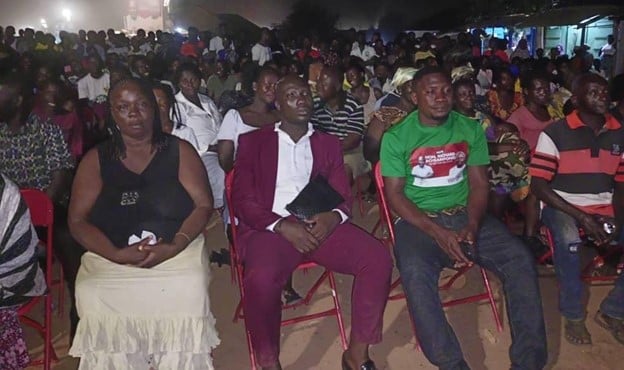
The National Commission for Civic Education (NCCE) recently held an engaging session with the people of Adabokrom in the Bia East District, Western North Region, focused on promoting peaceful participation in the upcoming Presidential and Parliamentary elections. This initiative is part of a broader nationwide strategy designed to increase civic awareness and electoral responsibility among citizens ahead of the December general elections. The NCCE’s approach aims to educate the electorate on the significance of peaceful elections, stressing that tranquility is crucial not only during the electoral process but also before and after the polls to ensure national stability and unity.
Led by Mr. Clifford Thompson, an assistant director from the NCCE’s Operations Department, the discussions included the use of impactful visuals illustrating the harsh realities faced by communities in war-torn regions across Africa, such as insecurity, poverty, hunger, and deprivation. This visual representation served as a compelling reminder of the consequences of electoral violence and instability. The team emphasized that the importance of peace cannot be overstated, urging participants to collectively commit to the values of peace and cooperation as their community approaches the elections. The event saw an impressive turnout, highlighting the community’s receptiveness to the messages being conveyed.
Superintendent Joseph Okrah, the Bia East District Police Commander, also addressed the gathering, assuring attendees of the police’s dedication to ensuring the elections are conducted in a free, fair, and transparent manner. He outlined the measures being put in place, including the deployment of surveillance cameras to monitor the electoral process effectively. This technological reinforcement is intended to deter any potential disruptions and enhance security, providing the community with a sense of safety as they prepare to cast their votes. The commitment from law enforcement is crucial in fostering public trust and encouraging higher voter turnout.
The NCCE program also focused on educating attendees about the voting process itself, with guidance from Mr. Augustine Quaicoe, the District Director of the NCCE. He demonstrated the correct procedures for casting ballots, emphasizing the importance of adhering to these guidelines to minimize the chance of rejected votes. This educational component is vital, as informed voters are less likely to encounter issues at the polls, which can lead to disenfranchisement and lower turnout. By equipping citizens with the necessary knowledge and understanding of the election process, the NCCE aims to empower the electorate and enhance overall democratic participation.
Feedback from participants was overwhelmingly positive, as many expressed appreciation for the valuable insights shared during the session. Community members not only acknowledged the importance of such civic education initiatives ahead of the elections but also indicated a desire for continued engagement post-election. This reflects a recognition of the ongoing need for civic awareness and education, which can help sustain peace and democratic practices in the long term. The enthusiasm expressed by attendees suggests a community eager to deepen its understanding of civic responsibility and the electoral process.
In conclusion, the NCCE’s initiative in Adabokrom serves as an essential component of the broader electoral landscape in Ghana. By fostering a culture of peace and well-informed voting practices, the commission contributes to a more engaged and responsible citizenry. This proactive approach could significantly impact the electoral process, promoting not only peaceful elections but also a more resilient and informed society. As communities continue to call for more educational engagements, it becomes evident that sustained civic education efforts will play a pivotal role in shaping the future of democracy in Ghana.