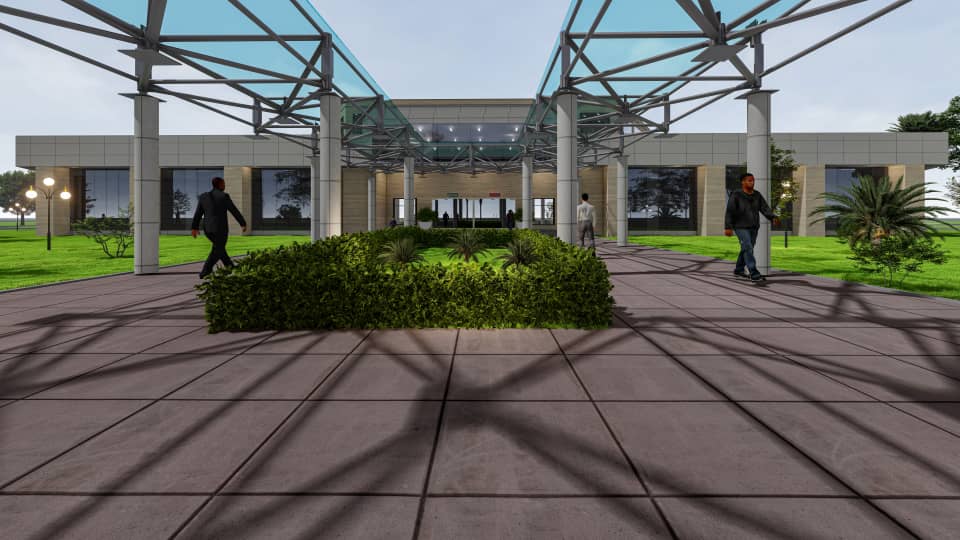
Paragraph 1: The Genesis of the Oloibiri Museum and Research Centre (OMRC)
The Oloibiri Museum and Research Centre (OMRC) project marks a significant milestone in Nigeria’s oil and gas history. Conceived as a tribute to Oloibiri, the birthplace of Nigeria’s commercial oil production, the project aims to immortalize the nation’s hydrocarbon journey, which commenced in 1958. Located in Otuabagi, Ogbia Local Government Area of Bayelsa State, the OMRC is not merely a museum but a multifaceted complex encompassing a research center, a testament to Nigeria’s commitment to indigenous technological advancement in the oil and gas sector. The project is a collaborative effort, spearheaded by the Nigerian Content Development and Monitoring Board (NCDMB) and supported by key industry players and the Bayelsa State Government.
Paragraph 2: Partnerships and Funding for a National Legacy
The OMRC project represents a unique partnership between government agencies and private sector stakeholders, signifying a shared vision for the future of Nigeria’s oil and gas industry. The funding for the project is structured as a collaborative investment, with the Petroleum Development Technology Fund (PTDF) contributing 40%, the NCDMB contributing 30%, Shell Petroleum Development Company (SPDC) and the Nigerian National Petroleum Company Limited (NNPC Ltd) jointly contributing 20%, and the Bayelsa State Government providing the remaining 10%. This collaborative funding model underlines the project’s national importance and the commitment of all stakeholders to its successful realization. The project is registered by guarantee, with the four organizations serving as partners.
Paragraph 3: Contract Execution and Project Timeline
The Engineering, Procurement, and Construction (EPC) contract for the OMRC was awarded to Julius Berger Plc, a renowned construction company, following a competitive bidding process. The contract signing ceremony, held at the NCDMB’s liaison office in Abuja, was a significant step towards the project’s realization. The executive secretary of the NCDMB, Felix Ogbe, executed the contract with Julius Berger Plc. The contract signing officially marked the commencement of construction activities, with a projected completion timeline of 30 months. The contract sum, amounting to N117 billion, reflects the scale and ambition of the OMRC project.
Paragraph 4: The Multifaceted Significance of the OMRC
The OMRC project carries multiple layers of significance, extending beyond its primary function as a museum and research center. It is envisioned as a catalyst for economic growth, both at the state and national levels. The construction phase alone is expected to generate employment opportunities and stimulate local economies. Beyond construction, the center’s operational phase promises to create a new commercial value chain, further boosting employment generation and contributing to economic diversification. Moreover, the project is expected to enhance Nigeria’s indigenous research and development capabilities in the oil and gas sector.
Paragraph 5: A Hub for Education, Research, and Technological Advancement
The OMRC’s research and testing center is designed to be a cutting-edge facility, providing a platform for field trials of indigenous oil and gas technology prototypes. This facility will offer invaluable access to university students in relevant disciplines, fostering a deeper understanding of technological advancements in the sector. The center is also intended to facilitate the commercialization of research, creating a nurturing ecosystem for the development of home-grown technology, thereby reducing reliance on foreign expertise and promoting local innovation.
Paragraph 6: Showcasing Nigeria’s Oil and Gas Heritage and Inspiring Future Generations
The OMRC museum will serve as a repository of Nigeria’s rich oil and gas history, showcasing geological formations, early equipment, tools, and platforms that have shaped the industry’s evolution. This historical showcase will not only educate visitors about the nation’s hydrocarbon journey but also inspire future generations to contribute to the sector’s continued growth and development. The project is a testament to Nigeria’s commitment to preserving its industrial heritage while simultaneously looking towards a future driven by innovation and technological advancement.