





Paragraph 1: Alleged Fertilizer Hoarding in Ashanti Region
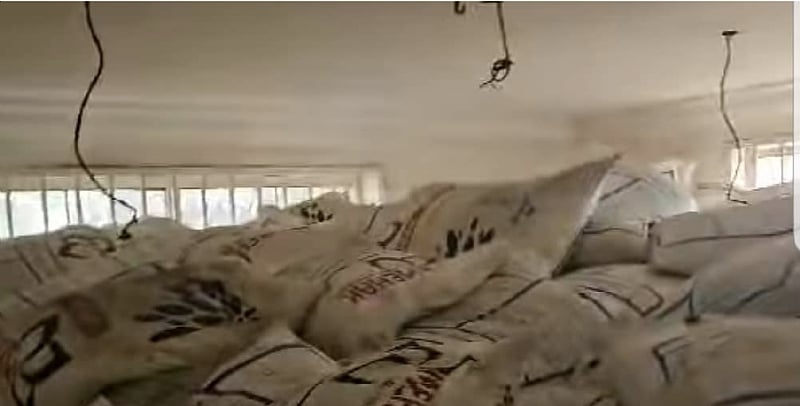
The National Democratic Congress (NDC) in the Ashanti region of Ghana claims to have uncovered a significant stockpile of fertilizers, estimated to exceed 10,000 bags, allegedly concealed by the New Patriotic Party (NPP) in a house located in Sokoban. This discovery was announced through a Facebook post by the NDC’s Deputy General Secretary, Mustapha Gbande, who detailed the incident and expressed his condemnation of the alleged act. The NDC leadership, including National Organizer Joseph Yamin and Captain (Rtd.) Jabari, were present at the scene to inspect the discovered fertilizers. While the identity of the homeowner remains unknown, the NDC has pledged to investigate and pursue legal action against the individual(s) responsible.
Paragraph 2: NDC’s Accusations and Concerns
The NDC alleges that this incident is part of a broader pattern of misconduct by the outgoing NPP government. They suggest that the hoarding of fertilizers, a crucial agricultural input, is a deliberate attempt to sabotage the incoming NDC administration and create artificial shortages. The NDC views this as an act of political sabotage meant to undermine the agricultural sector and create hardship for farmers, thereby negatively impacting food production and the overall economy. The quantity of fertilizer reportedly found raises questions about its intended use and distribution channels.
Paragraph 3: Political Context and Implications
This incident unfolds against the backdrop of the recent presidential election, which saw John Dramani Mahama of the NDC declared the winner. The transition period between administrations is often characterized by heightened political tensions and accusations of wrongdoing. The discovery of the fertilizers adds fuel to the ongoing political discourse, with the NDC accusing the NPP of engaging in unethical practices to maintain control and influence even after losing the election. The timing of the alleged hoarding raises concerns about potential motives, especially given the essential role fertilizers play in Ghana’s predominantly agrarian economy.
Paragraph 4: Investigation and Legal Ramifications
The NDC has initiated an investigation into the matter, vowing to uncover the owner of the house and bring them to justice. They are treating the incident as a serious offense with potential legal ramifications, depending on the ownership and intended use of the fertilizers. If the allegations of hoarding with the intention of creating artificial shortages are substantiated, it could lead to charges of economic sabotage or related offenses. The outcome of the investigation will be crucial in determining the course of legal action and the political fallout of this incident.
Paragraph 5: Impact on Agricultural Sector and Food Security
The alleged hoarding of fertilizers has potential implications for Ghana’s agricultural sector and overall food security. Fertilizers are essential for boosting crop yields and ensuring a stable food supply. If large quantities are indeed being withheld from the market, it could lead to price hikes, reduced agricultural production, and increased hardship for farmers. The timing of this incident, coinciding with the planting season, further amplifies the potential consequences for food production and availability in the coming months.
Paragraph 6: Wider Societal and Political Dynamics
This incident reflects the deeper political and societal dynamics at play in Ghana. The accusations and counter-accusations between the two main political parties highlight the existing polarization and distrust. The alleged hoarding underscores concerns about transparency and accountability in governance, particularly during periods of political transition. The incident also raises broader questions about the management of public resources and the need for effective mechanisms to prevent corruption and ensure equitable distribution of essential goods, such as fertilizers, which are crucial for supporting livelihoods and national food security.








