





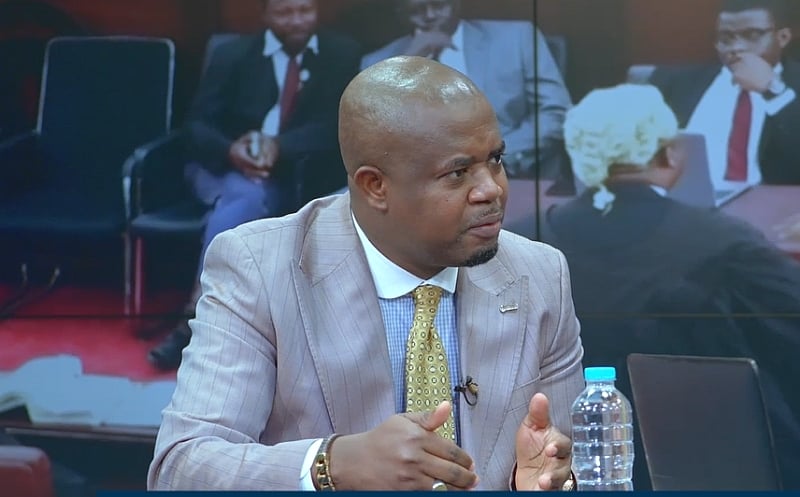
The political landscape in Ghana experienced significant turbulence following the December 2024 general elections, with legal battles erupting over disputed parliamentary results in several constituencies. The New Patriotic Party (NPP), the incumbent party, filed mandamus applications at the Accra High Court against the Electoral Commission (EC), seeking to compel the finalization of collation in four constituencies: Tema Central, Ablekuma North, Okaikwei Central, and Techiman South. These applications were granted by the High Court on January 4, 2025, setting a deadline of January 6, 2025, for the EC to complete the collation process. This ruling, and a related decision issued on January 1, 2025, became the focal point of a fierce legal and political contest between the NPP and the National Democratic Congress (NDC), the main opposition party.
The High Court’s decision, presided over by Justice Forson Agyapong, was based on established legal principles governing mandamus applications. The judge emphasized that for such applications to succeed, the applicants must demonstrate specific grounds, including a lack or excess of jurisdiction by the respondent, an error of law, a breach of natural justice principles, or a failure to perform a mandated public duty. Furthermore, the applicants had to establish the existence of a public duty, a demand for its performance that was subsequently refused, and demonstrable prejudice suffered as a result of the non-performance. The NPP successfully argued that the EC’s delay in completing the collation process constituted a failure to perform its statutory duty and that this delay prejudiced their candidates in the affected constituencies.
In addition to directing the EC to finalize the collation, the High Court also ordered the Inspector General of Police to provide armed security during the collation exercises. This directive aimed to ensure the safety and security of all involved and to prevent any potential disruptions or violence. This measure underscored the heightened political tensions surrounding the disputed results and the potential for unrest. The court’s intervention, while intending to expedite the resolution of the electoral impasse, inadvertently fueled further controversy and legal maneuvering.
The NDC, dissatisfied with the High Court’s rulings, wasted no time in filing a notice of appeal at the Court of Appeal. Their appeal contested both the January 1st and January 4th decisions, arguing against the basis upon which the High Court had granted the NPP’s mandamus applications. The NDC’s legal challenge reflected their broader concerns about the fairness and integrity of the electoral process in the disputed constituencies. They viewed the High Court’s intervention as potentially undermining the due process and jeopardizing the credibility of the final outcome.
The NDC’s appeal further intensified the already charged political atmosphere. Their challenge to the High Court’s decisions represented a significant escalation in the legal battle over the parliamentary results. The party’s move signaled their determination to exhaust all available legal avenues to protect what they perceived as their legitimate interests and those of their candidates. The appeal set the stage for a prolonged legal confrontation, potentially delaying the final resolution of the parliamentary elections and further exacerbating political uncertainties.
The core of the dispute centered on the fundamental principles of electoral law and the interpretation of the EC’s mandate. The NDC’s appeal was expected to scrutinize the High Court’s reasoning, focusing on whether the NPP had adequately demonstrated the necessary grounds for mandamus. Furthermore, the appeal would likely challenge whether the High Court’s intervention was warranted, given the EC’s independent constitutional role in managing elections. The ensuing legal proceedings at the Court of Appeal promised to be complex and closely watched, with significant implications for the final composition of parliament and the overall stability of Ghana’s democratic processes.








