The National Democratic Congress (NDC) has vehemently rejected the re-collated parliamentary election results declared by the Electoral Commission (EC) for several constituencies, alleging manipulation and a subversion of the democratic process. The EC initiated the re-collation process on December 21st, 2023, at its headquarters in Accra. This process resulted in seven parliamentary seats initially declared for the NDC being flipped to the ruling New Patriotic Party (NPP). The NDC, in a press release signed by General Secretary Fifi Fiavi Kwetey, characterized the re-collation and subsequent results as illegal and a direct assault on Ghana’s democratic principles, claiming that the EC’s actions betrayed the will of the Ghanaian people.
The NDC’s core argument centers on the alleged illegitimacy of the re-collation process itself. The party contends that the EC’s actions lacked transparency and were driven by a predetermined agenda to manipulate the results in favor of the NPP. This, they argue, undermines the integrity of the electoral process and disenfranchises voters who cast their ballots for NDC candidates. The NDC’s rejection of the results reflects a deep mistrust in the EC’s impartiality and raises concerns about the overall fairness and credibility of the electoral system. The party’s stance suggests a potential escalation of political tension in the aftermath of the elections.
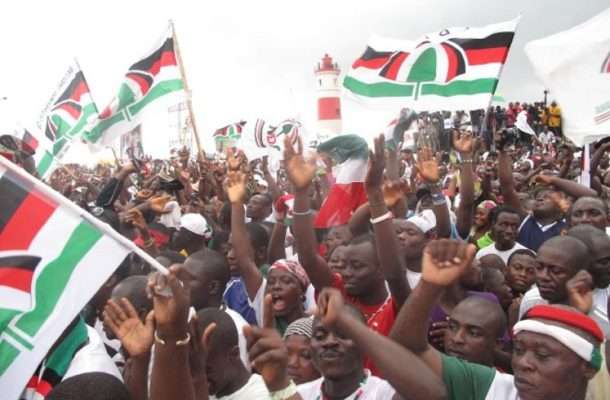
The NDC’s statement further warns both the government and the EC against any further actions perceived as undermining Ghana’s democracy. The party vows to continue mobilizing its supporters and the broader Ghanaian populace to resist any attempts to overturn what they believe to be the legitimate mandate of the people. This call to action signals the NDC’s commitment to challenging the EC’s decision and potentially engaging in protests or other forms of civil disobedience to defend their perceived victory in the contested constituencies. The party’s stance indicates a determination to pursue all available legal and political avenues to rectify the situation.
The seven seats in question represent a significant shift in the parliamentary balance of power, potentially impacting the NPP’s ability to effectively govern. The NDC’s challenge adds another layer of complexity to the already tense political landscape. The party’s rejection of the re-collated results not only casts doubt on the legitimacy of the NPP’s victory in these constituencies but also raises broader concerns about the integrity and transparency of the electoral process. The NDC’s strong stance suggests a prolonged period of political contestation and potential instability.
The implications of this dispute extend beyond the immediate parliamentary seats in contention. The NDC’s allegations of electoral manipulation could erode public trust in the EC and the electoral process as a whole. This could further polarize the political environment and create an atmosphere of uncertainty and distrust. The NDC’s call for resistance raises the specter of social unrest and potential clashes between supporters of the two parties. The situation underscores the urgent need for dialogue and mediation to address the underlying issues and prevent further escalation of the conflict.
Moving forward, the situation requires careful handling by all stakeholders. The EC must address the NDC’s concerns regarding the re-collation process and demonstrate its commitment to transparency and impartiality. The government should facilitate dialogue between the two parties to de-escalate tensions and find a peaceful resolution. International observers and civil society organizations have a crucial role to play in monitoring the situation and advocating for a fair and democratic outcome. The future of Ghana’s democracy hinges on the ability of all parties to uphold the rule of law and respect the will of the people.