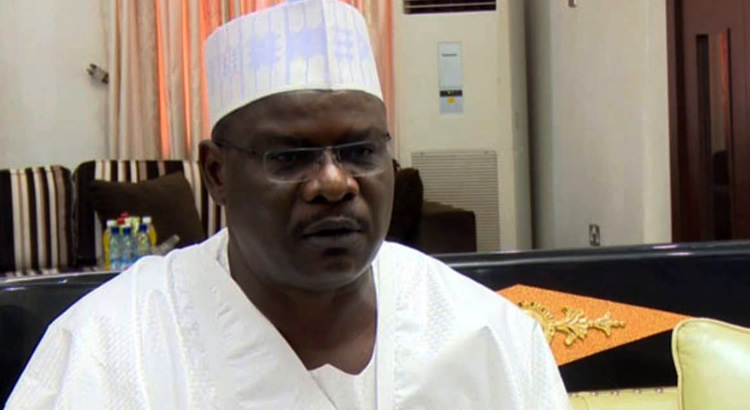
Senator Ali Ndume, representing Borno North Central Senatorial District, recently articulated his opposition to the Tax Reform Bills currently under discussion in the Senate, which passed their second reading. Speaking on Channels Television’s Politics Today program, Ndume claimed that the timing of these bills is off, emphasizing that the nation’s immediate priority should be governance reforms rather than tax reforms. He expressed significant concerns about the implications and methods proposed in the bills, which are part of President Bola Tinubu’s broader tax reform initiative. The Senate approved four key tax bills aimed at establishing bodies such as the Joint Revenue Board, the Tax Appeal Tribunal, and the Office of the Tax Ombudsman, all necessary elements in the proposed tax reform landscape.
Among Ndume’s objections is the critical issue of the timing of the tax reforms, which he believes undermines the urgency of governance reform, a step he deems essential before shifting focus to taxation. He pointed out that the budget allocation for recurrent expenditure and debt servicing amounts to over 50% of the total budget. This allocation sees approximately 15 to 20 trillion naira directed toward personnel costs and debt repayments, signaling an urgent need for holistic government reform beyond just the Executive branch. Ndume posits that with insufficient budget execution—20% still unimplemented—it is imperative for officials to prioritize effective governance ahead of imposing new taxes.
Moreover, Ndume emphasized that for reforms to gain traction, they must reflect the will of the people, highlighting the necessity for buy-in from citizens. In his view, the reforms cannot be successful if they emerge without significant public consensus or engagement, as democracy should embody the government serving the desires of the populace. His stance suggests a fundamental belief that both the timing of policy initiatives and public receptiveness are instrumental in the success of any reform agenda. In this context, the Senator’s focus on the need to engage and inform the citizens prior to implementing major tax changes underscores a critical aspect of democratic governance.
Additionally, the Senator raised concerns about the perception surrounding the Senate’s role in the legislative process, suggesting that viewing the tax bills as mere extensions of presidential initiatives diminishes its credibility and legitimacy. He pointed out that treating the bills as mere “Executive Bills” without proper acknowledgment or consensus from state executives could fortify the narrative that the Senate functions merely as a rubber-stamp institution. This concern, he notes, has been perpetuated by past legislative behaviors, where bills are expedited through the Senate without adequate consideration or debate, leading to a deterioration of trust in legislative processes.
Ndume’s criticisms encapsulate a broader apprehension regarding the relationship between the Executive and Legislative branches in Nigeria. He urges that a fuller and more inclusive approach to governance reform needs to be embraced, allowing for a recalibration of priorities rather than a unilateral push for tax changes. His emphasis on prioritizing effective management of public finances resonates deeply in the current context of Nigeria’s economic struggles, where the overwhelming burden of recurrent expenditures presents serious obstacles to fiscal health and public service delivery.
In conclusion, Senator Ndume’s opposition to the Tax Reform Bills is multi-faceted. It encapsulates concerns over timing, public engagement, the need for governance reform, and the perception of the Senate’s role in the legislative process. His advocacy for a conscientious approach to governance and tax reform reflects a nuanced understanding of the complexities involved in implementing fiscal policies that truly benefit the populace. As the debate continues surrounding the necessity and timing of significant reform measures, Ndume’s perspective serves as an important contribution to the discourse on effective governance and sustainable development in Nigeria.