









Paragraph 1: NEC Approves RMAFC Funding and Legislative Reform
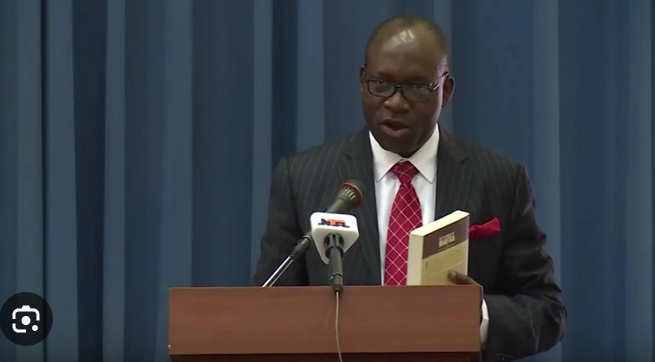
The National Economic Council (NEC), during its 147th meeting chaired by Vice President Kashim Shettima, addressed crucial matters concerning the Revenue Mobilisation, Allocation and Fiscal Commission (RMAFC). The Council approved RMAFC’s request to seek a National Assembly amendment to its existing Act, recognizing the need for a revised legislative framework to empower the commission. A key aspect of this approval involves securing an alternative funding source for RMAFC, essential for its effective operation. NEC endorsed allocating 0.05% of non-oil federation revenue to the commission, subject to further scrutiny by the National Assembly. This decision reflects the Council’s commitment to strengthening RMAFC’s role in fiscal management.
Paragraph 2: RMAFC’s Funding Challenges and Proposed Solutions
The decision to bolster RMAFC’s funding stemmed from a presentation by the commission’s chairman highlighting the organization’s financial constraints. RMAFC plays a vital role in revenue allocation and fiscal matters within the federation, but inadequate funding has hampered its ability to fulfill its mandate effectively. The commission proposed a repeal and replacement of its existing Act, aiming for a more robust legal framework. Furthermore, RMAFC sought an alternative funding mechanism to ensure its operational independence and efficiency. The proposal initially requested 0.75% of non-oil federation revenue, but NEC ultimately approved 0.05%, acknowledging the need for enhanced funding while also considering fiscal prudence.
Paragraph 3: NEC’s Deliberations and Endorsement of RMAFC’s Requests
Following deliberations on RMAFC’s proposal, NEC approved two key recommendations. First, the commission was authorized to forward the draft bill for the repeal and replacement of its existing Act to the National Assembly for legislative consideration. This step signifies the Council’s support for modernizing RMAFC’s legal framework. Second, NEC endorsed the allocation of 0.05% of non-oil federation revenue to the commission as an alternative funding source. This decision aims to address RMAFC’s financial challenges and empower it to execute its mandate effectively. The approved funding is contingent upon the proposed tax reforms and subject to further review by the National Assembly.
Paragraph 4: Renewed Hope Creative Village Initiative and Cultural Preservation
Beyond the RMAFC discussion, NEC also considered a proposal from the Ministry of Arts, Culture, Tourism and Creative Economy concerning the establishment and re-adaptation of historic sites into creative villages, known as the Renewed Hope Creative Village initiative. This initiative aims to repurpose existing historical locations and establish new ones as vibrant hubs for artists, entrepreneurs, and communities. The underlying goal is to blend cultural preservation with innovation, generating economic opportunities and educational benefits. The project seeks to revitalize these spaces while maintaining their historical integrity, creating a dynamic environment that fosters creativity and economic growth.
Paragraph 5: Collaborative Approach and Funding for Creative Villages
The Renewed Hope Creative Village initiative emphasizes collaboration between the federal government and sub-national entities. Governor Babajide Sanwo-Olu of Lagos State highlighted the need for synergy between the Ministry and various states where these historic sites are located. The proposal requested funding support from sub-national governments to facilitate the establishment and operation of these creative villages. NEC acknowledged the importance of collaborative efforts and emphasized the need for the federal government to provide adequate budgetary support to the ministry, enabling it to effectively implement the initiative without solely relying on sub-national contributions.
Paragraph 6: Vice President Shettima’s Remarks on Economic Progress
Vice President Shettima addressed the Council, emphasizing the positive impact of economic reforms and interventions implemented by the federal government in 2024. He noted that the economic seeds sown throughout the year were beginning to bear fruit, citing the 3.46% GDP growth in the third quarter of 2024 as a testament to the collective efforts and sacrifices made by stakeholders. The Vice President urged NEC members to prepare for the upcoming year, focusing on the effectiveness of implemented programs, projects, and policies in advancing the nation’s economic aspirations and prioritizing the collective good. He underscored the importance of evaluating whether decisions and actions taken have truly served the interests of the Nigerian people. The World Bank’s presentation on the current state of the economy further informed the Council’s discussions, providing a timely assessment as the nation enters a period of anticipated economic growth.









