The New Patriotic Party (NPP) in Ghana’s Tolon Constituency has leveled serious accusations of violence and intimidation against the National Democratic Congress (NDC) and its parliamentary candidate, Osman Tahiru Damba, following the December 7, 2024, elections. The NPP alleges that Damba orchestrated violent disruptions on election day, leading to the death of one individual and injuries to others. The alleged incidents centered around the Nyankpala UDS polling station and later spread to Nyankpala township, where roadblocks were erected, preventing some voters from reaching their designated polling stations. The NPP claims these actions were part of a deliberate strategy by the NDC to disrupt the voting process and intimidate potential NPP voters.
The NPP’s account paints a picture of escalating violence instigated by the NDC. Beginning with an alleged assault on the NPP’s Regional Organiser at the Nyankpala UDS polling station, the situation reportedly deteriorated with the erection of roadblocks in Nyankpala township, accompanied by sporadic gunfire. The NPP claims this chaos resulted in one fatality and forced several buses carrying voters to turn back. The party further alleges that the NDC candidate, Damba, was directly involved in directing these disruptive activities. The NPP’s narrative portrays the NDC’s actions as a calculated attempt to suppress voter turnout and manipulate the election results in their favor.
The NPP’s accusations extend beyond the events of election day. They point to a pattern of violent behavior by the NDC in the Tolon Constituency, citing incidents during the 2020 and 2024 limited voter registration exercises. These alleged incidents involved physical attacks on NPP members and agents, as well as the brandishing of firearms by NDC supporters. The NPP argues that these past occurrences demonstrate a deeply ingrained culture of violence within the NDC and that the election day events were a continuation of this pattern. By highlighting this alleged history of violence, the NPP seeks to portray the NDC as a party that consistently resorts to intimidation and disruption to achieve its political objectives.
Adding to the accusations of election-related violence, the NPP also claims that NDC supporters looted the warehouse and residence of the Tolon MP, Hon. Habib Iddrisu, following the NPP presidential candidate’s concession of defeat. The looted warehouse reportedly contained over 100 motorbikes and numerous sewing machines belonging to Iddrisu’s private business. The NPP alleges that the mob also targeted Iddrisu’s residence, looting property and attempting to set it on fire before being stopped by military intervention. These alleged acts of looting and vandalism further underscore the NPP’s claims of widespread lawlessness and targeted attacks by NDC supporters in the aftermath of the election.
The NPP vehemently denies any involvement of their own members, particularly MP Habib Iddrisu, in the violence. They insist that Iddrisu was not present at the scene of the alleged incidents and that attempts to implicate him are part of a misinformation campaign by the NDC to deflect blame. The NPP asserts that Iddrisu, as the elected representative of all constituents regardless of political affiliation, is deeply concerned about the violence and committed to seeking justice for the victims. By distancing their MP from the violence, the NPP aims to solidify their narrative that the NDC was solely responsible for the unrest.
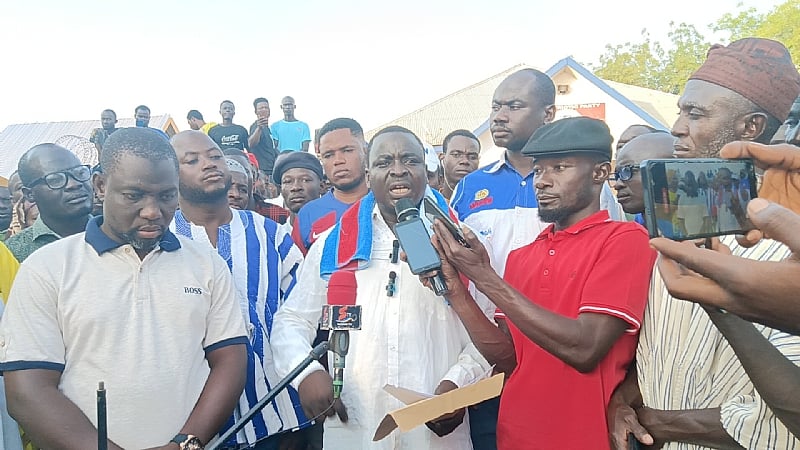
In conclusion, the NPP’s press conference painted a stark picture of election-related violence and intimidation orchestrated by the NDC in the Tolon Constituency. The party alleges a deliberate and coordinated effort by the NDC candidate and his supporters to disrupt the voting process, intimidate voters, and create chaos. They cite specific incidents, including alleged assaults, roadblocks, gunfire, and looting, to support their claims. The NPP has called for a thorough police investigation into these allegations and for those responsible to be held accountable. They emphasize the importance of upholding the rule of law and ensuring that such acts of violence are not tolerated in Ghana’s democratic process.