





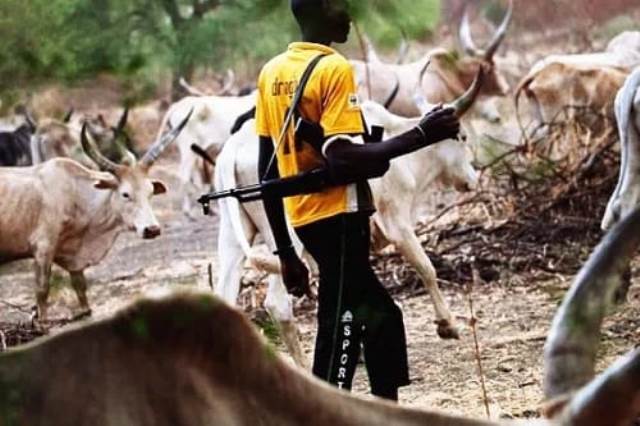
On Saturday, the non-governmental organization Search for Common Ground (SFCG) convened a significant meeting in Yola, aiming to foster dialogue between farmers and herders from Adamawa and Taraba states. The project manager, Gambo Wada, emphasized the need for collaborative efforts between the two groups to confront the persistent crises rooted in competition over natural resources. Wada highlighted the importance of formulating policies derived from the experiences and insights of those directly impacted, arguing that such documents would be more effective than any external proposals. SFCG’s initiative reflects an understanding of the nuances of local conflicts and the necessity for grassroots involvement in mediating peace and development.
Professor Augustine Ndaghu, an agricultural extension specialist and member of the Adamawa State farmer’s forum, praised SFCG for its commitment to promoting peace in the region. Ndaghu acknowledged the complexities introduced by climate change, which exacerbates tensions between farmers and herders. He pointed out that while human and livestock populations continue to grow, land remains static, leading to inevitable conflicts as farmers seek to enlarge their fields and herders search for grazing areas. He advocated for innovative alternatives to open grazing to alleviate pressure on land resources, urging the exploration of new methods for grazing that do not lead to clashes over territory.
In the discussions, Professor John Ajai from Taraba State University contributed by stressing the distinctions between indigenous herders and foreign herders. He noted that local herders historically maintain better relationships with farmers, built on mutual understanding and cooperation. However, Ajai lamented that the influx of foreign herders, often armed and aggressive, poses a serious threat to agricultural lands and peace. He urged both farmers and herders to scrutinize the activities of these foreign elements, suggesting that their presence significantly escalates the tensions seen in recent times within the farming-herding dynamics of Nigeria.
Adding to the discourse, Usman Michika, Chairman of the Association of Nigerian Farmers in Adamawa, provided insight into the government’s challenges regarding grazing reserves. He highlighted that a major issue arose from the failure to engage local communities in the planning and establishment of these reserves. Michika argued that top-down approaches without the involvement of community stakeholders wouldn’t yield lasting solutions. This involvement is crucial for fostering ownership of the resources as well as ensuring that the needs and rights of local populations are respected.
The interaction during the meeting underscored a collective acknowledgment that without sustainable management of their interactions and resources, the cycle of conflict would remain unbroken. There was consensus among participants on the urgent need for comprehensive strategies that incorporate local perspectives and collaborative efforts. Such strategies would not only seek to mitigate immediate tensions but also address the deeper issues linked to land use, livestock management, and the socio-economic realities of both farmers and herders.
Moving forward, the collaborative dialogue initiated by SFCG stands as a crucial step toward achieving sustainable peace in the region. As various stakeholders engage in brainstorming sessions to craft strategic solutions, it is vital for the government to heed their recommendations and actively participate in the development of policies derived from local insights. The successful resolution of this long-standing conflict will ultimately depend on the commitment of all parties involved to foster empathy, understanding, and cooperation, ensuring that both farmers and herders can coexist harmoniously while addressing their pressing challenges.








