









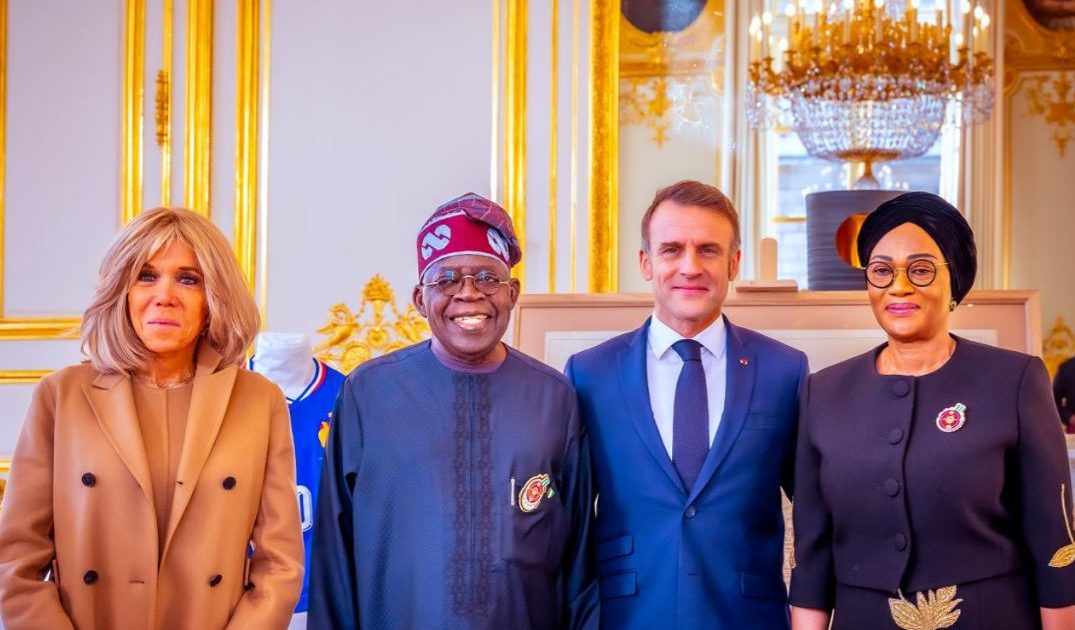
On a significant day in Paris, Nigeria’s President Bola Tinubu and France’s President Emmanuel Macron solidified a partnership aimed at enhancing critical infrastructure and promoting long-term agricultural and food security through the signing of two pivotal agreements at an economic forum held at the Palais des Élysée. This event drew the attention of various stakeholders, including business leaders, industry executives, state governors, and high-ranking officials from both countries. The agreements were part of President Tinubu’s broader state visit, which reflects a growing commitment to enhance bilateral relations. Among the concrete outcomes of the forum was the expansion of financial services into France, with the United Bank for Africa (UBA) and Zenith Bank launching operations, marking a notable step in business collaboration between Nigeria and France.
The cooperation between Nigeria and France is further encapsulated by the signing of a Letter of Intent between Nigeria’s Minister of Finance, Mr. Wale Edun, and French Minister of Economy, Finance, and Industry, Mr. Antoine Armand. This document reaffirms both nations’ commitments to invest in critical sectors vital for Nigeria’s growth, such as healthcare, transportation, renewable energy, agriculture, and human capital development. The financial and technical assistance package amounts to over €300 million, indicating a strong commitment from France while ensuring that these investments are equitably distributed across all geopolitical zones in Nigeria. Such investments are expected to create a ripple effect, facilitating job creation and overall economic revitalization.
Moreover, the synergy between Nigeria and France was enhanced through an additional agreement signed by Mr. Edun and Mr. Rémi Rioux, the Chief Executive Officer of the French Development Agency (AFD). This agreement focuses on supporting Nigeria’s Renewed Hope Agenda reforms, which are designed to stimulate economic growth across the nation. The AFD has pledged its ongoing support by championing sustainable projects that cover a wide range of sectors, from urban infrastructure and transportation networks to housing, education in STEM fields, and healthcare. This alignment of interests underscores the shared desire of both nations to facilitate progressive developments and ensure that projects are effectively implemented to meet the mutual goals set forth in their agreements.
Furthermore, the commitment from AFD extends into the agricultural sector with the financing of agro-logistic hubs aimed at supporting energy access and sustainable agriculture. This initiative is particularly important in a country like Nigeria, where agriculture is a critical component of the economy and livelihoods for many citizens. By fostering the development of logistics that enhance agricultural production, the initiative aims to support micro, small, and medium-sized enterprises (MSMEs) in high-impact sectors, thereby strengthening Nigeria’s economic framework and enhancing food security.
During a joint press conference held with President Macron, President Tinubu reaffirmed Nigeria’s intention to bolster cooperation across a diverse range of sectors, including food security, energy, solid minerals, education, and defense. This commitment serves not only as a strategic move to address the immediate economic challenges faced by Nigeria but also highlights the broader vision for sustainable development that both leaders envision for their countries. The collaboration signifies a pivotal moment in the relation between Nigeria and France, which is characterized by a mutual desire for shared prosperity and growth.
Overall, these agreements represent a significant milestone during President Tinubu’s three-day state visit to France, embodying the cooperative spirit and strategic partnership that both nations seek to foster. By focusing on critical infrastructure and agricultural sustainability, Nigeria and France are setting a foundation for long-term collaboration that aims to drive economic growth and development in both countries. This partnership, marked by financial commitments and mutual strategic interests, underscores the importance of international collaboration in addressing global challenges and promoting economic resilience in a rapidly evolving world.









