The 2025 Africa Cup of Nations (AFCON) group stage draw, held in Rabat, has set the stage for a thrilling tournament. Hosts Morocco, boasting home advantage and star players like Achraf Hakimi, will kick off the tournament against Comoros. Their path to potential glory mirrors the journeys of previous successful AFCON hosts, Tunisia (2004), Egypt (2006), and Ivory Coast (2024), all of whom faced challenging finals on home soil. Morocco will aim to become the fourth nation this century to lift the trophy while hosting the prestigious competition. This edition, significantly, marks the first time the AFCON will span two years, a decision made to avoid a clash with the revamped FIFA Club World Cup in the United States.
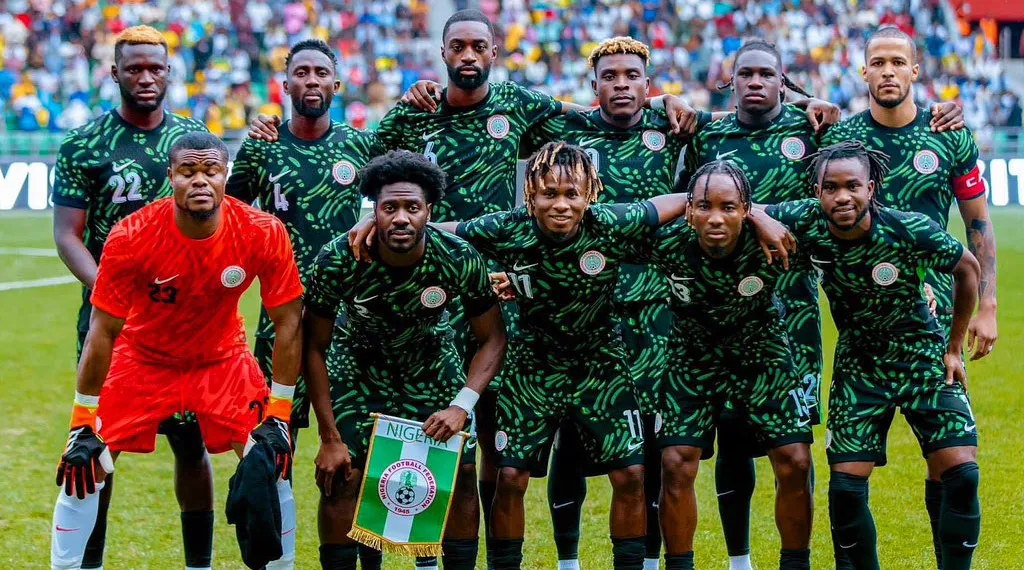
The draw has produced some captivating group stage encounters. Group B sees a clash of titans as record seven-time champions Egypt, led by Liverpool star Mohamed Salah, face South Africa. Salah, despite his impressive club career, is yet to taste AFCON victory, with runner-up finishes in 2017 and 2022. Joining them in the group are Angola and Zimbabwe, creating a distinctly Southern African flavour. Group C features a Nigerian side bursting with attacking talent, including Ademola Lookman and Victor Osimhen, who will contend with Tunisia, making a record 17th consecutive AFCON appearance, as well as Uganda and Tanzania.
Defending champions Ivory Coast, fresh off their 2024 triumph, find themselves in Group F alongside five-time winners Cameroon, Gabon, and Mozambique. Amad Diallo, the Manchester United youngster, is expected to play a key role for the Ivorians. Elsewhere, Group A pits hosts Morocco against Mali, Zambia, and Comoros. Group D promises fireworks with a West African derby between Senegal and the Democratic Republic of Congo, joined by Benin and Botswana. Finally, Group E sees Algeria contend with Burkina Faso, Equatorial Guinea, and Sudan, a nation grappling with internal conflict.
The tournament’s scheduling is noteworthy. The group stage will unfold from December 21st to 31st, 2025, excluding Christmas Day. The knockout stages will commence in January 2026, culminating in the final on January 18th. Matches will be spread across six venues: Rabat (four stadiums), Casablanca, Agadir, Marrakesh, Fes, and Tangier. This widespread distribution aims to maximize accessibility for fans across Morocco. The two-year span is a unique aspect of this AFCON, a decision necessitated by the rescheduling of the FIFA Club World Cup.
CAF president Patrick Motsepe has expressed confidence in this edition being the most successful AFCON yet, building on the high standards set by Ivory Coast’s hosting in 2024. He emphasized the abundance of talent within African football, assuring that all the continent’s top players will grace the tournament despite the date change. This confidence is further bolstered by Morocco’s preparations for the 2030 World Cup, which they will co-host with Spain and Portugal. Hosting the AFCON is seen as a crucial step in their readiness for the global stage.
The 2025 AFCON promises to be a spectacle of African football. The draw has created a balanced mix of established powers and emerging nations, ensuring competitive matches across all groups. With star players like Salah, Lookman, Osimhen, and Hakimi on display, fans can anticipate thrilling displays of skill and athleticism. The tournament’s historical context, with Morocco aiming to emulate past successful hosts, adds another layer of intrigue. The backdrop of Morocco’s World Cup preparations further elevates the significance of this AFCON, positioning it as a key milestone in the nation’s footballing journey. The stage is set for a memorable tournament that will showcase the best of African football.
The selection of Morocco as the host nation carries additional weight. It underscores the country’s growing prominence in the global football landscape, further cemented by their role in the 2030 World Cup. Successfully hosting the AFCON will serve as a strong testament to their organizational capabilities and infrastructure. Moreover, the tournament’s economic impact on Morocco is expected to be significant, boosting tourism and local businesses. The diverse range of host cities, from the coastal Agadir to the inland Fes, offers a chance to showcase the country’s rich cultural heritage to a global audience.
Looking beyond the sporting spectacle, the 2025 AFCON also holds symbolic importance for Africa. It’s a celebration of the continent’s passion for football, a unifying force that transcends national boundaries. The tournament provides a platform for African nations to compete at the highest level, fostering a sense of pride and camaraderie. The presence of nations like Sudan, despite facing internal challenges, highlights the power of sport to bring people together. The AFCON serves as a reminder of the continent’s resilience and its unwavering spirit.
In conclusion, the 2025 AFCON in Morocco promises to be a landmark event. The draw has set the stage for exciting matches, featuring some of the world’s best footballers. The tournament’s unique two-year span, necessitated by global scheduling adjustments, adds a distinct flavour. Morocco’s role as host, coupled with their preparations for the 2030 World Cup, adds further significance. Beyond the sporting arena, the AFCON represents a celebration of African unity and resilience, showcasing the continent’s passion for football to a global audience. All eyes will be on Morocco as they aim to deliver a memorable and successful tournament.