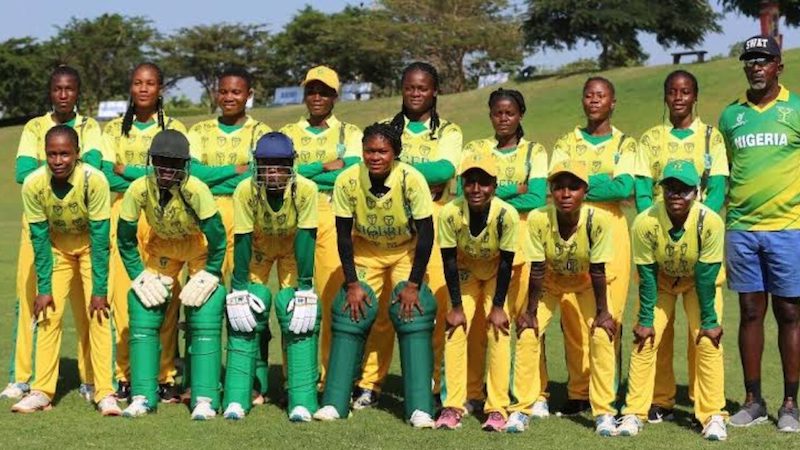
The second edition of the International Cricket Council Women’s U-19 Cricket World Cup is set to showcase the burgeoning talent of young female cricketers from around the globe. Scheduled for January 18 to February 2, the tournament will feature 16 teams vying for the coveted championship title, currently held by India. This year’s edition is particularly notable for the inclusion of four debutant nations: Nigeria, Malaysia (the host nation), Nepal, and Samoa, adding a new layer of excitement and competition to the already thrilling prospect of international youth cricket. These new entrants underscore the growing global reach of women’s cricket and the increasing opportunities for young women to participate in the sport at a high level. Nigeria’s qualification, as the sole representative from Africa, is a testament to the developing cricket infrastructure and talent within the continent, while Samoa’s entry marks a significant step for the East Asia-Pacific region.
The tournament follows a structured format designed to maximize both gameplay and competition. The 16 participating teams are divided into four groups of four, engaging in a round-robin format within their respective groups. This initial stage serves as a critical filter, determining which teams progress to the more intensive Super 6 stage. The top three teams from each group advance, totaling 12 teams, while the bottom team from each group competes in a separate playoff to determine the final rankings from 13th to 16th. This ensures that every team has meaningful matches to play, regardless of their initial group performance. The distribution of matches across various venues in Malaysia – Bayuemas Oval, Johor Cricket Academy Oval, UKM-YSD Cricket Oval, and Borneo Cricket Ground – allows for a wider audience engagement and promotes the sport across different regions of the host country.
The Super 6 stage further intensifies the competition. The 12 qualifying teams are divided into two groups of six, where they face off against teams they haven’t played in the group stage. The results from these matches are added to their group stage standings, creating a cumulative score that determines the final positions within the Super 6 groups. This format not only tests the teams’ consistency across multiple matches but also provides opportunities for them to improve their standing even after a less-than-ideal group stage performance. The top two teams from each Super 6 group then earn their places in the semi-finals, a crucial stepping stone towards the ultimate goal of the championship title. The semi-finals are slated for January 31st, culminating in the final match two days later on February 2nd.
Nigeria’s journey to the World Cup underscores the team’s dedication and the growth of women’s cricket within the nation. Drawn into Group C alongside formidable opponents South Africa, New Zealand, and Samoa, the Nigerian team, led by Sarah Bakhita, faces a challenging but exciting prospect. Their preparations have been rigorous, including a second phase of training in Lagos followed by a crucial 10-day camp in India, designed to acclimatize the players to similar conditions they will face during the tournament. This meticulous preparation reflects the team’s ambition and their determination to make a strong impression on their debut at the world stage. They are not just participating; they are aiming to compete and leave their mark on the tournament.
Among the participating nations, several stand out as strong contenders for the title. India, as the reigning champions, naturally enters the tournament as a favorite. Their previous success, combined with the established cricket culture within the country, positions them as a team to watch. Similarly, England, Australia, and New Zealand, who secured the top four positions in the 2023 edition, are expected to mount strong challenges. Their experience at this level of competition and their consistent performances in international cricket make them formidable opponents for any team. The presence of these established cricketing nations creates a vibrant and competitive environment, promising high-quality matches and thrilling displays of skill.
While the established powers are expected to perform well, the tournament also provides a platform for emerging nations to showcase their talent and make upsets. The unpredictable nature of T20 cricket adds a layer of excitement, with any team capable of causing an upset on a given day. The debutant nations, in particular, will be eager to prove themselves and demonstrate the growing strength of cricket in their respective regions. Nigeria, Malaysia, Nepal, and Samoa will be looking to gain valuable experience, learn from the top teams, and potentially spring some surprises. This mix of established powerhouses and ambitious newcomers sets the stage for a compelling tournament, full of exciting matches and potential for dramatic shifts in the cricketing landscape.