





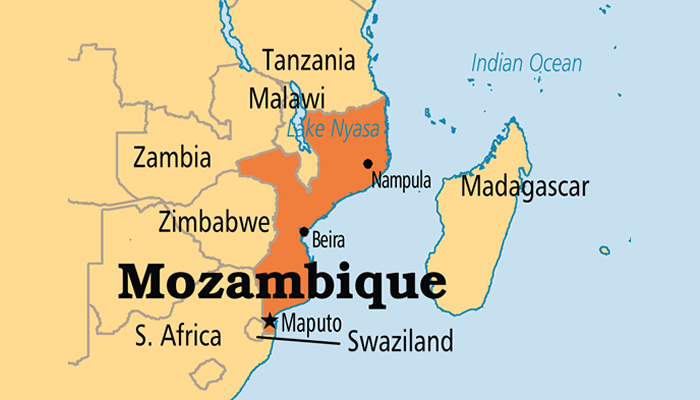
The recent Mozambican general elections, held on October 9, 2023, have sparked a wave of political unrest and violence, raising concerns about the safety and well-being of Nigerian citizens residing in the country. Akinola Olunloyo, a Nigerian businessman who has lived in Mozambique’s capital, Maputo, for over 13 years, has issued a desperate plea to the Nigerian government, urging President Bola Tinubu to intervene and leverage his influence within the African Union to restore peace and stability in the Southern African nation. Olunloyo paints a grim picture of the situation, describing targeted attacks on foreign nationals, including Nigerians, destruction of businesses, and a pervasive atmosphere of fear and uncertainty. He attributes the unrest to the actions of the opposition party, Podemos, and its presidential candidate, Venâncio Mondlane, accusing them of inciting violence and destabilizing the country.
The long-reigning Frelimo party, in power since Mozambique gained independence from Portugal in 1975, has once again secured victory in the elections. However, the opposition’s rejection of the results has fueled the escalating tensions. Olunloyo asserts that the attacks on foreigners stem from a belief that they disproportionately benefit from the government’s policies, making them targets of resentment and violence. He emphasizes the precarious situation faced by many Nigerians stranded in Mozambique, with limited escape options and growing fears for their safety. His appeal highlights the urgent need for intervention to protect Nigerian lives and interests amidst the escalating crisis.
Olunloyo’s call for action outlines a series of steps that the Nigerian government should take to address the crisis. He urges President Tinubu to prioritize the evacuation of Nigerian citizens from Mozambique to ensure their immediate safety. This would involve coordinating logistical efforts to transport Nigerians out of the conflict zones and providing them with necessary support upon their return. Furthermore, he advocates for diplomatic engagement with the Mozambican government, urging President Tinubu to exert pressure on Mozambican authorities to safeguard the lives and properties of Nigerians residing within their borders. This diplomatic effort should include demanding accountability for the attacks on foreign nationals and pressing for a swift de-escalation of the violence.
Beyond bilateral engagement, Olunloyo stresses the importance of multilateral intervention. He calls on regional bodies, particularly the Southern African Development Community (SADC), and the African Union to play a more active role in resolving the Mozambican crisis. He specifically urges these organizations to hold Podemos and its candidate, Venâncio Mondlane, accountable for their alleged role in inciting violence and destabilizing the country. He argues that such accountability is crucial to deter further acts of violence and to promote a peaceful resolution to the political impasse. This multilateral approach, he believes, would send a strong message that inciting violence and undermining democratic processes will not be tolerated within the African continent.
The situation in Mozambique presents a complex challenge for the Nigerian government, requiring a multifaceted response that addresses both the immediate safety concerns of Nigerian citizens and the underlying political tensions fueling the violence. The potential for the crisis to escalate further underscores the urgency of intervention. Failure to act decisively could have dire consequences for Nigerians in Mozambique and potentially destabilize the broader region. President Tinubu’s leadership within the African Union provides a crucial opportunity to mobilize regional and continental efforts to address the crisis and restore peace and stability in Mozambique.
The political crisis in Mozambique serves as a stark reminder of the fragility of peace and stability in many parts of Africa, and the vulnerability of foreign nationals caught in the crossfire of political conflicts. The international community, particularly regional and continental bodies, must work together to address the root causes of these conflicts, promote peaceful resolutions, and ensure the protection of all individuals, regardless of their nationality. The situation in Mozambique demands immediate attention and decisive action to prevent further loss of life and to safeguard the future of the country. The Nigerian government, in particular, has a responsibility to protect its citizens abroad and to contribute to regional stability. The plea of Akinola Olunloyo echoes the anxieties of many Nigerians and underscores the urgent need for a comprehensive and effective response to the crisis unfolding in Mozambique.








