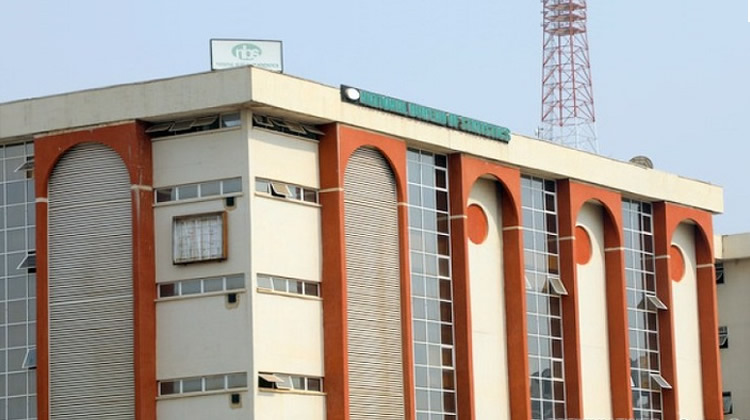
The third quarter of 2024 witnessed an unprecedented surge in Nigeria’s imports from Malta, reaching a staggering N766.81 billion. This dramatic increase propelled Malta to become Nigeria’s fifth-largest import partner during that period, accounting for 5.23% of the nation’s total imports, which were valued at N14.67 trillion. Intriguingly, this surge followed accusations by Aliko Dangote, Chairman of Dangote Industries Limited, against the Nigerian National Petroleum Company Limited (NNPCL) regarding a blending facility in Malta allegedly detrimental to Nigeria’s oil production capacity. While the NBS report doesn’t specify the imported goods, the timing and magnitude of the increase have raised questions and fueled speculation about a possible connection between the imports and the alleged Maltese blending facility. This dramatic rise is particularly noteworthy considering the absence of any recorded imports from Malta in the first two quarters of 2024.
The N766.81 billion import figure for Q3 2024 stands as the highest ever recorded from Malta. To put this in perspective, this single quarter’s imports represent 74.1% of the total imports from Malta throughout the entire three quarters of 2023, which totaled N1.03 trillion. This substantial increase may be partially attributed to the devaluation of the naira, which inflates the value of imports when expressed in local currency. However, the sheer scale of the increase suggests that currency devaluation alone doesn’t fully explain the phenomenon and raises further questions about the nature of these imports.
The trade relationship between Nigeria and Malta experienced significant fluctuations in 2023. Starting from zero imports in the first quarter, there was a sudden jump to N181.55 billion in the second quarter, representing 3.17% of Nigeria’s total imports for that period. This upward trend continued into the third quarter, with imports skyrocketing to N561.37 billion, a remarkable 209.20% increase from the previous quarter. However, the final quarter of 2023 saw a significant correction, with imports dropping by 48.01% to N291.98 billion. This volatility in the trade relationship adds further intrigue to the record-breaking figures observed in Q3 2024.
The context of this import surge is crucial. Malta, a small island nation in the Mediterranean, is not traditionally a major player in global oil markets or a significant trading partner for Nigeria. This unusual circumstance, coupled with Dangote’s allegations, has fueled speculation about the true nature of the goods being imported. Dangote’s claim that a blending plant in Malta is producing finished motor gasoline, allegedly undermining Nigeria’s oil industry, adds a layer of controversy to the already perplexing situation.
Dangote’s accusations centered around the alleged Maltese blending facility producing finished motor gasoline, a product Nigeria also produces. He argued that this activity undermined Nigeria’s domestic refining capacity and negatively impacted the country’s oil industry. The timing of these allegations, coinciding with the dramatic rise in imports from Malta, inevitably raises questions about a potential link between the two. The lack of transparency regarding the specific goods imported from Malta further contributes to the speculation and calls for greater clarity from the relevant authorities.
In response to Dangote’s allegations, Mele Kyari, Group CEO of NNPCL, denied any involvement with the Maltese blending facility. Kyari clarified that NNPCL had no operational ties to the plant and that the only connection was a minor, local agricultural venture. This denial, however, did not entirely quell the controversy, as the unprecedented surge in imports from Malta remained unexplained. The lack of specific details regarding the imported goods continues to fuel conjecture and underscores the need for greater transparency in trade data reporting to address public concerns and provide a clearer picture of the evolving trade dynamics between Nigeria and Malta.