Nigeria’s resurgent oil production, driven by improved security and increased investment, presents a complex dilemma for the nation. After years of struggling to meet its OPEC+ quota due to rampant oil theft and pipeline vandalism, Nigeria’s output has rebounded significantly, reaching 1.48 million barrels per day in the previous month. This resurgence is a stark contrast to the lows of 1.1 million barrels per day experienced in 2022 when oil majors were divesting assets and pipelines were crippled by criminal activities. The government’s ambitious target of 2 million barrels per day, while viewed with cautious optimism by analysts, signals a potential clash with OPEC’s production limits. This ambition is fueled by the dire need for increased revenue to address strained public finances. However, exceeding the OPEC+ quota could jeopardize the delicate balance of global oil prices, currently hovering above $70 a barrel, maintained in part by these production restrictions. Nigeria’s balancing act between economic necessity and international obligations sets the stage for a potential showdown with OPEC.
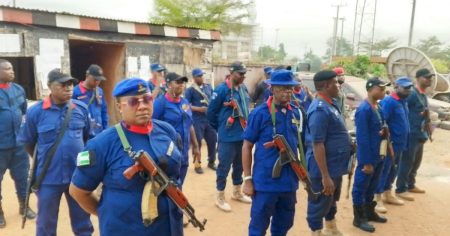
The remarkable turnaround in Nigeria’s oil production can be attributed largely to the government’s concerted efforts to address the persistent security challenges plaguing the Niger Delta region. These initiatives, implemented over several years, have targeted the extensive network of pipelines that crisscross the Delta, which had become prime targets for oil theft and vandalism. In 2022, the situation had deteriorated to a critical point, with the Trans-Niger Pipeline, a major artery capable of transporting 180,000 barrels per day, riddled with over 150 illegal tapping points. This rampant theft drastically reduced the volume of oil reaching its intended destination, severely impacting production figures. The improved security situation has not only stemmed the losses but also fostered a more stable environment for investment, further boosting production capacity.
While security improvements have been pivotal, the resurgence also owes its success to significant investments made by operators in the oil sector. These investments have bolstered production capabilities, allowing Nigeria to capitalize on the improved security environment and ramp up its output. The combined effect of enhanced security and investment has created a positive feedback loop, with increased production generating more revenue, which can then be reinvested in further security measures and infrastructure development. This virtuous cycle has placed Nigeria on a path towards potentially exceeding its OPEC+ quota and becoming a major player in the global oil market once again.
However, the sustainability of this recovery remains a key concern. Experts caution that while the recent gains are encouraging, the long-term success hinges on the government’s ability to maintain the improved security situation. The Niger Delta’s vast and complex pipeline network presents an ongoing challenge, and the threat of renewed vandalism looms large. Analysts emphasize that sustained security measures are crucial for ensuring consistent production levels and achieving the ambitious targets set by the government. Only then can Nigeria confidently negotiate a higher OPEC+ quota, reflecting its increased production capacity.
The government’s approach to this delicate situation is strategic and measured. Rather than immediately seeking an increased quota, the focus remains on maximizing production to meet budgetary requirements. The Nigerian Upstream Petroleum Regulatory Commission has emphasized the priority of achieving production targets before engaging with OPEC for a quota review. This pragmatic approach acknowledges the need to demonstrate sustained production capacity before making a case for a higher allocation. Experts agree that demonstrating consistent output will strengthen Nigeria’s position in negotiations with OPEC, increasing the likelihood of securing a more favorable quota that reflects the country’s enhanced production capabilities.
The potential clash with OPEC+ presents a complex challenge for Nigeria. While the country recognizes the importance of adhering to the organization’s production limits, the pressing need for increased revenue to address its fiscal challenges creates a strong incentive to exceed the quota. This dilemma is further complicated by the precedent set by other OPEC+ members, such as Iraq and Kazakhstan, who have also exceeded their quotas, highlighting the tension between individual member states’ economic interests and the collective goal of maintaining stable global oil prices. The situation is further nuanced by Angola’s recent exit from OPEC+ after rejecting tighter output restrictions, contrasted by the UAE’s successful negotiation for a more generous quota. Nigeria’s path forward will likely involve a delicate balancing act, attempting to maximize production while simultaneously engaging in diplomatic efforts to secure a higher quota that reflects its renewed production capacity. The success of this strategy will depend on the government’s ability to demonstrate sustained production growth and effectively negotiate with OPEC+, navigating the complex dynamics of global oil politics.