









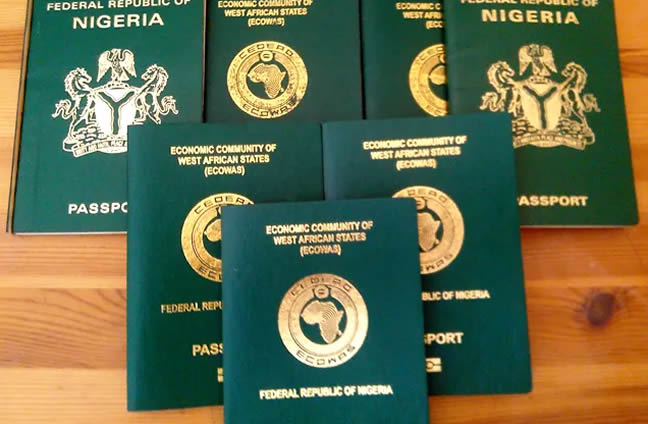
The Nigerian passport has experienced a significant decline in global ranking over the past two decades, falling 32 places from its position in 2006. While the passport has gained access to 11 more destinations, bringing the total to 46 countries offering visa-free or visa-on-arrival entry, its overall standing has dropped to 94th place in the Henley Passport Index. This decline reflects a broader trend of weakening passport strength among the 199 countries surveyed. Despite efforts to improve border security and diplomatic relations, the Nigerian passport’s limited access to over 181 travel destinations highlights the challenges it faces. While there has been a slight improvement in ranking from 103rd in 2021 to 94th in 2025, the overall downward trajectory remains a concern. This restricted mobility underscores the need for Nigeria to address internal issues that impact its global perception.
The Henley Passport Index, which ranks passports based on the number of destinations accessible without a prior visa, reveals that only 25 countries offer visa-free travel to Nigerian passport holders. Including countries with visa-on-arrival or e-visa options increases this number to 46. These destinations span Africa, Asia, the Caribbean, and Oceania, encompassing a mix of developing and developed nations. However, the vast majority of countries still require Nigerians to obtain visas before travel, posing significant hurdles for tourism, business, and personal travel. This limited mobility not only affects individual Nigerians but also reflects on the country’s international standing and its ability to engage effectively in global affairs.
The Henley Passport Index attributes changes in passport rankings to various factors, including a country’s diplomatic relations, visa processes, and border security. While Nigeria has invested in border surveillance systems, reports suggest persistent challenges with illegal migration, raising concerns about the effectiveness of these measures. The influx of undocumented individuals, including potential security threats, may contribute to the perception of Nigeria as a high-risk country, influencing other nations’ visa policies. This underscores the need for more robust border control and security measures to address these concerns and potentially improve the country’s passport ranking.
Experts offer differing perspectives on the reasons behind the Nigerian passport’s decline. Some argue that internal challenges, such as lack of opportunities and widespread emigration desires, contribute to negative perceptions of Nigeria among other nations. This perception, in turn, influences visa policies and contributes to the passport’s weakened status. They suggest that addressing internal issues and creating a more positive image of Nigeria internationally is crucial for improving passport access. Others, particularly former officials of the Nigerian Immigration Service, contend that the ranking primarily reflects bilateral agreements and regional blocs rather than the inherent strength of the passport itself. They emphasize the importance of adhering to international passport standards and technological advancements, suggesting that these factors, rather than internal challenges, are more relevant to improving global passport acceptance.
The contrasting viewpoints highlight the complex interplay of internal and external factors influencing passport strength. While adherence to international standards is undoubtedly important, internal issues such as economic instability and security concerns can significantly impact how other countries perceive and interact with Nigeria. Addressing these internal challenges may be a prerequisite for strengthening diplomatic ties and negotiating more favorable visa agreements, ultimately improving the Nigerian passport’s global standing.
The situation underscores the need for a multi-pronged approach to improve the Nigerian passport’s ranking. Strengthening border security, addressing internal challenges that contribute to negative perceptions, and actively engaging in diplomatic efforts to secure more visa-free access are all crucial steps. This requires a concerted effort from various government agencies and a commitment to improving Nigeria’s image and standing on the world stage. The long-term goal should be to create a more stable and prosperous nation that fosters positive international relations, ultimately leading to greater mobility and opportunities for its citizens.









