





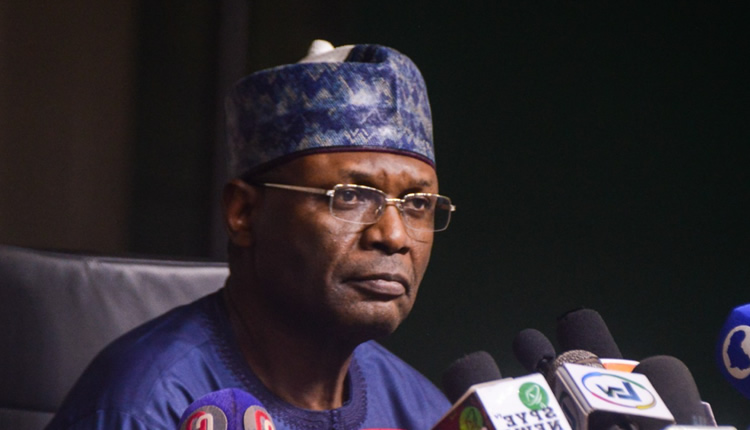
The aftermath of Nigeria’s 2023 presidential election continues to reverberate through the country’s political landscape, with the Independent National Electoral Commission (INEC) Chairman, Professor Mahmood Yakubu, finding himself at the center of a storm of criticism. Yakubu’s recent commendation of Ghana’s peaceful and transparent presidential election, where the opposition candidate unseated the ruling party’s nominee, sparked outrage from Nigeria’s opposition parties, who accuse him of orchestrating a flawed election in their own country. The Labour Party (LP) and the Peoples Democratic Party (PDP) have vehemently denounced Yakubu’s remarks, demanding an apology for his alleged role in manipulating the 2023 polls in favor of President Bola Tinubu of the All Progressives Congress (APC).
The LP, whose candidate Peter Obi came third in the election, contends that Yakubu’s praise of Ghana’s electoral process is a slap in the face to Nigerians who witnessed what they perceive as significant irregularities during their own election. The party’s spokesperson, Obiora Ifoh, argued that instead of offering advice to other nations, Yakubu should be the one seeking lessons from Ghana, a country that, according to Ifoh, conducted a free, fair, and credible election devoid of violence and manipulation. The LP emphasizes the stark contrast between Ghana’s smooth electoral process and the alleged issues that plagued Nigeria’s election, including voter suppression, intimidation, and irregularities in the collation and announcement of results.
The PDP echoes the LP’s sentiments, with its Deputy National Youth Leader, Timothy Osadolor, describing Yakubu’s presence at the Ghanaian election as an “aberration.” Osadolor questioned Yakubu’s moral authority to comment on electoral matters, given the controversy surrounding the Nigerian election. He demanded that Yakubu not only apologize to Nigerians but also resign from his position as INEC Chairman, emphasizing the need for accountability and integrity in electoral processes. The PDP contends that Yakubu’s actions have eroded public trust in INEC and undermined the credibility of Nigeria’s democratic institutions.
While both Obi and Atiku Abubakar, the PDP’s presidential candidate, challenged the election results in court, their petitions were ultimately dismissed. However, the opposition parties maintain that they were unfairly deprived of victory through electoral manipulation. They point to various incidents during the election, including the delayed uploading of results to the INEC server, allegations of vote rigging in certain states, and the disenfranchisement of voters, as evidence of a flawed process. Their persistent criticism of Yakubu underscores their deep dissatisfaction with the conduct and outcome of the election.
The opposition parties believe that Yakubu’s comments on the Ghanaian election demonstrate a lack of self-awareness and a disregard for the grievances of Nigerian citizens. They argue that by praising Ghana’s electoral process, Yakubu implicitly acknowledges the shortcomings of the Nigerian election, which they believe he oversaw poorly. They insist that he should take responsibility for the perceived flaws in the 2023 election and address the concerns raised by the opposition and civil society organizations.
The controversy surrounding Yakubu’s remarks highlights the ongoing tensions and divisions within Nigeria’s political landscape. The opposition’s calls for his resignation and apology underscore the deep distrust that exists between the ruling party and the opposition, particularly concerning the integrity of the electoral process. The debate over the 2023 election and its implications for Nigeria’s democracy is likely to continue, as opposition parties maintain their stance against what they perceive as an unfair and manipulated outcome. The future of Nigeria’s electoral system and the public’s faith in its impartiality hang in the balance as these contentious issues remain unresolved.








