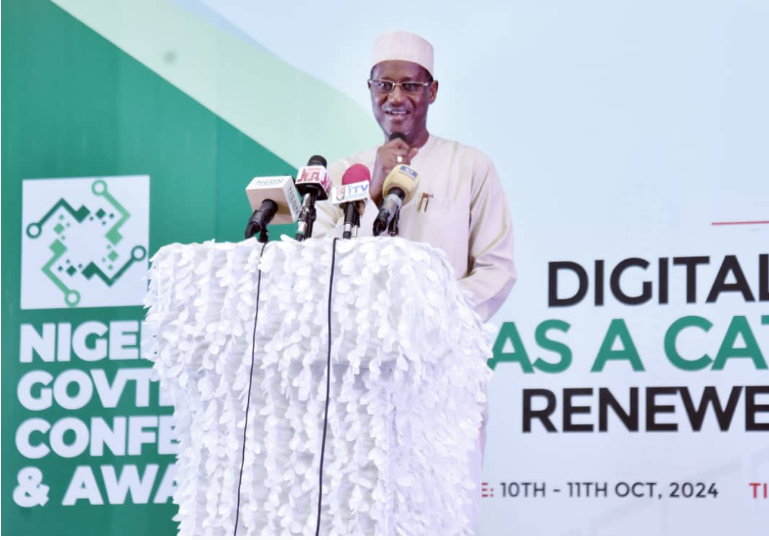
Nigeria’s housing sector presents a compelling investment opportunity for foreign investors, as emphasized by Housing and Urban Development Minister Ahmed Dangiwa at the Saudi Real Estate Forum. Dangiwa highlighted the significant growth potential of the Nigerian real estate market, driven by a substantial housing deficit and rapid urbanization. The sector’s contribution to Nigeria’s GDP stood at 5.2% in 2024, with projections indicating a surge to a market volume of $2.25 trillion by the end of 2025. This growth trajectory underscores the vast untapped potential within the residential real estate segment, offering a lucrative avenue for investors to partner with the government in addressing the urgent need for housing. The Renewed Hope Cities and Estates Programme, a government initiative, further reinforces this commitment to large-scale housing development and presents a structured framework for investor participation.
The scale of the housing deficit, estimated at 28 million units, necessitates a multifaceted approach. Dangiwa outlined the government’s strategic focus on public-private partnerships, innovative financing mechanisms, and targeted interventions to accelerate housing delivery. These strategies aim to leverage both domestic and international resources to effectively tackle the challenge. Recognizing land acquisition as a persistent bottleneck, the government is actively engaging with state governments to unlock land for affordable housing projects. This concerted effort to secure land availability underscores the government’s commitment to facilitating the development of affordable housing and streamlining the investment process for potential partners.
The theme of the Saudi Real Estate Forum, “Balance and Innovation in the Real Estate Landscape,” provided a fitting backdrop for Dangiwa’s call to action. He emphasized the crucial role of housing in driving economic growth, promoting social stability, and fostering national development. Achieving a balanced real estate sector, however, requires addressing fundamental challenges related to affordability, profitability, sustainability, and cost efficiency. These challenges necessitate a comprehensive approach that integrates policy adjustments, private sector incentives, and innovative construction technologies to ensure sustainable and cost-effective housing solutions.
Dangiwa’s appeal to foreign investors underscores the Nigerian government’s recognition of the vital role of foreign direct investment in bridging the housing gap. He presented Nigeria’s housing sector as a fertile ground for investment, offering both significant financial returns and the opportunity to contribute to a critical social need. By partnering with the Nigerian government, investors can participate in a transformative initiative that addresses the housing deficit while contributing to the nation’s economic and social development. This call for collaboration signifies the government’s proactive approach in seeking international partnerships to drive sustainable development.
The participation of high-profile figures like the Minister of Municipality of Qatar and the Minister of Construction, Housing, and Infrastructure of the Maldives at the Saudi Real Estate Forum further emphasizes the global significance of housing challenges and the need for cross-border collaboration in finding solutions. The exchange of insights and best practices among international stakeholders provides a valuable platform for learning and fosters a collective effort to address the global housing crisis. Dangiwa’s presence at the forum provided a strategic opportunity to showcase Nigeria’s investment potential and foster relationships with potential international partners.
In essence, Dangiwa’s message at the Saudi Real Estate Forum was a clear invitation to foreign investors to become active participants in Nigeria’s rapidly evolving housing sector. The significant housing deficit, coupled with the government’s commitment to facilitating development through strategic partnerships and innovative financing, creates a compelling investment proposition. By investing in Nigeria’s housing sector, foreign investors can not only capitalize on the market’s growth potential but also contribute to a socially impactful initiative that addresses a fundamental human need and fosters sustainable development. This collaborative approach is crucial for achieving the ambitious goals of the Renewed Hope Cities and Estates Programme and ensuring that adequate and affordable housing is accessible to all Nigerians.