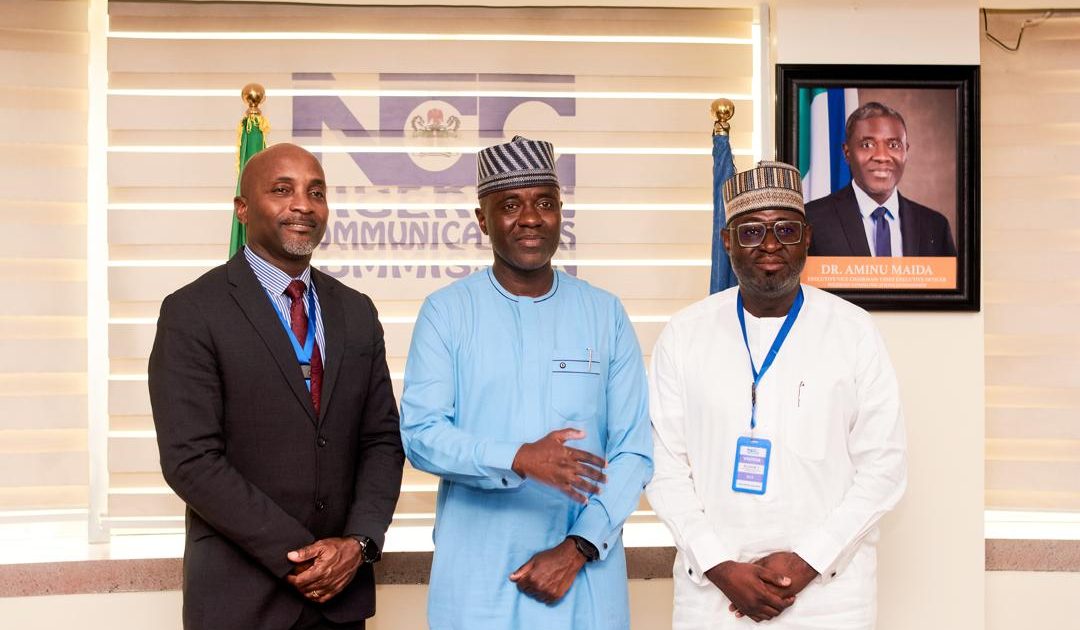
The recent high-level meeting between the West Africa Telecommunications Regulators Assembly (WATRA) and the Caribbean Telecommunications Union (CTU) in Abuja, Nigeria, marked a significant step towards strengthening regional cooperation in the telecommunications sector. The central theme of the meeting revolved around spectrum management, a critical aspect of ensuring efficient and reliable communication services. Nigeria’s innovative approach to spectrum management, including its pioneering efforts in spectrum trading and direct-to-device technology, was recognized as a potential model for other countries in both regions. This acknowledgement underscores the importance of sharing best practices and collaborating on policy frameworks to drive growth and innovation in the telecommunications industry across West Africa and the Caribbean. The meeting paved the way for a potential partnership that could reshape the future of spectrum management and other critical areas in the telecoms landscape of both regions.
Spectrum management, which involves the efficient allocation and regulation of radio frequencies for various communication services, including mobile data, television, and satellite communications, was the focal point of the discussions. Given the escalating global demand for telecom services, efficient spectrum management is paramount to prevent network congestion, maintain service quality, and foster technological advancement. Inefficient spectrum allocation can stifle innovation and limit the potential benefits of the digital economy. The meeting recognized the urgent need for harmonized spectrum allocation processes and the adoption of best practices to maximize the utilization of this finite resource. Nigeria’s successful implementation of spectrum trading, a mechanism that allows license holders to buy and sell spectrum rights, was highlighted as a valuable strategy to optimize spectrum usage and promote market efficiency.
Beyond spectrum management, the meeting addressed a broader range of challenges facing the telecommunications sector in both regions. These included roaming regulation, a crucial aspect of facilitating seamless communication across borders; broadband expansion, essential for bridging the digital divide and promoting economic development; satellite services, which play a vital role in extending connectivity to remote areas; and Internet governance, which encompasses the policies and mechanisms that shape the development and use of the internet. The participants emphasized the importance of regional collaboration in addressing these complex issues, recognizing that shared challenges require collective solutions. By pooling their resources and expertise, countries in both regions can leverage synergies and achieve greater impact than they could individually.
Nigeria’s pioneering efforts in direct-to-device technology, also known as device-to-device communication, further solidified its position as a leader in telecommunications innovation. This technology enables devices to communicate directly with each other without relying on a central network infrastructure, opening up new possibilities for various applications, including Internet of Things (IoT) deployments, emergency communications, and localized content sharing. By showcasing its success in this emerging field, Nigeria demonstrated its commitment to exploring cutting-edge technologies and leveraging them to drive economic growth and improve the lives of its citizens. The willingness of WATRA to share Nigeria’s spectrum roadmap and national frequency allocation table with CTU further cemented the commitment to regional collaboration and knowledge sharing.
The potential for a formal partnership between WATRA and CTU, possibly through a Memorandum of Understanding, emerged as a significant outcome of the meeting. Such a partnership would provide a structured framework for ongoing collaboration and facilitate the implementation of joint initiatives. The potential involvement of the Eastern Caribbean Telecommunications Authority (ECTA) adds another dimension to this partnership, expanding its reach and strengthening regional integration. By formalizing their collaboration, the organizations can ensure long-term commitment and create a sustainable platform for addressing the evolving challenges of the telecommunications landscape. This partnership represents a significant step towards harmonizing regulations, fostering innovation, and promoting the growth of the digital economy across West Africa and the Caribbean.
The meeting in Abuja served as a catalyst for enhanced cooperation between West African and Caribbean telecommunications regulators. The recognition of Nigeria’s spectrum management initiatives as a model for other countries signifies the importance of sharing best practices and adopting innovative approaches to address common challenges. The commitment to exploring a formal partnership between WATRA and CTU, with the potential involvement of ECTA, underscores the determination to build a stronger and more integrated regional telecommunications ecosystem. This collaborative approach promises to unlock new opportunities for growth, innovation, and improved services for citizens across both regions, ultimately contributing to their socio-economic development. The sharing of Nigeria’s spectrum roadmap and national frequency allocation table provides a concrete example of the tangible benefits that can arise from regional cooperation in the telecommunications sector.